Healthcare
Seasonal Allergies and Pollen in China: A Practical Guide for Foreign Residents
Manage seasonal allergy symptoms in China with pollen and air-quality tracking, exposure reduction, medication planning, medical records, and urgent warning signs.
Rules and procedures can change. Check the linked official sources before acting on time-sensitive information.
Quick answer
What you need to know
Track when and where symptoms occur, reduce exposure using reliable local information, and confirm diagnosis and treatment with a qualified clinician or pharmacist.
- Do not assume every symptom is pollen allergy; infections, pollution, indoor allergens, asthma, and other conditions can overlap.
- Record symptoms, location, weather, pollen or air-quality information, medicines, and response before a medical visit.
- Check active ingredients and interactions rather than relying on a familiar brand name from another country.
- Breathing difficulty, severe wheeze, faintness, or swelling of the tongue or throat needs urgent medical attention.
A new city can bring unfamiliar trees, grasses, weeds, weather, dust, and indoor exposures. Sneezing or itchy eyes may be seasonal allergy, but similar symptoms can have other causes. A symptom record and professional assessment are more reliable than guessing from the month alone.
This guide provides general health planning information and is not a diagnosis or treatment plan.
Track the pattern before drawing conclusions
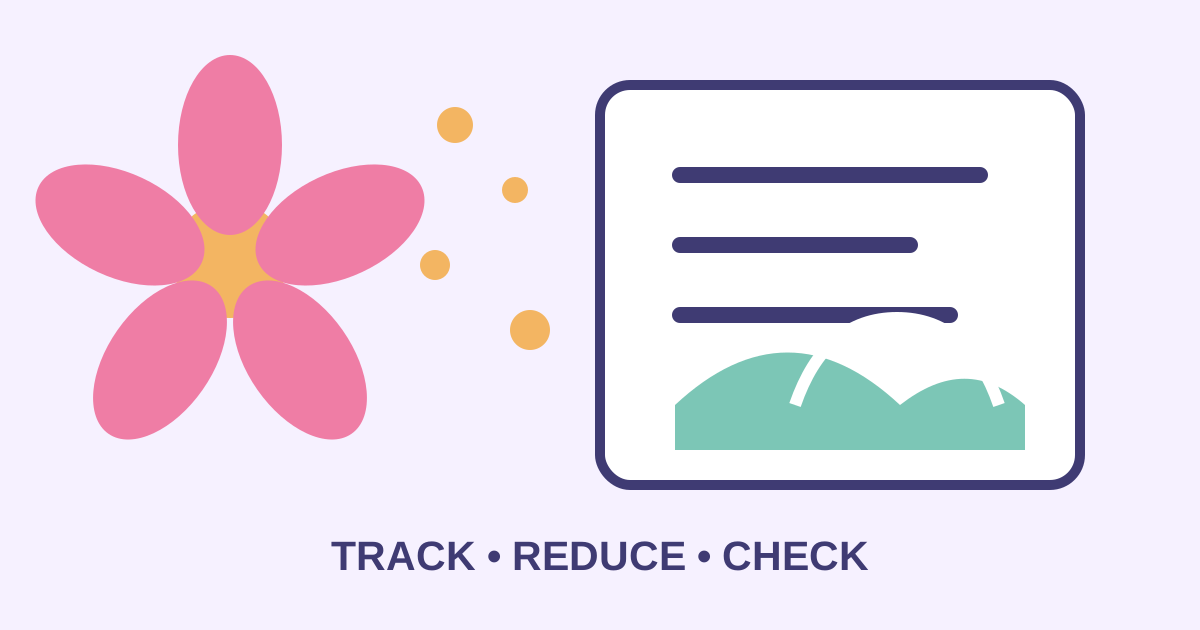
Record date, time, neighborhood, indoor or outdoor setting, weather, symptoms, severity, sleep, exercise, pets, cleaning, air-quality or pollen information, medicine, and response. Note fever, pain, colored discharge, cough, wheeze, rash, or food and medicine exposure.
Bring this diary, current medicines, known allergies, medical history, and prior test results to a clinician. The medical interpreter guide can help you prepare bilingual symptom and medicine terms.
Use local information carefully
Pollen patterns vary across China’s climates and change with weather and vegetation. Check reliable city meteorological or health information where available. Air-quality data and pollen data describe different exposures; one should not be used as a substitute for the other.
China’s National Meteorological Center provides official weather information. Local services may offer more specific environmental notices. Record the source and time because conditions can change during the day.
Reduce exposure without overcorrecting
When symptoms reliably worsen outdoors, consider adjusting high-exposure activities, closing windows at relevant times, changing outer clothing after returning, showering before bed, and cleaning surfaces with methods that do not stir up dust. A well-fitting mask may reduce inhaled particles for some activities, but comfort and effectiveness vary.
If using an air cleaner, choose one sized for the room, keep doors and windows consistent with its use, replace filters on schedule, and avoid devices or settings that intentionally generate ozone. The indoor air guide covers ventilation and indoor sources.
Check medicines by ingredient
Brand names and formulations differ across countries. Bring the generic active ingredient, strength, form, dosing history, allergies, other medicines, pregnancy or breastfeeding status, and relevant medical conditions to a qualified clinician or pharmacist. Avoid duplicating the same ingredient across cold and allergy products.
Some medicines can cause drowsiness or interact with alcohol, driving, work equipment, or other treatment. Nasal sprays, eye drops, tablets, and other options require correct selection and technique. Use the pharmacy guide to prepare questions; do not start, stop, or import treatment solely from this article.
Know when to escalate
Arrange medical review if symptoms are persistent, severe, disturb sleep or work, affect the eyes significantly, or include cough or wheeze. Ask whether testing, asthma assessment, or a written action plan is appropriate.
For breathing difficulty, severe or rapidly worsening wheeze, faintness, confusion, blue lips, or swelling of the tongue or throat, seek urgent medical help. In China, the medical emergency number is generally 120; the ambulance guide explains preparation.
Allergy-season checklist
- Symptom, location, weather, exposure, and medicine diary started.
- Local weather, pollen where available, and air quality distinguished.
- Bedroom, clothing, windows, cleaning, and filter routine reviewed.
- Generic medicine names, doses, interactions, and expiry checked.
- Clinician or pharmacist questions prepared in Chinese and English.
- Work, school, exercise, travel, and driving effects considered.
- Emergency symptoms and the local care route known.
- Follow-up scheduled if symptoms persist or treatment is ineffective.
For a child, pregnancy, asthma, another chronic condition, or a history of severe allergic reaction, obtain individualized advice from a qualified clinician rather than relying on a general seasonal routine.
Frequently asked questions
Common questions
When is pollen season in China?
Timing varies greatly by city, climate, vegetation, and year. Use reliable local forecasts and your symptom diary rather than a single national calendar.
Can I buy my usual allergy medicine in China?
Availability, brand names, formulations, and prescription status can differ. Show the generic active ingredient and dose to a qualified clinician or pharmacist and check interactions and contraindications.
Is an air purifier enough for pollen allergy?
It may reduce some indoor particles when correctly sized and maintained, but it does not establish a diagnosis or replace an exposure plan and appropriate medical care.
When should allergy symptoms be treated as urgent?
Seek urgent help for breathing difficulty, severe or rapidly worsening wheeze, faintness, confusion, blue lips, or swelling of the tongue or throat. Follow a clinician-provided emergency plan if you have one.