Healthcare
Calling 120 in China: Ambulance and Emergency Handover Guide for Foreign Residents
A calm, practical guide for foreigners calling China's 120 medical emergency number, sharing a usable location, preparing records, and handing over to ambulance staff.
Rules and procedures can change. Check the linked official sources before acting on time-sensitive information.
Quick answer
What you need to know
In a medical emergency in China, call 120, give a precise Chinese location and callback number, follow dispatcher instructions, send someone to meet the ambulance when possible, and prepare identification, medication, and insurance information without delaying care.
- China's medical emergency number is 120.
- Save your address in Chinese with building, gate, floor, and nearby landmark details.
- Describe the immediate danger simply and follow dispatcher instructions.
- Have someone meet the ambulance at the compound gate when safe and possible.
- Documents and payment planning matter, but should never delay an urgent call.
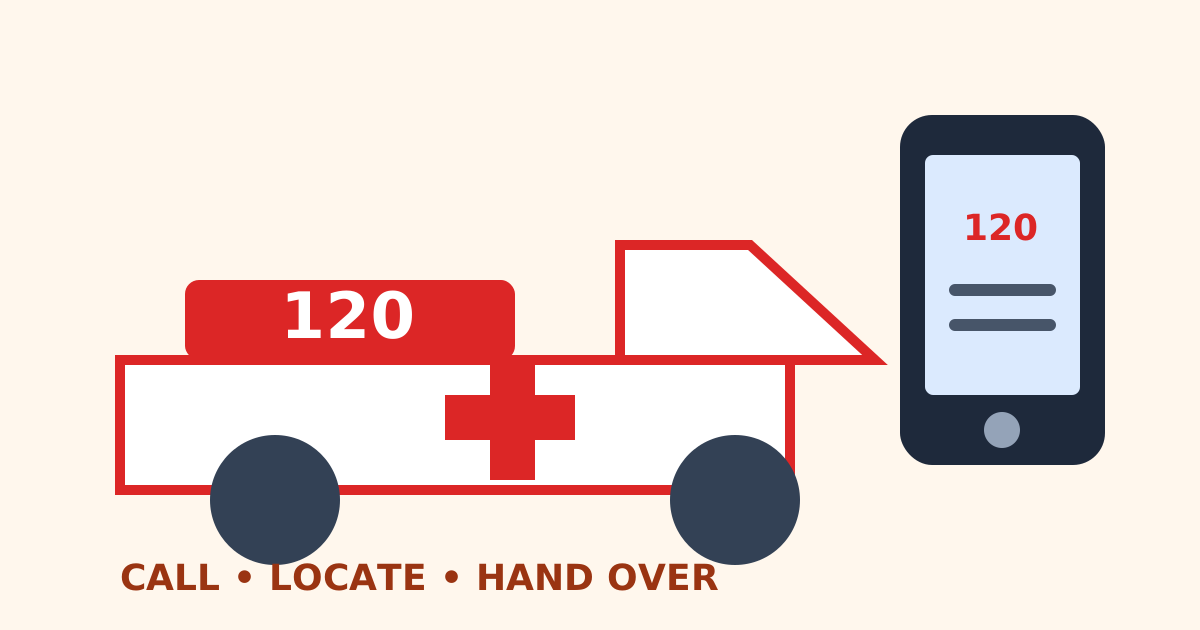
In a medical emergency, speed and a usable location matter more than perfect language. In the Chinese mainland, call 120 for medical first aid.
This guide is for preparation and communication, not diagnosis. Follow the dispatcher and medical professionals.
1. Call 120 and state the immediate problem
Give your callback number, the patient’s approximate age, whether they are conscious and breathing, the main event or symptom, and any immediate danger. Do not hang up until the dispatcher says you can.
2. Give a location an ambulance can use
Save this information in Chinese on every household phone:
- City, district, road, and street number
- Compound or office name
- Gate number and access instructions
- Building, unit, floor, and room
- Nearby landmark
- Name and phone of a Chinese-speaking contact
Map pins help, but a dispatcher may still need a spoken address. If possible, send one person to the gate while another remains with the patient.
3. Follow first-aid instructions
Do not move the patient, give food or medication, or drive them yourself unless the dispatcher or a qualified professional advises it. Situations differ, and well-meant action can create risk.
For a broader household plan, see Emergency Contacts and Safety in China.
4. Prepare a rapid handover
Without delaying care, gather the patient’s passport or ID, medication and allergy list, major diagnoses, recent medical records, insurance card or assistance number, phone, charger, and payment method.
One companion should be ready to explain what happened, when it began, what changed, and what medication was already taken. Read Emergency Room and Hospital Admission in China for the next stage.
5. Plan for language and insurance before an emergency
Ask your insurer which emergency-assistance number operates around the clock and whether notification is required after stabilization. Save a bilingual medical summary and emergency contact card offline.
Insurance procedures must not delay an urgent 120 call. Hospital deposits, ambulance charges, coverage, and reimbursement can vary; confirm them with the provider and insurer afterward.
Household checklist
- Chinese address card saved on every household phone
- 120, 110, 119, and 122 saved with labels
- Medication, allergy, and diagnosis list updated
- Passport and insurance copies accessible
- Compound gate access plan agreed
- Emergency contact and interpreter backup identified
Official sources
- China government: Guide to Working and Living in China
- National Health Commission: emergency numbers and services
Call 120 for an actual medical emergency and follow professional instructions. Confirm local hospital and insurance arrangements before you need them.
Frequently asked questions
Common questions
What is the ambulance number in China?
Call 120 for medical first aid in the Chinese mainland.
What location should I give?
Give the city and district, road and number, compound name, gate, building, unit, floor, room, and a nearby landmark in Chinese if possible.
Can I choose the hospital?
Tell the dispatcher about relevant specialist needs and insurance arrangements, but destination decisions depend on urgency, local dispatch, capacity, and clinical judgment.
What if I do not speak Chinese?
Use a saved Chinese emergency card, ask a nearby colleague or neighbor to help, and keep your insurer's assistance number available, but do not postpone calling 120.
What should go with the patient?
If readily available, take identification, phone, medication list, allergy details, essential medical records, payment method, and insurance information.