Healthcare
Blood Donation in China: A Preparation Guide for Foreign Residents
A practical, safety-first guide for foreigners considering blood donation in China, including eligibility questions, identification, screening, consent, aftercare, and records.
Rules and procedures can change. Check the linked official sources before acting on time-sensitive information.
Quick answer
What you need to know
Contact the authorized local blood service first, disclose health and travel information honestly, understand the screening and consent process, and follow professional aftercare advice.
- Eligibility, accepted identification, language support, and appointment rules can differ by location and change over time.
- Answer screening questions accurately and never donate to obtain a health test or while feeling unwell.
- Ask about the procedure, privacy, test notification, adverse-reaction support, and donor record before consenting.
- Follow staff instructions after donation and seek medical help for severe, persistent, or worsening symptoms.
Blood donation is a medical procedure and a public-health service, not a casual walk-in activity. Foreign residents should confirm local eligibility and communication arrangements before traveling to a collection point.
Contact an authorized service first
Find the official local blood center, blood station, or authorized collection service through local health-authority channels. Ask whether an appointment is required, whether foreign donors are accepted, which original identification is needed, and whether the screening and consent process is available in a language you understand.
China’s National Health Commission is an official national health-information source. Operational eligibility is local and individual, so the collection service must confirm current requirements.
Ask about eligibility without self-screening
Tell staff about relevant health conditions, medicines, recent illness, dental or medical procedures, pregnancy, vaccinations, tattoos or piercings, travel, prior donations, and other requested history. Requirements can include age, weight, interval, and temporary or permanent deferrals.
Do not stop prescribed medicine or conceal information to qualify. Ask a clinician if donation may be inappropriate for your health. The seeing a doctor guide can help you prepare for a separate medical consultation.
Prepare for the appointment
Follow the blood service’s food, hydration, sleep, exercise, and alcohol instructions. Bring the accepted identification, glasses if needed for forms, a working phone, and relevant health information. Arrange an interpreter if you cannot understand screening, consent, or aftercare; do not guess at medical questions.
Donation should never be used as a substitute for confidential diagnostic testing. If you are concerned about infection or another condition, seek appropriate medical care.
Understand screening and consent
Ask what will happen, what sample or amount is collected, how privacy is protected, what testing is performed, how an important result is communicated, and whom to contact afterward. Tell staff immediately if you feel faint, anxious, painful, or unwell.
Do not sign a form you do not understand. A friend can help with logistics, but qualified language support is safer for consequential medical communication. See the medical interpreter guide.
Follow professional aftercare
Rest for the time instructed, drink and eat as advised, protect the needle site, and avoid activities staff tell you to postpone. Before leaving, save the service contact and ask which symptoms require a call, clinic visit, or emergency care. Seek urgent care for severe or worsening symptoms.
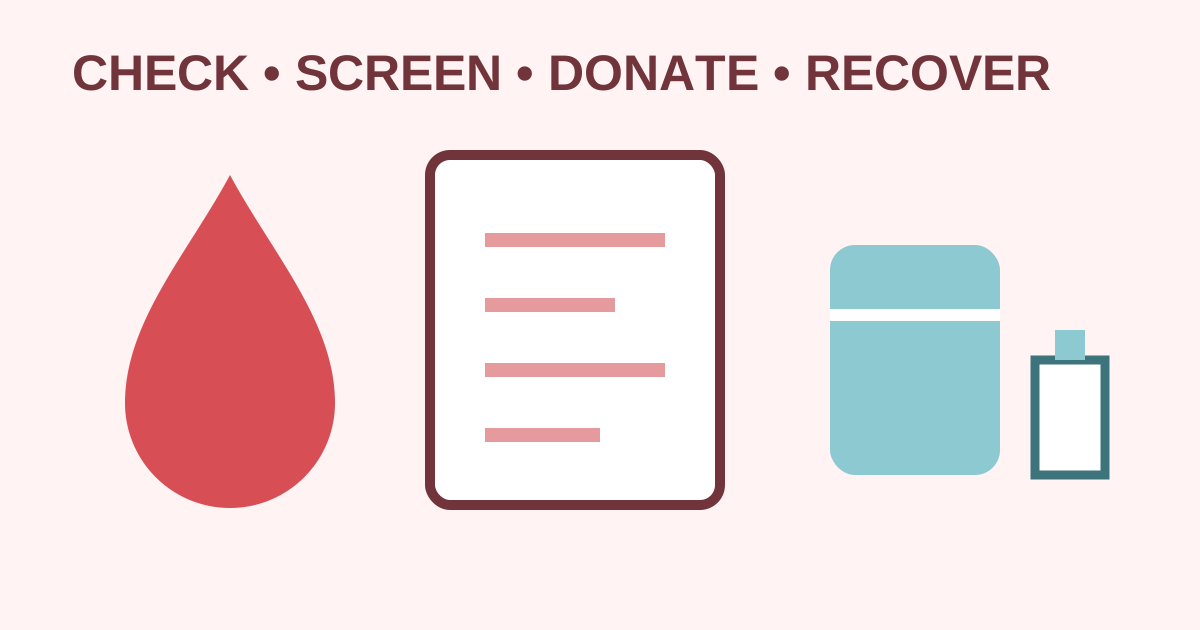
Blood donation checklist
- Authorized local collection service verified.
- Foreign-donor and identification requirements confirmed.
- Health, medicine, procedure, and travel history prepared.
- Language support arranged if needed.
- Preparation instructions followed.
- Screening questions answered honestly.
- Procedure, privacy, testing, and notification understood.
- Aftercare instructions and contact saved.
- Donor record retained securely.
This guide provides general logistics, not medical advice or an eligibility decision. The authorized blood service and your clinician should guide the decision for your circumstances.
Frequently asked questions
Common questions
Can a foreigner donate blood in China?
Eligibility and operational requirements vary. Contact an authorized local blood center or collection service with your document, language, health, travel, and residence questions before going.
What identification should I bring?
Ask the collection service which original identification it accepts and whether registration requires a local phone number or other information.
Can blood donation replace a medical checkup?
No. Donor screening is for donation safety and is not a substitute for diagnosis, routine care, or testing ordered by your clinician.
What if I feel unwell afterward?
Tell staff immediately if you are still at the site. Follow their instructions and seek urgent medical care for severe, persistent, or worsening symptoms.