Healthcare
Renting Home Medical Equipment in China: A Practical Guide
Arrange short-term wheelchairs, walkers, hospital beds, oxygen equipment, and other home medical equipment in China with clinician input and clear rental records.
Rules and procedures can change. Check the linked official sources before acting on time-sensitive information.
Quick answer
What you need to know
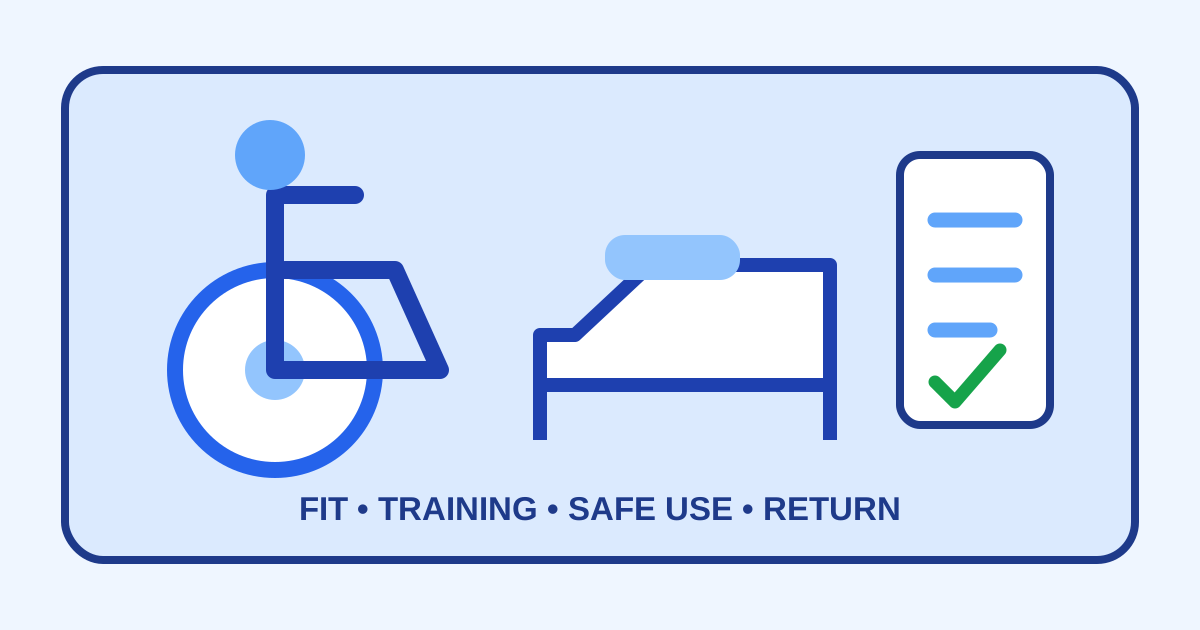
Ask a clinician what is appropriate, verify the supplier and exact model, document cleaning and training, and plan delivery, safe use, and return before paying.
- Obtain clinician guidance for the equipment, settings, fit, and warning signs; rental staff are not a substitute for medical advice.
- Verify the supplier, model, accessories, cleaning record, deposit, delivery, maintenance, and emergency contact.
- Measure doors, elevators, bedside space, power access, and transport routes before delivery.
- Do not change oxygen, pressure, flow, or other prescribed settings without the responsible clinician.
A wheelchair for a visiting relative, a walker after surgery, or an adjustable bed during recovery can make home care safer. The wrong size, unclear settings, inaccessible apartment, or missing return terms can also create risk and unexpected cost.
Start with the care plan
Ask the treating clinician or rehabilitation professional what device, size, capacity, features, settings, and duration are appropriate. Confirm who will fit it, teach the user and caregiver, and review progress. For mobility equipment, ask about transfers, fall risk, pressure care, and whether the home layout is suitable.
Oxygen and other prescribed or powered equipment require particular care. Do not select or change flow, pressure, dose, alarm, or therapy settings from a marketplace description. Confirm with the responsible clinician and qualified supplier.
Measure the home before ordering
Measure the building entrance, elevator door and cabin, apartment doorway, corridor turns, bathroom access, bedside clearance, and storage space. Check stair access, loading rules, delivery hours, and whether property management needs notice. Confirm grounded power access and backup arrangements for essential powered equipment.
The home accessibility guide offers a broader room-by-room review.
Verify the supplier and rental package
Ask for the supplier’s legal business name, contact details, exact model, serial number, included accessories, condition, cleaning or disinfection record, instructions, maintenance plan, and after-hours support. Confirm delivery, assembly, fitting, training, replacement, consumables, damage assessment, deposit release, extension, collection, and late fees in writing.
For regulated product information and safety notices, consult the National Medical Products Administration and confirm questions with the clinician and supplier. A listing or business license does not establish that a device is appropriate for a particular patient.
Accept, use, and return systematically
At delivery, match the model and accessories to the order. Photograph existing marks, test brakes and controls with the technician, check batteries and alarms, and save the handover form. Keep instructions and the support number accessible to caregivers.
Stop using equipment that becomes unstable, damaged, contaminated, unusually hot, or unreliable, and contact the supplier and clinician. For an urgent health change, use the care team’s urgent route or emergency services rather than troubleshooting alone.
Before collection, agree on the time and cleaning expectations. Photograph condition, accessories, meter readings if relevant, and the signed return. Monitor the deposit until released. The medical insurance claims guide explains how to preserve preauthorization, invoices, and clinical records.
Rental checklist
- Clinician recommendation and intended duration recorded.
- User measurements and home route checked.
- Supplier and exact model verified.
- Cleaning, fitting, and training documented.
- Deposit, fees, damage terms, and support route saved.
- Delivery condition and accessories photographed.
- Maintenance and urgent-care plan understood.
- Return receipt and deposit release retained.
This is general planning information, not medical advice. Equipment choice and use must be confirmed with the treating clinician and appropriately qualified provider.
Frequently asked questions
Common questions
Can foreigners rent a wheelchair or hospital bed in China?
Often yes through hospitals, rehabilitation providers, pharmacies, medical-device suppliers, or local platforms, but availability and identity, deposit, prescription, or delivery requirements vary.
Do I need a prescription?
It depends on the device and use. Ask the treating clinician and supplier what clinical order, prescription, fitting, or training is required.
What should I check before accepting delivery?
Confirm the model and serial number, cleanliness, condition, accessories, battery or power supply, controls, brakes, alarms, instructions, and support contact against the rental record.
Will insurance reimburse the rental?
Coverage varies. Ask the insurer before rental about eligible suppliers, preauthorization, prescription, invoice, diagnosis information, and claim deadlines.