Healthcare
Hospital Visitors and Bedside Caregivers in China: A Guide for Foreign Patients
Plan hospital visits and bedside support in China by confirming ward rules, caregiver duties, identification, infection controls, meals, and communication.
Rules and procedures can change. Check the linked official sources before acting on time-sensitive information.
Quick answer
What you need to know
Before admission, identify who may enter the ward, what support they may provide, how shifts work, and who communicates with the clinical team.
- Ask the specific ward about visitor hours, caregiver limits, passes, overnight stays, and infection controls.
- Separate family support, paid non-clinical care, nursing tasks, and medical decisions; do not assume responsibilities.
- Choose one primary contact to receive updates and keep a written question and medication list.
- Follow instructions from the treating hospital; this guide is not medical advice.
Hospital support may involve visiting, translating, bringing supplies, helping with meals, or arranging a non-clinical bedside caregiver. The rules can differ by ward and change during infection-control periods, so confirm them directly.
This guide is general planning information, not medical advice. Follow the treating team’s instructions.
Ask the ward before admission
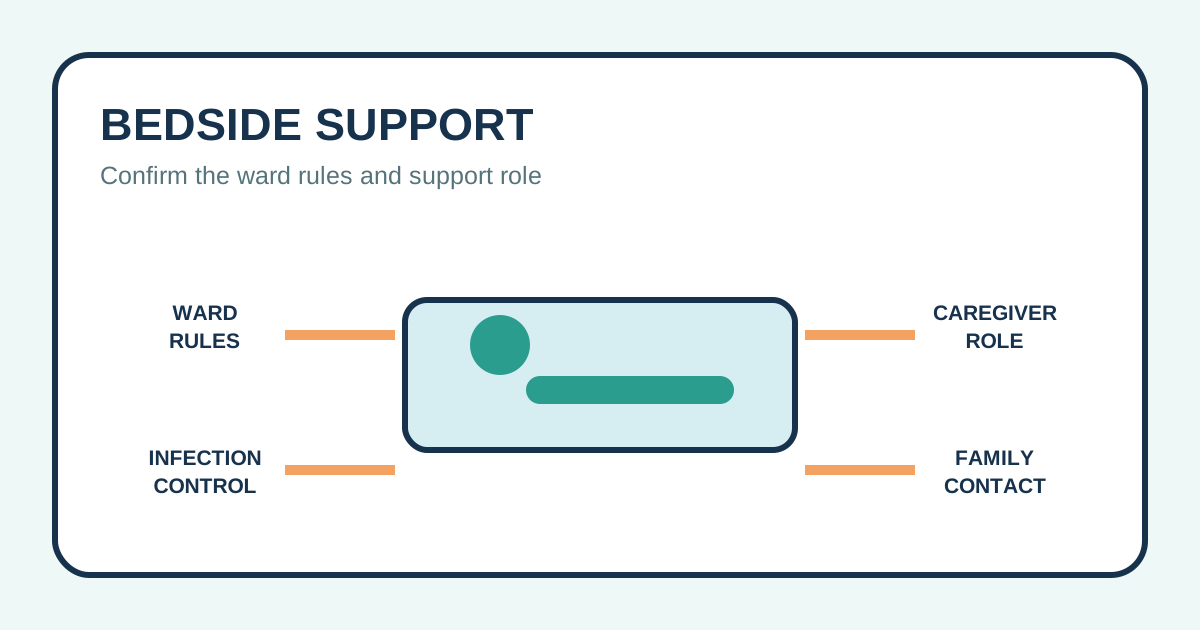
Confirm visitor hours, number of people, age restrictions, identification, passes, overnight access, room limits, masks, and screening. Ask whether rules differ for intensive care, maternity, pediatrics, isolation, or shared rooms.
Use the hospital admission guide to prepare the wider admission file.
Define the support role
Ask nurses what a relative or paid caregiver may and may not do. Clarify meals, water, mobility, hygiene, laundry, supplies, observation, and overnight presence. Never perform a clinical task, change medication, or move a patient against staff instructions.
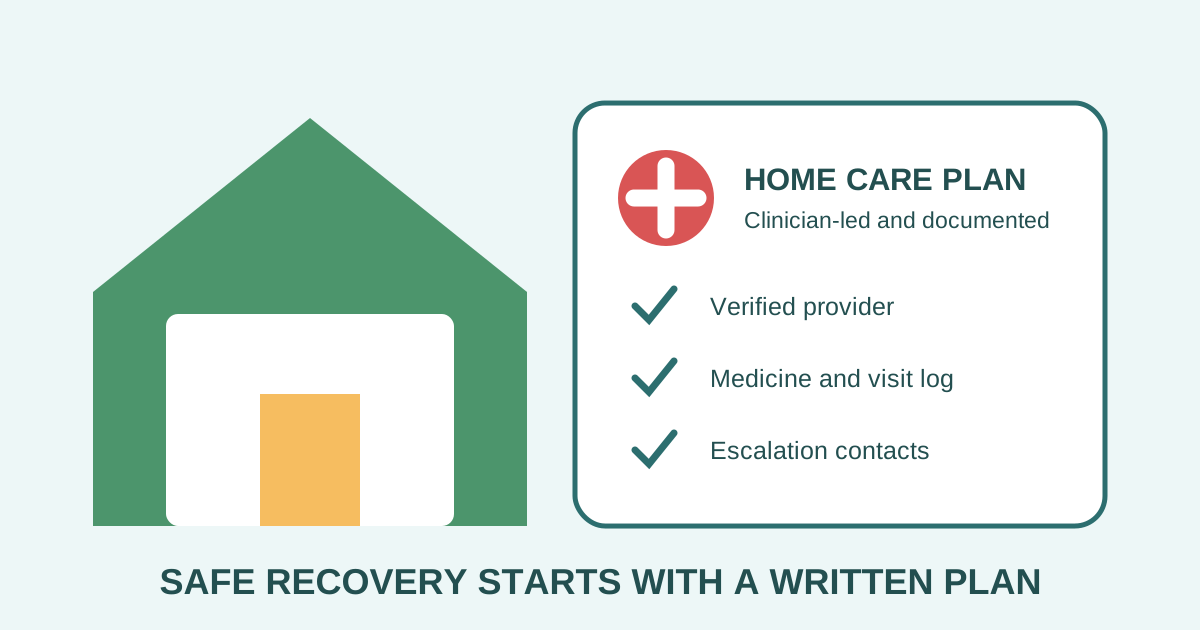
If hiring support, verify the provider through the hospital or another trusted channel. Record the name, employer, shift, scope, fee, payment method, receipt, and escalation contact.
Organize communication
With the patient’s consent, choose one primary family contact and one backup. Keep a dated list of questions, medicines, allergies, clinician names, and next decisions. Arrange a medical interpreter when language could affect consent or safety.
Do not photograph other patients or share medical details broadly in group chats.
Prepare practical supplies
Ask what the ward provides before bringing bedding, food, hygiene products, chargers, or storage containers. Label permitted belongings and avoid blocking aisles or equipment. Confirm food restrictions with clinical staff rather than relying on general advice.
Bedside support checklist
- Ward-specific visitor and overnight rules confirmed.
- Passes, ID, and infection controls understood.
- Family and paid-caregiver roles defined by staff.
- Primary communication contact designated with consent.
- Medicine, allergy, and question list maintained.
- Interpreter arranged for important discussions.
- Fees, shifts, scope, and receipts documented.
- Discharge transport and home support discussed early.
China’s National Health Commission provides official public-health information, but the hospital controls its ward procedures. For discharge preparation, see the hospital discharge guide.
Frequently asked questions
Common questions
Can a family member stay overnight in a China hospital?
Rules vary by hospital, ward, room, and infection-control status. Ask the admitting ward about passes, beds, fees, and permitted hours.
What is a bedside caregiver expected to do?
Expectations differ. Ask staff to define permitted help with meals, mobility, hygiene, belongings, and communication, and leave clinical tasks to authorized professionals.
Can I hire a caregiver through the hospital?
Some facilities provide or recognize services, while others use different arrangements. Verify the provider, scope, fees, shifts, supervision, and receipts with the hospital.
How can an overseas relative receive updates?
With the patient's consent and hospital procedures, designate one contact and agree on a communication schedule. Protect medical information in group chats.