Working in China
Workplace Evacuation and Emergency Drills in China: A Guide for Foreign Employees
A practical guide to learning workplace alarms, evacuation routes, assembly points, emergency contacts, accessibility support, and drill procedures in China.
Rules and procedures can change. Check the linked official sources before acting on time-sensitive information.
Quick answer
What you need to know
Learn the site-specific alarm, exits, assembly point, accountability method, and emergency contacts before an incident, then raise access or language needs early.
- Every office, factory, campus, and mixed-use building can have a different evacuation plan.
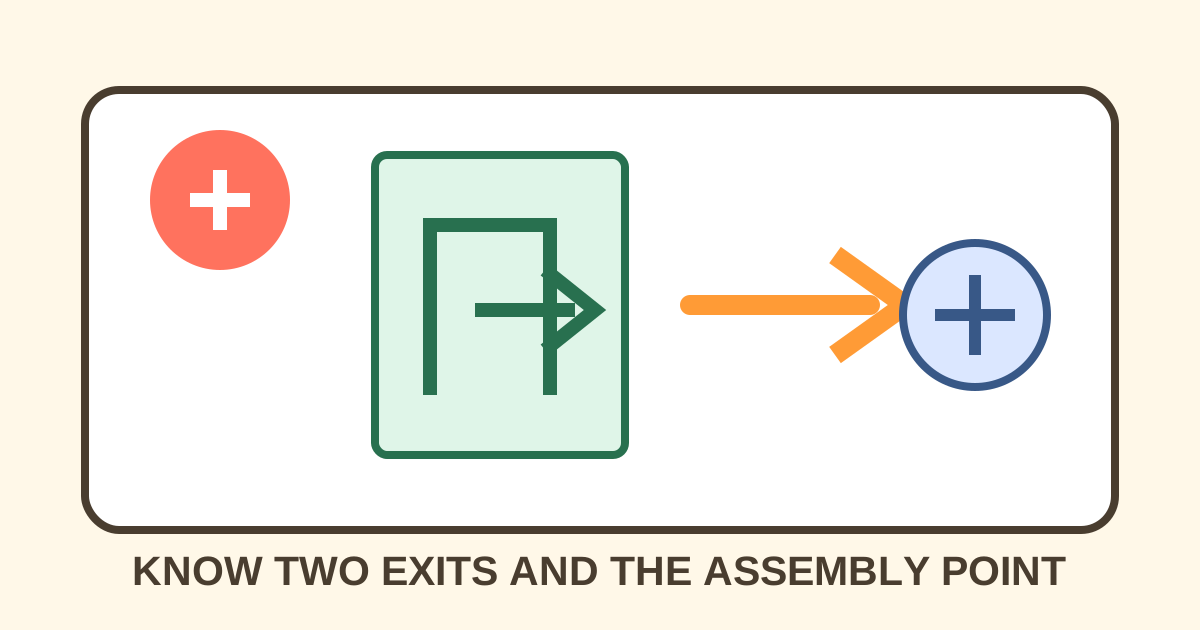
- Know two usable exits and the outdoor assembly point without relying on an app.
- Report mobility, hearing, vision, language, or medical support needs before drills.
- During an emergency, follow trained site leaders and public emergency instructions rather than returning for belongings.
An emergency plan is useful only if employees can act on it under stress. Foreign staff should learn the local alarm, route, assembly point, and accountability method during onboarding rather than waiting for the first drill.
Learn the site plan
Ask HR, facilities, or the safety lead to show you the primary and secondary exits, stairwells, alarm points, extinguishers, first-aid equipment, refuge areas if provided, and outdoor assembly point. Walk both routes and note locked doors, access-control gates, construction, or storage that could obstruct them.
Save the full building address and entrance description in Chinese. Record the internal security desk and supervisor numbers alongside 119, 120, and 110. The emergency contacts guide provides a personal contact template.
Decode alarms and accountability
Some buildings use tones, voice announcements, messages, or staff instructions. Confirm what requires immediate evacuation and whether earthquake, severe weather, chemical, or security events use different actions.
At the assembly point, check in through the designated person, roster, QR process, or team channel without wandering away. Tell the coordinator if you know someone may still be inside; do not re-enter to search.
Arrange accessible support
Employees who may need assistance because of mobility, hearing, vision, language, pregnancy, or a health condition should discuss a specific plan confidentially before a drill. Identify backups rather than relying on one colleague. Ask how visitors, contractors, night-shift staff, and employees on other floors are covered.
The workplace health-condition support guide offers a framework for requesting practical arrangements without oversharing medical details.
Treat drills as a systems test
Bring no possessions that slow the exit. Use the designated stairs and follow wardens. Afterward, report unclear announcements, crowding, inaccessible doors, missing signs, blocked routes, or accountability failures through the employer’s safety channel.
Keep your phone, desk, and emergency contacts current, but do not depend on connectivity. At home, use the separate fire safety guide for residential planning.
Workplace evacuation checklist
- Building address and entrance saved in Chinese.
- Primary and secondary exits walked.
- Alarm meanings and emergency actions understood.
- Assembly point and check-in method recorded.
- Internal security, supervisor, 119, 120, and 110 saved.
- Accessibility or language support agreed with backups.
- Visitor and after-hours procedures understood.
- Hazards or drill problems reported promptly.
- No return until authorized personnel declare it safe.
Official reference point
Site conditions and official instructions take priority over general guidance. Confirm the current emergency plan with your employer, building management, and local emergency authorities; call the appropriate emergency service when immediate help is needed.
Frequently asked questions
Common questions
What emergency numbers should I know in China?
Common numbers include 119 for fire and rescue, 120 for ambulance, and 110 for police. Confirm local site procedures and save the building address in Chinese.
Should I use an elevator during a fire alarm?
Generally follow the building's posted emergency instructions and trained wardens; ordinary elevators may be unsafe or unavailable. Ask in advance about the approved accessible evacuation plan.
What if I cannot understand the announcement?
Ask your employer to explain alarm tones and messages in advance and arrange a buddy or accessible alert where needed. During an event, follow trained staff and visible evacuation signs.
Can I return for my passport or laptop?
Do not delay evacuation or re-enter unless emergency personnel or authorized site leaders declare it safe. Keep essential copies securely available away from the workplace.