Daily Life
Home Fire Safety and Emergency Preparedness in China: A Resident Checklist
A practical home safety guide for foreign residents in China covering exits, alarms, gas, batteries, high-rise evacuation, emergency contacts, and family planning.
Rules and procedures can change. Check the linked official sources before acting on time-sensitive information.
Quick answer
What you need to know
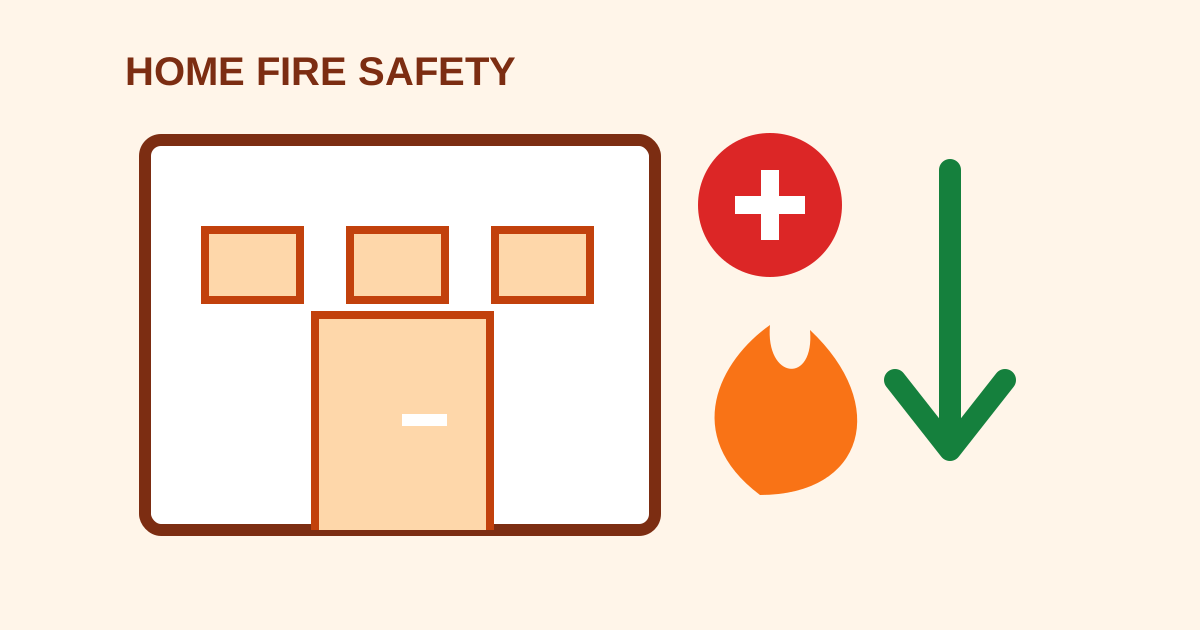
Inspect exits and household hazards, install and test appropriate alarms, learn building procedures, keep emergency contacts accessible, and practise a simple evacuation plan with everyone at home.
- Know two possible exit routes and keep corridors, stairs, and fire doors unobstructed.
- Treat gas, overloaded electrical outlets, cooking, heaters, and lithium batteries as active household risks.
- Agree on an outdoor meeting point and a plan for children, older relatives, visitors, and pets.
- In an emergency, call 119 for fire rescue and follow instructions from local responders.
A safe apartment is not only about locks and neighborhood security. Cooking, gas appliances, overloaded outlets, heaters, lithium batteries, blocked corridors, and unfamiliar high-rise procedures can all turn a small incident into an emergency.
Use this checklist with your building’s official instructions. Equipment selection and emergency actions depend on the property, so ask property management and local fire-safety professionals when unsure.
Learn the building before an emergency
Walk from your door to the nearest stairwell and identify an alternative if one exists. Check where fire doors, alarms, extinguishers, hose cabinets, refuge areas, and outdoor assembly points are located.
Do not store shoes, boxes, bicycles, or strollers in escape routes. Report locked exits, damaged doors, or blocked equipment to property management in writing. Combine this review with our Apartment Safety Guide.
Check alarms and household equipment
Ask whether the apartment and common areas have smoke, heat, gas, or carbon-monoxide detection appropriate to installed appliances. Test and maintain resident-controlled alarms according to manufacturer instructions.
Learn what the alarm sounds like and whether building announcements are only in Chinese. Keep an appropriate, maintained extinguisher or fire blanket only if recommended, and learn safe use from a qualified source—equipment is never a reason to delay evacuation.
Reduce common household risks
- Stay near active cooking and keep flammable items away from heat.
- Have gas appliances and flexible connections checked by qualified providers.
- Stop using damaged cords, hot plugs, or counterfeit chargers.
- Avoid overloading power strips or connecting them in chains.
- Keep heaters clear and switch them off as instructed.
- Charge phones, power banks, and other batteries on stable, nonflammable surfaces.
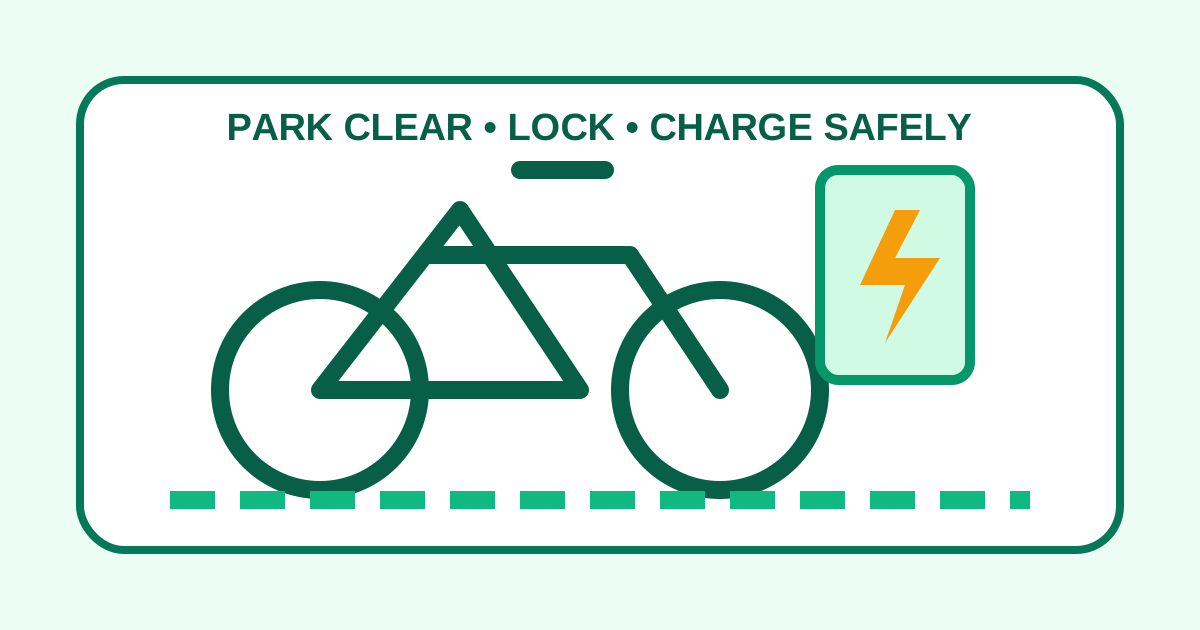
- Use designated outdoor or building-approved charging for e-bikes and removable traction batteries.
Ask the landlord to repair unsafe fixed wiring or appliances. The Landlord Repairs Guide suggests how to document a request.
Make a household evacuation plan
Choose an outdoor meeting point away from the building. Decide who helps children, older relatives, visitors, or pets, but do not re-enter a dangerous building to retrieve belongings.
Keep keys, phone, glasses, and essential mobility items accessible. Practise leaving by the stairs in normal conditions. If smoke or fire blocks the route, move away from danger, close doors where possible, call responders, state your exact location, and follow their instructions rather than improvising.
Prepare clear emergency information
Save your address in Chinese, building number, unit, nearest gate, property-management phone, and a Chinese-speaking contact. Fire rescue is 119; police is 110; medical emergency is 120.
Share access instructions with household members. Our Emergency Contacts and Safety Guide contains a bilingual information checklist.
Assemble essential supplies
Keep a small, accessible kit with identity-document copies, necessary medicines, emergency contacts, flashlight, charged power bank, water, basic first aid items, masks, and household-specific supplies. Store originals securely but where they can be retrieved if evacuation remains safe.
Review renters’ or household insurance for fire, water, temporary accommodation, and personal-property coverage. Photograph possessions and save policy contacts outside the apartment.
Home fire-safety checklist
- I know the nearest safe stair routes and meeting point.
- Corridors, stairs, and fire doors are clear.
- Appropriate alarms are installed and tested.
- Everyone recognizes the building alarm.
- Gas and electrical hazards have been checked.
- E-bike batteries use approved charging facilities.
- Our family has practised a simple evacuation plan.
- My address and emergency numbers are saved in Chinese.
- Essential supplies and insurance details are accessible.
Official sources
- National Fire and Rescue Administration
- China Government: Emergency Numbers
- Ministry of Emergency Management
Building design and local requirements vary. Follow posted instructions, property-management notices, and directions from local fire and emergency authorities.
Frequently asked questions
Common questions
What is the fire emergency number in China?
The fire and rescue emergency number is 119. Give your location clearly and ask a Chinese-speaking neighbor, property manager, or colleague to assist if needed.
Should I use the elevator during a high-rise fire?
Normally, do not use an ordinary elevator during a fire unless emergency responders or an approved building system explicitly directs you. Follow the building's posted plan and responder instructions.
Can I charge an e-bike battery inside my apartment?
Indoor battery charging can create serious fire risk and may violate building rules. Use approved charging areas and equipment and follow manufacturer, property-management, and local safety requirements.
What should be in a home emergency bag?
Keep essential identity copies, medicines, contacts, a light, power bank, water, basic supplies, and needs for children or pets, adjusted to local official guidance and your household.