Daily Life
Wall Mounting and Drilling in a China Rental Apartment: A Renter's Guide
Plan shelves, TVs, mirrors, and wall fixtures in a China rental without damaging hidden utilities, waterproofing, tile, or your deposit.
Rules and procedures can change. Check the linked official sources before acting on time-sensitive information.
Quick answer
What you need to know
A permission-and-safety checklist for mounting household items while protecting the apartment and rental deposit.
- Get written landlord approval and check property-management rules before drilling or changing fixed surfaces.
- Identify wall construction, hidden wiring or pipes, waterproof zones, and suitable anchors before work begins.
- Use an insured or accountable installer for heavy, overhead, tiled, stone, or electrical work.
- Photograph the wall before and after installation and agree how holes or finishes must be restored at move-out.
A small screw can puncture a cable, water pipe, waterproof layer, tile, or concealed heating component. In a rental, the right sequence is permission, inspection, load planning, installation, and restoration records.
Get the location approved
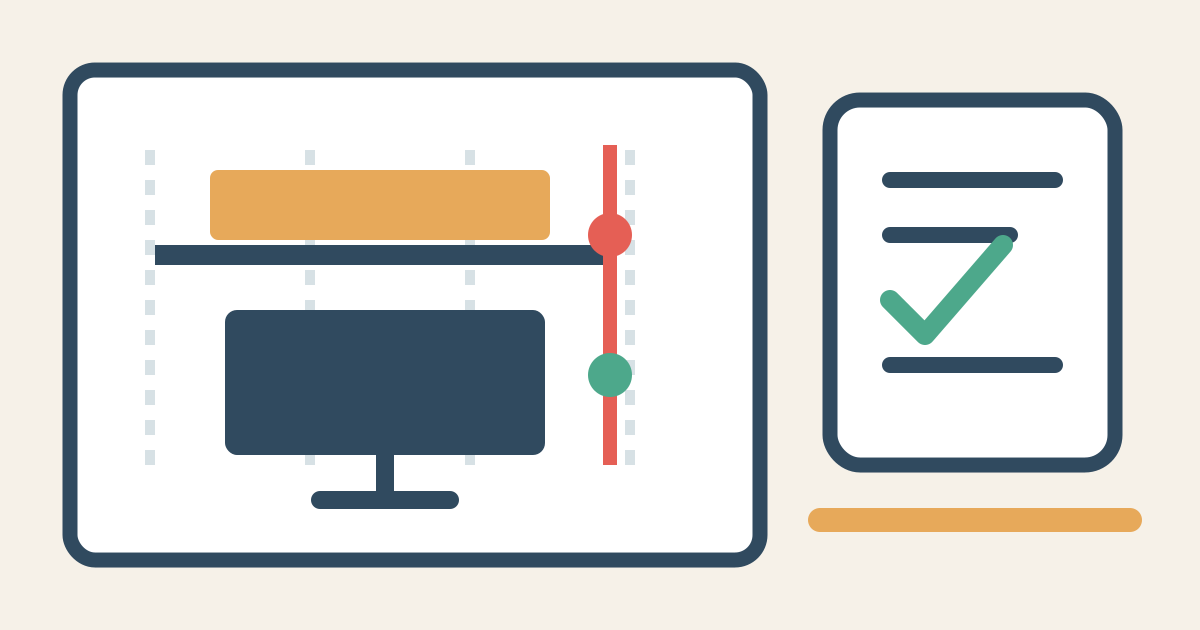
Send the landlord a marked photo showing the room, exact wall, fixture, dimensions, approximate weight, number of holes, and proposed installer. Ask whether the wall contains wiring, plumbing, heating, waterproofing, stone cladding, or building-owned equipment. Confirm property-management rules for drilling hours, contractor entry, debris, and common-area protection.
Approval should also state whether the fixture stays at move-out, who owns it, and what “restored” means. A patched hole may still be unacceptable if paint, wallpaper, tile, or stone no longer matches. Our rental deposit and move-out guide explains how to record agreed condition.
Match the fixing to the wall and load
Concrete, masonry, hollow block, drywall, tile, stone, and wood need different anchors and tools. The fixture’s total load includes the item, bracket, stored contents, and movement. Do not guess based only on a surface tap or an online anchor rating.
Use a competent installer for televisions, cabinets, large mirrors, ceiling fixtures, children’s furniture, exercise equipment, or anything above a bed, desk, doorway, or seating area. Ask how the installer will detect utilities, control dust, protect finishes, test the load, and document the anchor type. Do not drill near an outlet, switch, tap, shower, water heater, meter, or utility route without a reliable assessment.
Mounting checklist
- Check the lease and obtain specific written landlord permission.
- Ask property management about hidden systems and contractor rules.
- Record wall material, fixture weight, bracket, anchors, and hole locations.
- Use the manufacturer’s mounting instructions and load limits.
- Keep children, pets, and residents away from the work zone.
- Photograph the wall before drilling and the completed installation.
- Save the quote, invoice, installer contact, and removed original parts.
- Agree on removal, patching, repainting, and inspection at move-out.
For freestanding items, review the furniture delivery and assembly guide and the childproofing guide where tip-over restraint is relevant. If drilling exposes wiring, water, unusual heat, smoke, or a burning smell, stop, isolate the area if safe, and contact property management and a qualified professional. This is general practical information, not structural, electrical, or legal advice; confirm the work with the landlord, property manager, installer, manufacturer, and relevant specialists.
Frequently asked questions
Common questions
Can I drill holes in a rented apartment in China?
The answer depends on the lease, landlord permission, building rules, wall location, and intended fixture. Obtain written approval that identifies the work and restoration standard.
Can an adhesive hook replace drilling?
Only for loads and surfaces within the product instructions. Adhesive can fail or remove paint and wallpaper, so test discreetly and do not use it where falling objects could injure someone.
Who should install a wall-mounted TV or heavy shelf?
Use a qualified, accountable installer who can assess the wall, anchors, load, utilities, and manufacturer instructions. Ask for a written quote and service record.
How do I protect my rental deposit?
Keep the approval, before photos, installation details, removed parts, invoices, and the landlord's written restoration expectations for move-out.