Family & Education
Childproofing an Apartment in China: A Guide for Foreign Families
Childproof a China apartment with room-by-room checks for windows, balconies, furniture, sockets, medicines, hot water, doors, and emergency access.
Rules and procedures can change. Check the linked official sources before acting on time-sensitive information.
Quick answer
What you need to know
Inspect the home from a child's height, prioritize falls and access hazards, obtain landlord approval for fixtures, and review the setup whenever the child or apartment changes.
- Windows, balconies, stairs, heavy furniture, water, medicines, and cooking areas deserve priority over decorative childproofing products.
- Do not rely on an insect screen as a fall barrier, and keep climbable furniture away from windows and balcony rails.
- Get written landlord approval before drilling, adding guards, or changing locks, and keep fire exits operable.
- Recheck the apartment as a child learns to crawl, climb, open latches, or reach higher surfaces.
Childproofing is not a one-time shopping list. It is a risk review that changes with the apartment, the child’s abilities, and the adults providing care. Start with hazards that can cause severe harm quickly, then add smaller improvements.
Inspect from the child’s level
Walk and crawl through each room. Look for reachable cords, medicines, detergent pods, button batteries, magnets, sharp edges, unstable furniture, hot surfaces, standing water, and objects small enough to swallow. Test what can be pulled, climbed, opened, or tipped—not only what looks dangerous from adult height.
Make a photo record before adding fixtures. In a rental, send the landlord a written proposal for window restrictors, guards, furniture anchors, gates, or lock changes. Confirm who installs them and who restores the property later. Use the landlord repair and maintenance guide to keep the request documented.
Prioritize windows, balconies, and furniture
An insect screen keeps insects out; it is not a fall-prevention device. Keep beds, sofas, desks, stools, and storage boxes away from windows and balcony rails. Check rail gaps, horizontal features that can be climbed, low handles, and whether sliding doors can be opened by a child.
Any guard, restrictor, or net must suit the opening and building, be correctly installed, and not create entrapment or block an essential emergency route. Ask the property manager about building and fire-safety constraints before installation. Never leave a young child alone on a balcony, even after adding a barrier.
Anchor tall shelves, drawers, televisions, and other tip-prone items using methods approved by the manufacturer and landlord. Do not place attractive objects on top of furniture that invite climbing. Keep blind and curtain cords secured and inaccessible; the window coverings guide covers rental-specific checks.
Secure water, heat, electricity, and chemicals
Use locked high storage for medicines, cleaning products, alcohol, matches, tools, spare batteries, and concentrated household chemicals. Keep products in original labeled containers. The medicine storage guide explains how to separate current medicine, discontinued medicine, and emergency information.
Set hot water conservatively, test it before bathing, and stay within arm’s reach around any tub or water container. Turn pan handles inward, use rear cooking zones when practical, and create a child-free zone while cooking. Cover only unused electrical sockets with products appropriate for the outlet; replace damaged outlets through a qualified repair channel rather than hiding them.
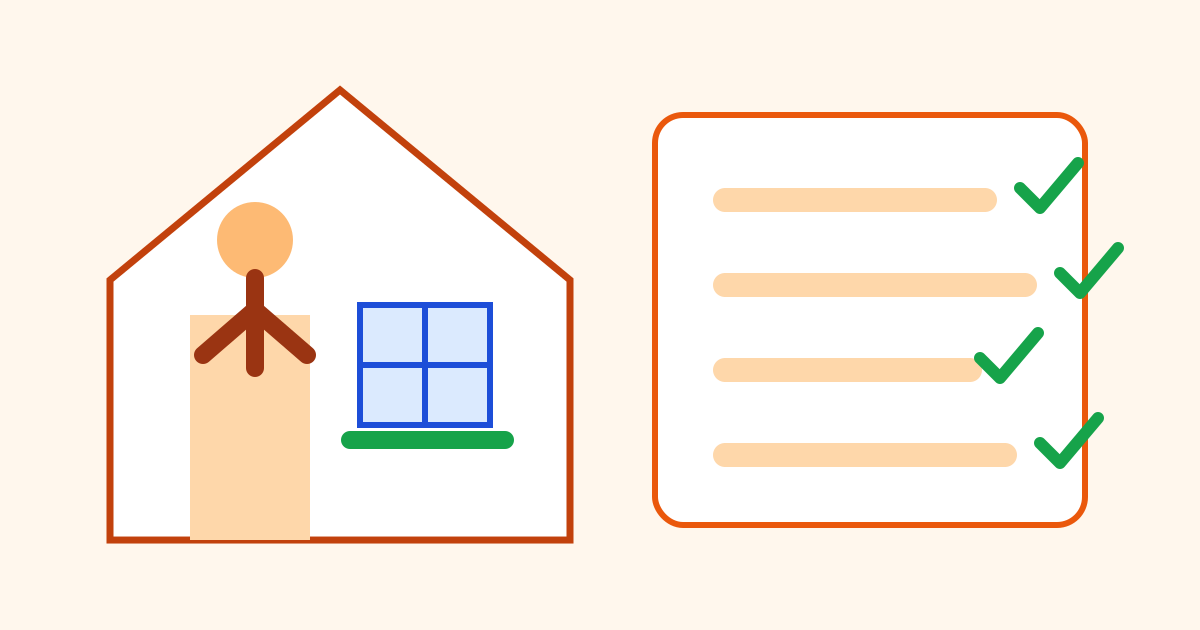
Room-by-room checklist
- Entry: store keys, access cards, helmets, and delivery parcels out of reach; keep the exit usable.
- Kitchen: lock chemicals and blades, control appliance cords, and secure freestanding units.
- Bathroom: supervise water, use a slip-resistant surface, and lock medicines and cosmetics.
- Bedrooms: keep sleep spaces away from cords, heaters, windows, and climbable furniture.
- Living room: anchor furniture, manage cables, and check toys for loose batteries or magnets.
- Balcony: remove climbable objects, secure doors appropriately, and inspect barriers regularly.
- Whole home: test smoke or gas alarms where installed and keep emergency contacts visible.
Share the plan with nannies, relatives, cleaners, and visitors. Explain the non-negotiable rules in a language they understand. Pair it with the family emergency contact file and include the building name, Chinese address, unit number, property desk, pediatric contact, and local emergency numbers.
Product standards, building conditions, and children’s needs differ. Ask the child’s clinician about development-specific risks, and use approved products and competent installers. Seek urgent medical help after a serious fall, poisoning, burn, breathing problem, or electrical injury rather than relying on online guidance.
Frequently asked questions
Common questions
Are window insect screens safe for preventing falls?
No. A typical insect screen is not designed as a child fall barrier. Use appropriate guards or opening restrictors approved for the window and building, while preserving emergency escape requirements.
Can I drill furniture anchors into a rented apartment?
Ask the landlord in writing first. Agree on suitable fixing points, professional installation where needed, and how holes or fixtures will be handled at move-out.
Should every cabinet have a latch?
Prioritize cabinets containing medicines, cleaning products, sharp tools, batteries, alcohol, matches, and choking hazards. A locked high location adds protection for the most dangerous items.
How often should we review childproofing?
Review it after moving, repairs, new furniture, caregiver changes, and each developmental change. A setup that worked for a crawling infant may fail for a climbing toddler.