Daily Life
Used Cooking Oil Disposal in China: A Home Guide for Foreign Residents
Handle used cooking oil in a China apartment without clogging drains: cool, contain, store, sort, transport, and confirm local disposal instructions.
Rules and procedures can change. Check the linked official sources before acting on time-sensitive information.
Quick answer
What you need to know
A practical home routine for cooling and containing used cooking oil, preventing drain blockages, and checking local property or waste-sorting instructions.
- Never pour cooking oil, grease, or oily solids into a sink, toilet, floor drain, or storm drain.
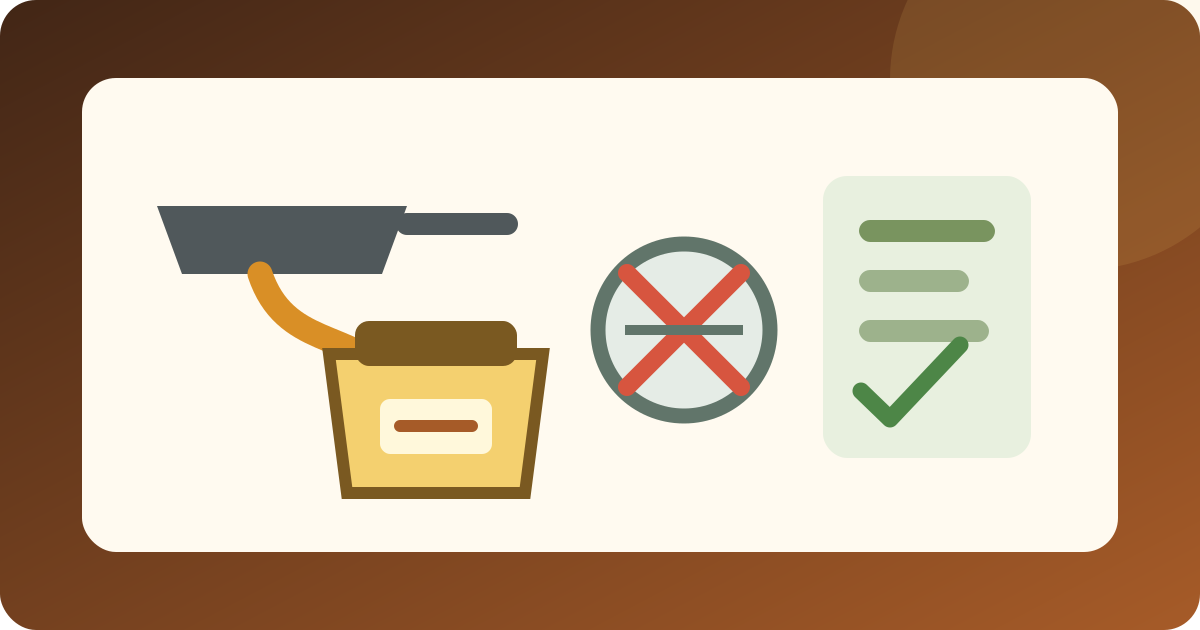
- Let oil cool safely, strain or absorb small amounts, and place larger amounts in a sealed compatible container.
- Ask property management how local household waste rules classify contained oil and greasy absorbents.
- Keep hot oil, storage containers, and disposal bags away from children, pets, flames, leaks, and shared-area spills.
Used cooking oil looks liquid when hot but can create stubborn pipe deposits, odors, pests, leaks, and slippery shared areas. A small cooling-and-containment routine protects the apartment and makes it easier to follow the waste rules used by your building.
Keep oil out of every drain
Do not pour oil, animal fat, sauce grease, or oily food residue into the kitchen sink, toilet, balcony drain, floor drain, or outdoor storm drain. Hot water or detergent may move grease temporarily but does not remove it from the drainage system.
For a pan with only a thin film, let it cool and wipe it with a small amount of paper or another material accepted by the local residual-waste rules. Scrape greasy food solids into the locally designated waste stream before washing the cookware.
Cool and contain larger amounts
Turn off the heat, move the pan to a stable protected surface, and allow the oil to cool fully away from children, pets, water, and flames. Do not leave a hot pan in a corridor or shared balcony. If reusing suitable oil, follow conservative food-safety guidance and discard it when its smell, appearance, or cooking behavior changes.
For disposal, transfer fully cooled oil into a compatible leak-resistant container with a tight lid. Use a funnel over a protected surface, wipe the outside, label it, and store it upright away from food and heat until the next permitted disposal time.
Confirm the local waste route
Waste classification and collection arrangements differ by city and residential compound. Show property management a photo or description of the contained oil and ask which bin or collection point accepts it. Do not leave an unlabelled bottle beside a bin or pour oil into a food-waste container unless the posted local instruction explicitly permits it.
China’s Ministry of Housing and Urban-Rural Development publishes official urban-management information at mohurd.gov.cn. The waste sorting guide explains how to verify local categories and collection schedules.
Prevent leaks and contractor confusion
Double-protect a questionable container and carry it upright in a washable tray or sturdy bag. If oil leaks in a corridor, lift, or waste room, keep others away from the slip hazard and notify property management immediately. Do not rinse the spill into a drain.
Household quantities should not be mixed with restaurant collection arrangements. If domestic help or a cooking service handles disposal, agree on the building’s approved method and never let an unverified collector remove oil for an unknown purpose. The household help guide offers a broader task-and-access checklist.
Used cooking oil checklist
- Keep oil, grease, and oily solids out of all drains.
- Cool oil completely on a stable surface away from water and flames.
- Wipe thin residue using material accepted by local waste rules.
- Seal larger amounts in a compatible, labeled, leak-resistant container.
- Ask property management which local waste category or point applies.
- Carry containers upright and protect lifts and corridors from leaks.
- Report shared-area spills promptly and prevent slip access.
- Keep disposal instructions clear for everyone who cooks in the home.
This is general household and waste-management guidance, not plumbing, environmental, food-safety, or legal advice. Local rules and building facilities vary; confirm the current method with property management, the local sanitation authority, a licensed collector, or another qualified professional.
Frequently asked questions
Common questions
Can I pour a small amount of oil down the sink with hot water?
No. Water and detergent do not eliminate the oil; it can cool and accumulate in household or building pipes. Wipe or absorb residue and follow the local waste instruction instead.
Can household cooking oil be recycled?
Programs vary by city, district, property, and volume. Use only a channel confirmed by property management or the local authority, and do not hand household oil to an unverified collector.
What container should I use?
Use a clean, compatible, leak-resistant container with a secure lid after the oil is fully cool. Label it clearly and keep it upright away from heat, food, children, and pets.
What if oil spills in a corridor or lift?
Keep people away from the slip hazard, notify property management immediately, and follow their cleanup instructions. Do not wash oil into a drain.