Healthcare
Home First-Aid Kits and Medical Information Cards in China for Foreigners
Build a practical home first-aid setup in China with verified supplies, medication records, emergency contacts, bilingual location details, expiry checks, and family handovers.
Rules and procedures can change. Check the linked official sources before acting on time-sensitive information.
Quick answer
What you need to know
Keep a small, reviewed first-aid kit alongside bilingual emergency details, medication and allergy records, training, expiry checks, and a clear escalation plan.
- Build the kit around household needs and qualified clinical advice, not an oversized generic shopping list.
- Keep emergency numbers, a precise Chinese address, allergies, medicines, conditions, and contacts easy to find.
- Check labels, storage conditions, seals, expiry dates, and replacement dates on a regular schedule.
- Use first-aid training and appropriate emergency care; supplies do not replace a clinician or ambulance.
A first-aid kit is most useful when people know where it is, can read its labels, and understand when the situation needs professional care. Foreign households in China should pair supplies with a bilingual information card and a tested emergency communication plan.
Start with risks, not shopping
Consider the ages, diagnosed conditions, allergies, prescribed medicines, mobility, pets, work patterns, travel, sports, and distance to appropriate care in your household. Ask a qualified clinician or first-aid trainer which supplies suit those risks.
Common categories may include protective gloves, cleaning supplies, dressings, bandages, simple tools, cold packs, a thermometer, and clinician-approved medicines. Do not buy unfamiliar products solely because an online list recommends them. Confirm the product, dose, age limits, interactions, and storage with a doctor or pharmacist.
Create a bilingual emergency card
Record each person’s name as shown on identification, date of birth, allergies, major conditions, current medicines and doses, important devices, insurer or assistance number, treating facility, emergency contacts, and preferred language. Add the home address in Chinese characters, building access instructions, and a map pin.
Keep the card concise and date it. Store a protected digital copy and a paper copy where household members can find it. The family emergency contact file explains how to maintain the wider record set.
Store and inspect the kit
Choose a dry, accessible place that children and unauthorized visitors cannot reach. Follow label requirements for temperature, light, moisture, and refrigeration. Keep medicines in original packaging and separate household chemicals from medical supplies.
Review the kit every three months and after every use. Check seals, expiry dates, batteries, missing items, damaged packaging, and whether the information card is current. Dispose of expired or unwanted medicine through a pharmacy, clinic, or locally approved channel; do not improvise disposal.
Train for the handoff
Household members and regular caregivers should know the kit location, emergency numbers, exact address, building entrance, and who meets responders. Formal first-aid training is more valuable than owning specialized equipment without knowing how to use it.
For an urgent medical event, call 120 or the locally appropriate emergency service and follow dispatcher instructions. The ambulance 120 guide provides a location and handoff checklist. Do not delay urgent care to finish packing documents.
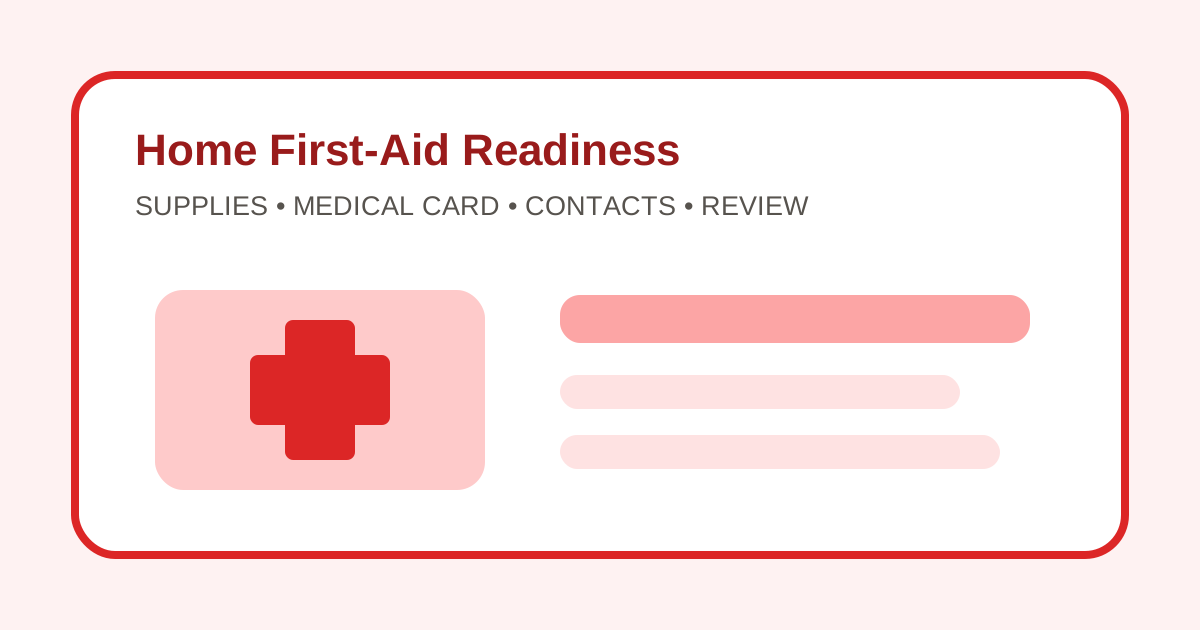
First-aid readiness checklist
- Household risks reviewed with appropriate professionals.
- Supplies selected for actual needs and understood by users.
- Medicines labeled, secured, and stored correctly.
- Chinese address, map pin, gate, building, and room verified.
- Bilingual medical card dated and reviewed.
- Emergency, insurer, clinician, and family contacts tested.
- Expiry and restocking review scheduled.
- Caregivers know the kit, emergency process, and access plan.
Health needs and emergency responses vary. This article supports preparation only and is not medical advice. Ask a qualified clinician or pharmacist about supplies and medicines, and use appropriate emergency services for serious or worsening symptoms.
Frequently asked questions
Common questions
What should I put in a first-aid kit in China?
Basic contents depend on household age, health, activities, location, and professional advice. Ask a clinician or trained first-aid provider to help select appropriate dressings, protective items, tools, and medicines.
Should the medical information card be bilingual?
A concise Chinese and English card can help communication, but it should be reviewed for accurate names, doses, allergies, conditions, contacts, and address details.
Can I store prescription medicine in the kit?
Follow the prescription and pharmacist's storage instructions, protect access from children and visitors, keep original labels, and do not share prescribed medicine.
When should I call 120?
For a serious or rapidly worsening emergency, seek appropriate urgent help. Follow dispatcher instructions and do not delay necessary care while searching for paperwork or supplies.