Healthcare
Dietitians and Nutrition Counseling in China: A Guide for Foreign Residents
Find nutrition counseling in China, verify provider scope, prepare health and food records, coordinate medical care, and manage costs and follow-up safely.
Rules and procedures can change. Check the linked official sources before acting on time-sensitive information.
Quick answer
What you need to know
Choose a qualified provider for the actual need, share reliable medical and food information, set realistic goals, and coordinate dietary changes with clinicians when health conditions or medicines are involved.
- Distinguish clinical nutrition care from general wellness coaching or product sales.
- Verify qualifications, scope, conflicts of interest, language support, fees, and recordkeeping.
- Bring diagnoses, medicines, allergies, test reports, food patterns, and practical constraints.
- Do not replace prescribed treatment or start restrictive diets or supplements without appropriate clinical advice.
Nutrition services in China range from hospital clinical-nutrition departments to private clinics, fitness programs, wellness coaches, and product sellers. The title used in marketing does not by itself show training or clinical scope, so begin with the reason you need help.
Match the provider to the need
General meal planning is different from care involving diabetes, kidney or liver disease, eating disorders, pregnancy, food allergy, childhood growth, tube feeding, surgery, or significant unexplained weight change. For a medical concern, start with an appropriate clinician or hospital department and ask who is qualified to provide the nutrition plan.
Ask the provider about professional education, registration or institutional role, supervision, experience with the relevant condition, language support, privacy, clinical records, and referral relationships. Clarify whether income comes from selling supplements, tests, meal replacements, or memberships.
Prepare reliable information
Bring diagnoses, clinician notes, medicine and supplement list, allergies, relevant complete laboratory reports, recent weight history, normal food pattern, symptoms, cooking facilities, work schedule, budget, religious or cultural requirements, and realistic goals. A short food record can help, but it need not be perfect.
Keep units and reference ranges with laboratory results. The blood test guide explains why a highlighted value is not a diagnosis. Do not stop medicine or make a major restriction merely because an app or sales report suggests it.
Agree on an understandable plan
A useful plan should explain priorities, food options available locally, portion or meal guidance, substitutions, monitoring, review date, and when to contact a clinician. Ask how advice fits restaurants, workplace meals, delivery apps, travel, and family cooking rather than accepting a plan based on unavailable foods.
If allergies are involved, remember that a translated message cannot guarantee an allergen-free meal. Use the food allergy guide for communication and emergency planning.
Be cautious with products and tests
Ask whether a supplement or test is necessary, what evidence supports it, total cost, possible risks, medicine interactions, duration, and alternatives. Verify the exact label and manufacturer through appropriate channels. Avoid promises to cure disease, guaranteed rapid weight change, or pressure to buy a large prepaid package immediately.
Discuss supplements, restrictive diets, fasting, and major weight changes with a qualified clinician, especially during pregnancy, childhood, older age, chronic disease, or prescription treatment.
Document cost and follow-up
Confirm consultation, package, cancellation, testing, product, and report fees. Ask the insurer whether referral, network status, diagnosis, preauthorization, itemized invoice, or clinical note is required. Keep receipts, advice, product labels, and follow-up dates; see the insurance claims guide.
Nutrition consultation checklist
- The medical or general purpose of the consultation is clear.
- Provider qualifications, scope, language, privacy, and conflicts are checked.
- Diagnoses, medicines, allergies, reports, food pattern, and constraints are ready.
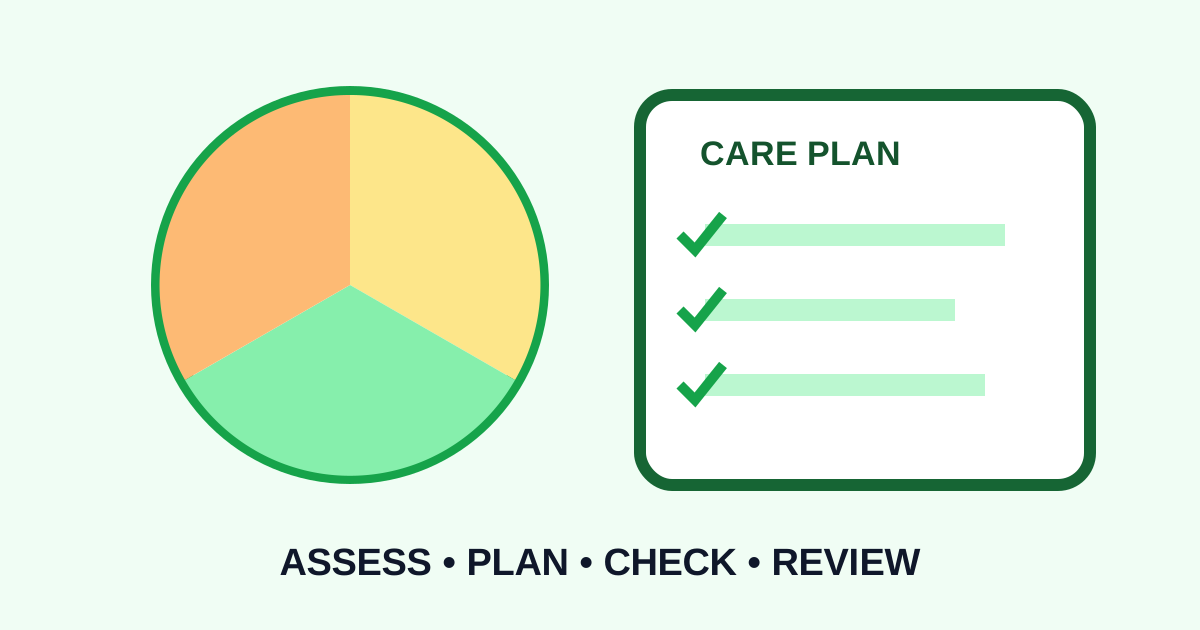
- Goals, plan, substitutions, monitoring, and review date are documented.
- Supplements and restrictive diets will be checked for clinical safety.
- Fees, insurance requirements, invoices, and cancellation rules are confirmed.
- Concerning symptoms or worsening health will return to qualified medical care.
The National Health Commission provides official health information. This guide does not provide medical or dietary treatment; confirm individualized decisions with qualified healthcare professionals.
Frequently asked questions
Common questions
Where can I find nutrition services in China?
Hospitals may have clinical nutrition departments, while private clinics and wellness businesses offer other services. Ask who provides the consultation and whether the service matches your medical needs.
Will insurance cover a dietitian appointment?
Coverage depends on diagnosis, referral, provider network, preauthorization, and policy terms. Ask the insurer and provider before booking and retain complete claim documents.
Should I bring blood-test results?
Bring relevant complete reports if a clinician requested them, including units and reference ranges. Do not order or interpret tests solely from generic online advice.
Are supplements recommended by a coach always safe?
No. Products can interact with medicines or be unsuitable for certain conditions. Discuss supplements with a qualified clinician or pharmacist who knows your medical history.