Working in China
Workplace Team Dinners and Alcohol in China: A Guide for Foreign Employees
Navigate company dinners in China with clear attendance, dietary, alcohol, transport, expense, conduct, and next-day work arrangements.
Rules and procedures can change. Check the linked official sources before acting on time-sensitive information.
Quick answer
What you need to know
Clarify whether an event is required, share dietary or accessibility needs early, set alcohol boundaries, preserve professional conduct, plan safe transport, and keep approved expense records.
- Ask whether the dinner is optional or work-related and confirm time, venue, host, guests, dress, payment, and next-day expectations.
- You can state a simple no-alcohol boundary without giving private medical or religious details.
- Professional conduct, anti-harassment, confidentiality, gifts, and expense policies still matter away from the office.
- Never drive after drinking; arrange a safe ride and seek medical help for concerning symptoms.
Team dinners can welcome a new colleague, celebrate a project, host a client, or simply build relationships. The safest approach is to treat the event as a professional setting with food, travel, and cultural details added.
Clarify the invitation
Ask for the purpose, host, guest list, venue in Chinese, start and expected finish time, seating or dress expectations, and whether attendance is optional or part of work. Confirm whether partners or family are invited and whether the team returns to work afterward.
If the event affects working time, overtime, transport, or next-day attendance, ask HR or your manager how company policy applies. Employment treatment varies; confirm legal questions with HR, the competent labor authority, or a qualified adviser rather than relying on informal custom.
Share practical needs early
Tell the organizer about allergies, dietary requirements, accessibility needs, pregnancy-related needs, or a required departure time with enough notice for planning. You do not need to broadcast a diagnosis; use the employer’s confidential accommodation process where appropriate.
For serious food allergies, carry your established emergency plan and verify dishes carefully. The food allergy guide provides a bilingual planning approach, while the workplace severe allergy guide covers employer coordination.
Set an alcohol boundary
Decide before arriving whether you will drink. A direct, friendly statement such as “I don’t drink, but I’ll toast with tea” reduces ambiguity. Keep a non-alcoholic beverage in hand and repeat the same boundary rather than inventing a changing explanation.
Never mix alcohol with medicine based on a colleague’s reassurance. Ask a clinician or pharmacist about interactions. Do not drive after drinking, ride with an impaired driver, or use an e-bike or bicycle when impaired. Arrange a taxi or ride-hailing option and share the route with a trusted person if appropriate.
If someone is difficult to wake, has abnormal breathing, collapses, or shows another concerning symptom, seek emergency medical help. Do not assume they only need sleep. This is general safety information, not medical advice.
Keep professional boundaries
Company conduct, confidentiality, harassment, social-media, gifts, and client policies can apply at an off-site meal. Avoid discussing sensitive employee, customer, pricing, product, or government information where it may be overheard. Do not photograph or post colleagues without consent.
If conduct crosses a boundary, move to safety, contact a trusted person, and preserve a factual record. The workplace harassment reporting guide explains documentation and internal reporting options.
Confirm payment and transport
Before ordering special items, understand who pays and whether a budget or approval applies. If you are responsible for expenses, request the correct itemized receipt and fapiao details and follow the employer’s process. See the work expense reimbursement guide for record keeping.
Save the venue address, last public transport time, ride-hailing pickup point, hotel details if relevant, and an emergency contact. Leave when you need to; tell the host or a teammate rather than disappearing from an unfamiliar venue.
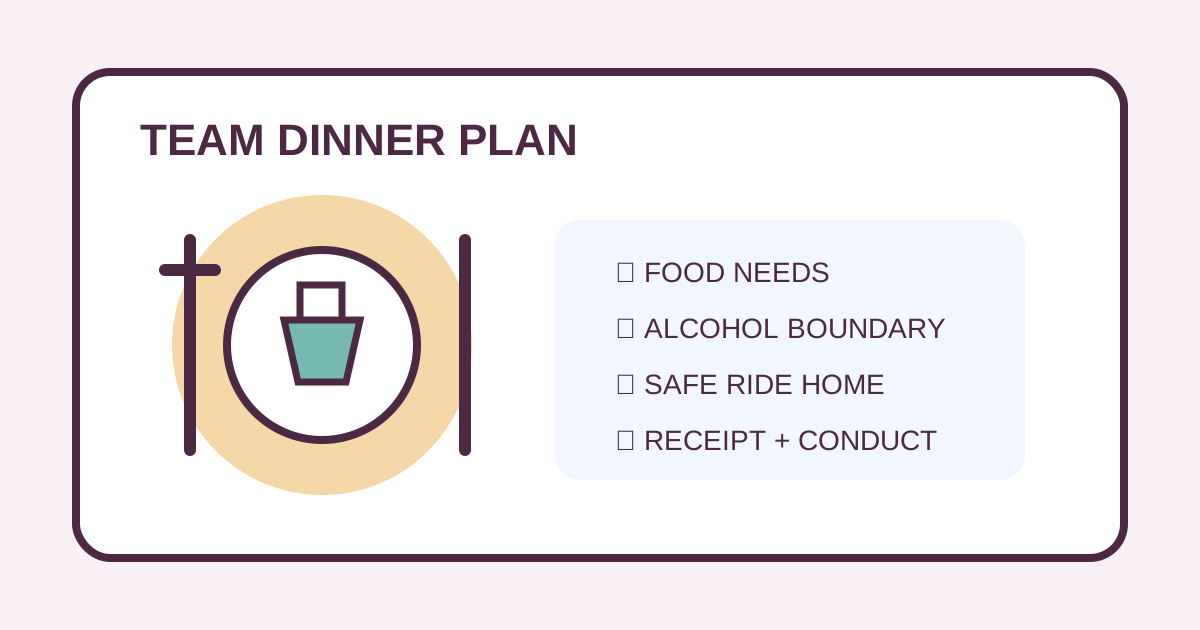
Team dinner checklist
- Purpose, attendance, guests, venue, and timing confirmed.
- Dietary, accessibility, and departure needs shared.
- Alcohol boundary and non-alcoholic option planned.
- Safe transport home arranged.
- Conduct and confidentiality policies remembered.
- Payment, budget, fapiao, and approval clarified.
- Emergency and trusted contacts available.
- Any incident documented through the proper channel.
Company practices and employment rules differ. Confirm work-time, expense, conduct, accommodation, and reporting questions with HR, the competent authority, or an appropriate professional adviser.
Frequently asked questions
Common questions
Do I have to drink alcohol at a company dinner in China?
Do not assume that you do. State your boundary clearly and choose a non-alcoholic drink. If you are pressured or worried about workplace consequences, consult HR or an appropriate adviser about the specific situation.
How do I decline without explaining a medical condition?
A brief statement such as 'I don't drink, but I'm happy to toast with tea' is enough in many settings. Share health information only through an appropriate confidential process when an accommodation is needed.
Who pays for a team dinner?
Ask before the event whether the host, employer, department, or individuals pay, what limit applies, who requests the fapiao, and whether reimbursement approval is required.
What if inappropriate behavior occurs?
Prioritize safety, write a factual timeline, preserve relevant messages and receipts, and use the employer's reporting process or seek professional guidance.