Healthcare
Storing Temperature-Sensitive Medicine in China: A Practical Guide for Foreign Residents
How foreign residents can plan refrigeration, temperature monitoring, power outages, transport, refills, and clinician-reviewed backups for sensitive medicine in China.
Rules and procedures can change. Check the linked official sources before acting on time-sensitive information.
Quick answer
What you need to know
Follow the exact labeled storage range, use monitored and protected storage, prepare for outages and travel, and have a clinician or pharmacist review every backup plan.
- Use the product label and clinician or pharmacist instructions for the exact medicine and device.
- Keep medicine away from freezing surfaces, heat, light, moisture, food spills, and unauthorized access.
- Monitor storage conditions and document significant temperature excursions.
- Prepare a professionally reviewed outage, transport, refill, and emergency replacement plan.
Some medicines and diagnostic products must stay within a defined temperature range. China’s hot summers, winter heating, travel days, and apartment power interruptions make a written storage plan worthwhile—but the correct range is product-specific.
Start with product-specific instructions
Keep the original packaging, label, batch details, expiry date, prescription, and patient information. Ask the dispensing pharmacist or treating clinician to confirm the required storage range, protection from light or moisture, in-use limits, and what counts as a temperature excursion.
Do not substitute online anecdotes for the instructions for your exact brand, strength, presentation, and device. This guide is organizational information, not medical advice.
Set up reliable home storage
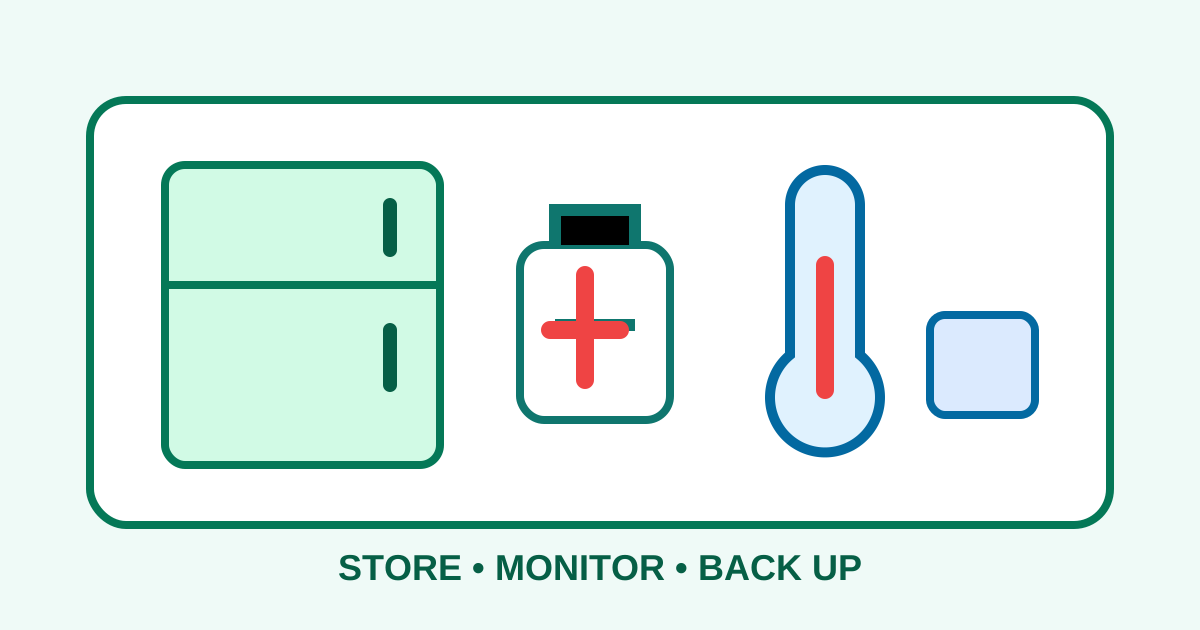
Choose a stable location recommended by a pharmacist, away from freezer plates, refrigerator doors, food spills, children, and anyone who might move or discard the medicine. Use a suitable thermometer or logger if the care team recommends one, and record readings consistently.
Keep a bilingual note stating that the item is medicine and must not be frozen, heated, or unplugged. Check the power and water outage guide when building the household response plan.
Prepare for outages and equipment failure
Write down whom to contact: pharmacy, manufacturer medical-information line, treating clinic, insurer, building management, and an alternative pharmacy. Maintain only the professionally recommended transport container and coolant setup; direct contact with frozen packs can damage some products.
During an outage, avoid repeatedly opening storage. Record start and end times plus measured temperatures. Do not discard or use affected medicine solely by guesswork—quarantine it as instructed and obtain product-specific professional advice.
Plan trips and refills
Before travel, ask the clinician or pharmacist about journey duration, security screening, original packaging, prescription letters, spare supplies, destination storage, and emergency replacement. Confirm hotel refrigeration directly; a minibar may not meet medical storage needs.
Coordinate refills early and keep prescriptions and receipts. The prescription refill guide helps organize continuity of care.
Medicine storage checklist
- Exact label and professional storage instructions retained.
- Batch, expiry, prescription, and supplier recorded.
- Storage location protected from freezing, heat, light, and access.
- Monitoring method and review frequency agreed.
- Outage contacts and excursion log ready.
- Backup container professionally reviewed.
- Travel and destination storage confirmed in advance.
- Refill and emergency replacement route documented.
The National Health Commission and National Medical Products Administration are official national sources. For any temperature excursion, symptoms, dose question, or replacement decision, contact a qualified clinician, pharmacist, manufacturer, or emergency service as appropriate.
Frequently asked questions
Common questions
Can I store medicine in the refrigerator door?
Door temperatures can fluctuate. Ask a pharmacist where the specific product should be placed, keep it away from freezing surfaces, and follow its official label rather than a general rule.
Is medicine still usable after a power outage?
Do not decide from appearance alone. Record the outage duration and measured temperatures, preserve the product as instructed, and ask the dispensing pharmacy, manufacturer, or treating clinician.
Can I use ice packs while traveling?
Some products can be damaged by direct contact with frozen packs. Use the manufacturer-approved transport method and have a pharmacist or clinician confirm the setup.
Should I bring extra medicine on a domestic trip?
Ask your clinician about a safe reserve, prescriptions, documentation, storage, security checks, and refill options. Do not change doses or duplicate treatment without medical guidance.