Healthcare
Specialist Referrals and Follow-Up Care in China: A Guide for Foreign Patients
How foreign patients in China can prepare for specialist visits, organize referrals, records, imaging, medication lists, insurance approval, follow-up questions, and care handoffs.

Rules and procedures can change. Check the linked official sources before acting on time-sensitive information.
Quick answer
What you need to know
Make specialist care easier to navigate by confirming the department and doctor, preparing a concise bilingual record pack, checking insurance, and leaving with a written follow-up plan.
- Confirm the hospital, campus, department, doctor, appointment type, and whether a formal referral is needed.
- Bring a concise symptom timeline, medication and allergy list, prior reports, images, and questions.
- Check insurance authorization and network rules before non-emergency tests or treatment.
- Before leaving, confirm results, medicines, warning signs, next visit, and who receives the records.
Seeing the right specialist is only one part of care. The handoff matters: why you are going, which records arrive, what the insurer approved, and what you are expected to do after the visit.
This guide supports organization and communication. It is not medical advice and does not diagnose symptoms. Seek urgent care for an emergency and confirm clinical decisions with a qualified doctor.
Confirm the destination
Large hospitals may have multiple campuses, departments, service levels, and doctors with similar specialty labels. Confirm the Chinese and English hospital name, campus, building, department, clinician, appointment date, registration route, and arrival time.
Ask whether you need a referral note, test results, fasting, medication changes, or an interpreter. Do not stop medicines or delay urgent care merely to prepare paperwork. The doctor visit guide explains common registration steps.
Build a one-page clinical summary
List the main concern, when it began, what makes it better or worse, important previous diagnoses or procedures, current medicines and doses, allergies and reactions, pregnancy possibility where relevant, and the question you want answered. Use exact dates instead of “recently.”
Bring prior reports and ask whether the actual imaging files, pathology material, or laboratory data are needed. Keep originals organized and note every item handed over. The lab results guide offers a useful tracking format.
Check cost and authorization
Before non-emergency care, ask the hospital for an estimate and your insurer about network status, referral rules, preauthorization, direct billing, exclusions, and claim documents. Clinical needs and insurance approval are different decisions; discuss both without letting administration delay emergency treatment.
Use the medical insurance claims guide to preserve invoices, itemized charges, and clinical documents.
Close the loop before leaving
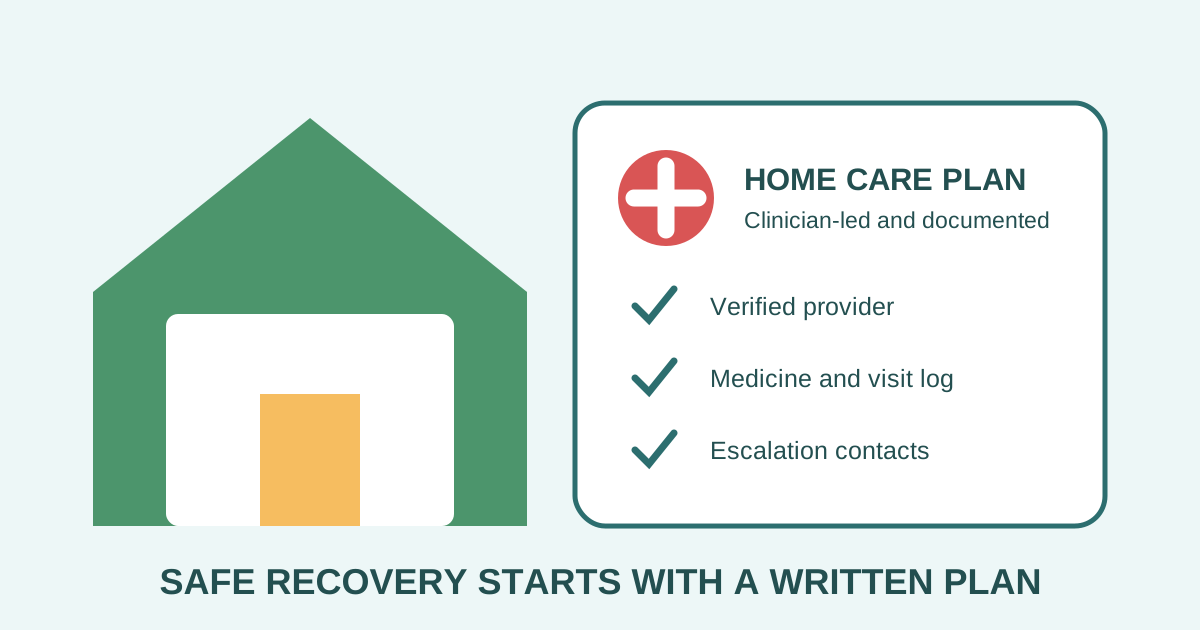
Ask the clinician to explain the assessment, what remains uncertain, pending results, medicine changes, tests, warning signs, activity or dietary restrictions, and follow-up date. Use teach-back: repeat the plan in your own words and invite correction.
Confirm how results will arrive and which department answers questions. If another hospital, family doctor, or overseas clinician will continue care, request a suitable summary and copies of key records.
Specialist visit checklist
- Hospital, campus, department, doctor, and appointment route are confirmed.
- Referral, preparation, fasting, and interpreter requirements are checked.
- Symptom timeline, medicines, allergies, and questions fit on one page.
- Reports, images, pathology, and lab data are organized and indexed.
- Insurance network, authorization, estimate, and claim needs are known.
- Diagnosis or assessment, uncertainties, and pending results are recorded.
- Medication changes, warning signs, restrictions, and follow-up are understood.
- A care summary is available for the next responsible clinician.
Official reference points
Medical access, referral pathways, and insurance procedures vary. Confirm current requirements directly with the hospital, insurer, doctor, and a qualified interpreter when needed.
Frequently asked questions
Common questions
Do patients in China always need a referral to see a specialist?
Not always. Access depends on the hospital, department, appointment route, insurance plan, and clinical situation. Confirm requirements with both the hospital and insurer.
Should I bring the actual medical images or only the report?
Ask the receiving department. A specialist may need the original image files or films as well as the written report, and formats may not transfer automatically between hospitals.
Can a translator make medical decisions for me?
A translator can support communication but should not replace informed discussion with the clinical team or an authorized decision-maker. Clarify confidentiality, role, and consent.
What should be written in a follow-up plan?
Record the working diagnosis, pending results, medication changes, tests, warning signs, restrictions, next appointment, responsible department, and contact route for urgent questions.