Healthcare
Physiotherapy and Rehabilitation in China: A Practical Guide for Foreigners
How foreign residents can arrange physiotherapy and rehabilitation in China, compare providers, prepare records, confirm costs and insurance, and manage a safe follow-up plan.
Rules and procedures can change. Check the linked official sources before acting on time-sensitive information.
Quick answer
What you need to know
Choose rehabilitation care around a qualified clinical assessment, clear goals, communication, documented progress, realistic scheduling, and confirmed payment or insurance arrangements.
- Seek an appropriate clinical assessment before self-treating a new, severe, or worsening problem.
- Ask who will deliver care, what the goals are, how progress will be measured, and when the plan will be reviewed.
- Confirm referral, authorization, invoice, and claim-document requirements before a course of treatment.
- Keep exercise instructions and records portable if you travel, relocate, or change providers.
Rehabilitation may follow an injury, operation, stroke, chronic condition, pregnancy, workplace strain, or sports problem. In China, options can include hospital rehabilitation departments, community facilities, sports-medicine services, and private clinics. The right route depends on clinical need, qualifications, language, location, cost, and continuity.
This guide helps you organize care; it does not diagnose a condition or prescribe exercises. Seek prompt medical attention for severe pain, major trauma, sudden weakness, loss of function, breathing difficulty, or other urgent symptoms.
Start with an appropriate assessment
Bring a symptom timeline, diagnoses, operation notes, imaging and reports, medicine list, allergies, previous treatment, and functional goals. Ask whether a physician assessment, referral, or additional testing is appropriate. The specialist referral guide can help organize the clinical handoff.
Ask who is responsible for the plan and who will conduct each session. Confirm relevant professional background, supervision, infection-control practices, emergency procedures, and experience with your condition.
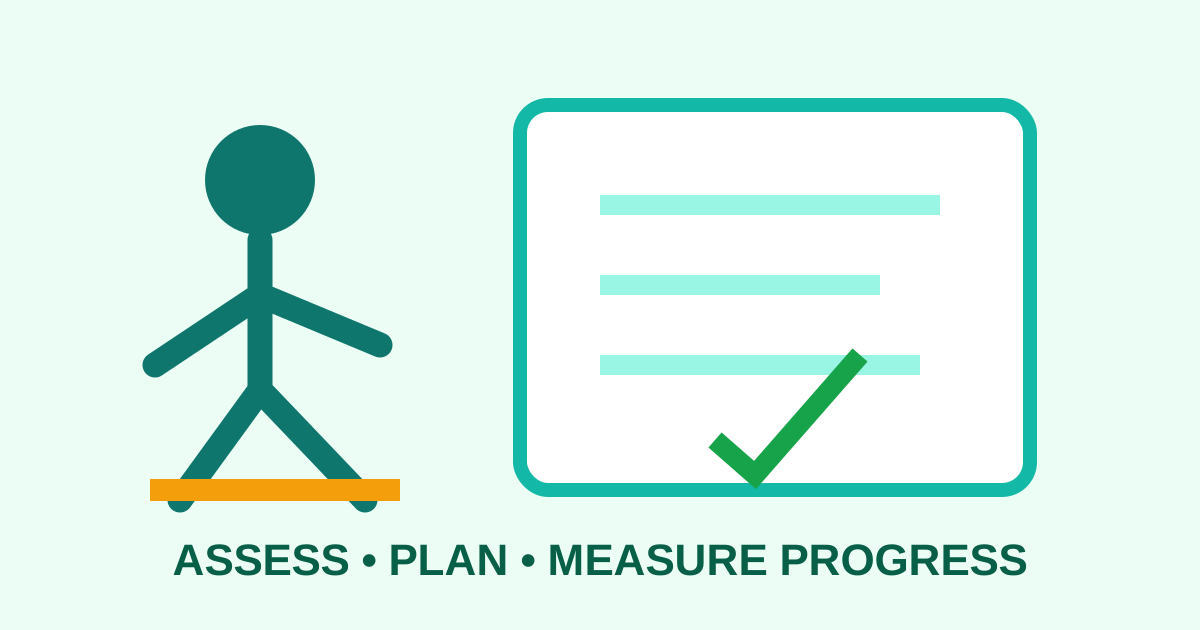
Define measurable goals and review points
Useful goals are functional: walking a certain distance, returning to stairs, working without a symptom flare, improving safe range of motion, or completing a home routine correctly. Ask how baseline function will be recorded and when progress will be reassessed.
A treatment plan should explain session frequency, expected duration, home exercises, precautions, possible discomfort, reasons to stop, and the next clinical review. Do not continue a technique you do not understand or consent to.
Plan language and daily logistics
Arrange professional interpretation for complex assessments when needed. Ask for exercise names, repetitions, frequency, equipment, and precautions in writing or in an approved demonstration video. Confirm accessibility, changing facilities, appointment length, cancellation fees, and whether a companion may attend.
Rehabilitation works only if the schedule is sustainable. Consider commute time, work hours, childcare, public holidays, and travel. The public transport guide may help when choosing a location.
Confirm payment and insurance before a course
Ask the clinic for an itemized estimate covering assessment, sessions, equipment, supplies, imaging, and physician reviews. Ask the insurer separately about network status, referral, preauthorization, session caps, exclusions, copayment, and required invoice or medical documents.
Retain prescriptions or referrals, clinical notes, progress reports, itemized bills, invoices, and payment evidence. See the medical insurance claims guide for a reusable claim file.
Rehabilitation checklist
- New or worsening symptoms have received an appropriate clinical assessment.
- Diagnosis, reports, images, operations, medicines, and allergies are summarized.
- Provider qualifications, supervision, language support, and facilities are checked.
- Functional goals and baseline measures are written down.
- Session plan, home exercises, precautions, and stop signs are understood.
- Referral, preauthorization, coverage limits, invoices, and fees are confirmed.
- Progress-review dates and escalation routes are scheduled.
- Records are portable for travel, relocation, or a second opinion.
Official reference points
Clinical services, provider roles, and insurance procedures vary. Follow qualified clinicians’ advice and confirm current administrative requirements with the treating institution and insurer.
Frequently asked questions
Common questions
Do I need a doctor's referral for physiotherapy in China?
Provider and insurer rules differ. Ask both the clinic and insurer whether a referral, diagnosis, imaging report, or preauthorization is required.
How do I compare rehabilitation providers?
Compare professional qualifications, clinical oversight, experience with your condition, language support, facilities, location, scheduling, fees, and progress-review process.
Will international insurance cover physiotherapy?
Coverage varies by policy and reason for treatment. Confirm limits, exclusions, network rules, referral requirements, preauthorization, and invoice documentation in writing.
Can I rely on translated exercise videos?
Use only instructions approved for you by a qualified clinician. Ask for written or video guidance that clearly states frequency, technique, precautions, and when to stop.