Daily Life
Building Water Tank Cleaning and Outages in China: A Guide for Foreign Residents
Prepare for apartment water tank cleaning, planned shutoffs, pressure changes, and post-restoration flushing in China.
Rules and procedures can change. Check the linked official sources before acting on time-sensitive information.
Quick answer
What you need to know
A practical plan for reading building notices, storing sensible backup water, protecting appliances, and documenting problems after service returns.
- Confirm the shutoff window, affected water types, and restoration estimate with property management rather than relying on a forwarded chat message.
- Store a reasonable amount of potable water in clean food-grade containers and keep separate water for hygiene.
- Pause appliances that draw water and follow building or utility instructions before restarting them.
- After restoration, report persistent discoloration, odor, sediment, or low pressure and seek official advice before drinking questionable water.
Many residential compounds use tanks, pumps, or secondary water-supply systems. Cleaning or maintenance may require a planned shutoff, while restoration can temporarily change pressure or water appearance. Treat the building notice as an operations plan, not background noise.
Verify the notice
Ask property management to confirm the date, start and expected end time, buildings and floors affected, whether hot and cold water are both interrupted, and what residents should do before and after service. Save a screenshot of the official notice and the property desk contact. The building notices guide explains how to avoid missing compound updates.
If the outage was not announced, check whether neighbors are affected. A unit-only problem may involve a local valve, frozen pipe, arrears, or maintenance issue and needs a different response.
Prepare without overstocking
Fill clean, food-grade containers with a sensible supply for drinking and cooking, plus separate water for handwashing and toilet needs. Account for infants, older relatives, pets, medication routines, and anyone with a health condition. Keep heavy containers low and stable.
Pause washing machines, dishwashers, water heaters, filters, ice makers, and other connected appliances as their manuals or building instructions require. Do not operate pumps or valves you do not control.
Check service after restoration
Follow the property’s flushing instructions. Start gently at a designated cold-water tap if advised, watch for leaks, and avoid immediately running several appliances. Photograph persistent discoloration or sediment against a light background and record the time, floor, and affected taps.
Water arrangements and standards are locally administered. Use the relevant local water utility and government service channel; the State Council’s English services portal is a starting point for official public-service information. For any health concern, contact a doctor or local health authority rather than relying on appearance alone.
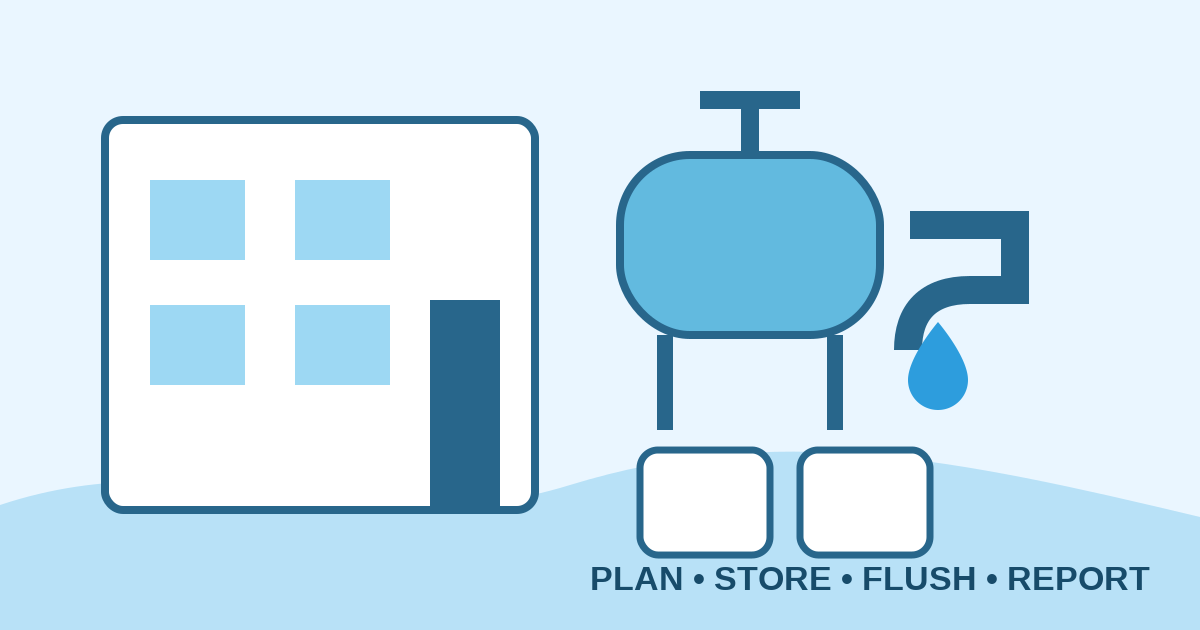
Planned water outage checklist
- Verify the official notice and affected building or floors.
- Record the shutoff and expected restoration times.
- Store modest drinking and hygiene supplies safely.
- Pause water-dependent appliances as instructed.
- Keep taps closed unless the notice says otherwise.
- Follow the stated flushing and restart sequence.
- Document persistent odor, color, sediment, leaks, or low pressure.
- Report unresolved issues through verified property and utility channels.
Frequently asked questions
Common questions
Can I drink tap water immediately after a building tank is cleaned?
Follow the local water supplier and property-management notice. If water remains discolored, has an unusual odor, or contains sediment, do not assume it is potable; report it and obtain local guidance.
How much backup water should I store?
Base the amount on the announced duration, household size, weather, and health needs. Use clean food-grade containers and avoid excessive stockpiling that creates lifting or storage hazards.
Why is water pressure low after service returns?
Restoration may be gradual, or air and sediment may affect fixtures. Follow the building's flushing instructions and report persistent low pressure or leaks to property management.
Who should I contact about an unannounced outage?
Start with the property desk to determine whether the issue affects your unit, building, or district, then use the local water utility's verified service channel if needed.