Daily Life
Apartment Mailboxes and Building Notices in China: A Guide for Foreign Residents
Manage apartment mailboxes, property notices, registered letters, access messages, and address changes while renting or owning a home in China.

Rules and procedures can change. Check the linked official sources before acting on time-sensitive information.
Quick answer
What you need to know
A practical routine for checking physical and digital building communications, protecting private mail, and documenting time-sensitive notices.
- Ask which mailbox, app, mini-program, group, noticeboard, and intercom channels the property office actually uses.
- Confirm how registered or official mail is delivered and whether property staff may sign for anything on your behalf.
- Translate and verify time-sensitive notices about utilities, access, safety, fees, construction, or inspections.
- Update the landlord, property office, senders, and relevant authorities when your address or occupancy changes.
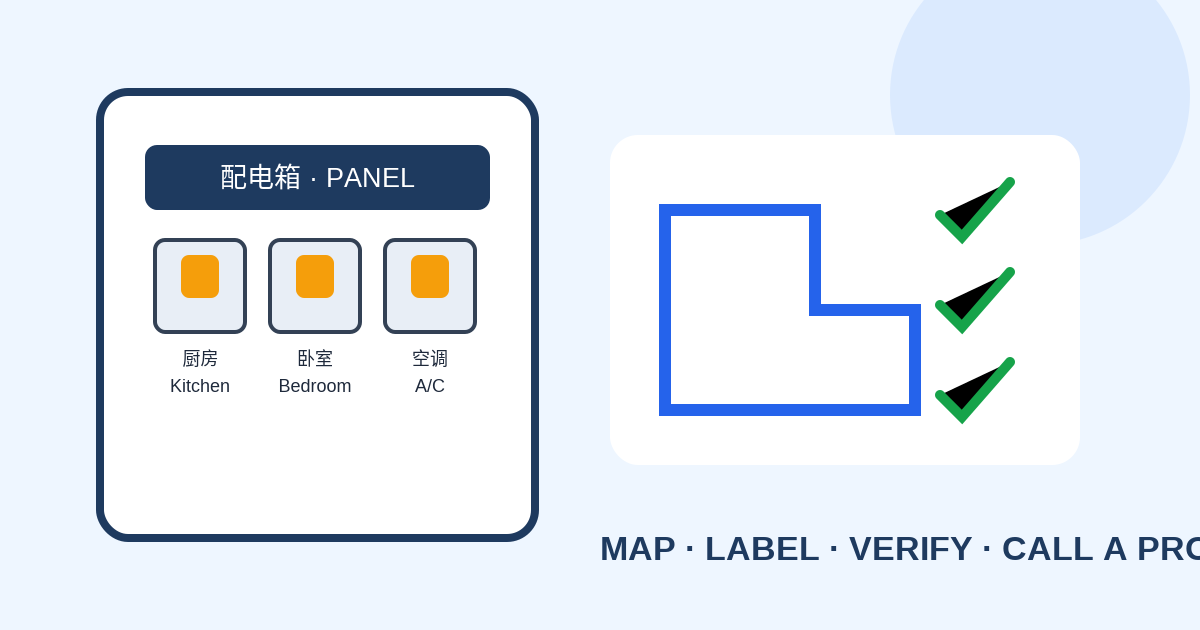
Important residential messages do not always arrive in the same place. A water shutdown may be posted in a lift, a fire inspection sent through a property app, and a registered letter held at reception. Map the channels before a deadline is missed.
Audit the building’s channels
Ask the property office to identify your mailbox and key, reception or mailroom, parcel lockers, noticeboards, intercom, resident app or mini-program, and official messaging group. Confirm whether notices go to the tenant, registered owner, landlord, or all three. The property management guide explains how to record the office’s contacts and service boundaries.
Check how ordinary letters, registered items, government or court documents, bank cards, and deliveries requiring identification are handled. Do not assume reception can accept every item. For sending and address formats, use the postal and mailing guide.
Triage notices safely
Review the issuer, date, apartment or building number, deadline, fee, contact, and requested action. Common notices concern utility interruptions, elevator work, pest treatment, fire checks, parking, access systems, renovation, property fees, or severe weather. Photograph the complete notice before it is removed.
Treat QR codes, payment requests, and urgent account messages cautiously. Verify them through a known property-office number rather than the contact printed on a suspicious paper. The scam prevention guide provides a verification checklist.
Protect mail and update occupancy
Keep mailbox and collection credentials secure. Collect sensitive items promptly and do not open mail addressed to another person. If the mailbox is damaged or accessible to others, report it in writing and request a repair or alternate delivery method.
When moving, return keys, leave no private documents behind, and update relevant senders. Follow the address-update checklist and confirm how mail arriving after handover will be handled.
Mail and notice checklist
- Identify the mailbox, reception, lockers, boards, apps, and groups.
- Save property-office and after-hours contact details.
- Confirm rules for registered, official, and ID-verified items.
- Check physical and digital notices on a regular schedule.
- Translate and verify issuer, deadline, fee, and required action.
- Verify QR codes and payment instructions independently.
- Report insecure boxes or missing keys in writing.
- Update address records and return mailbox credentials at move-out.
Frequently asked questions
Common questions
Do apartments in China always have individual mailboxes?
No. Arrangements vary by building and may include a locked box, reception desk, property office, parcel room, smart locker, or direct delivery. Ask property management which channels apply to letters and official items.
Can property staff sign for registered mail?
Policies and delivery requirements vary. Confirm in writing whether staff accept registered or official items, how recipients are notified, and what identification is required for collection.
What if I cannot read a Chinese building notice?
Photograph the full notice, date, issuer, seal or contact details, and deadline. Use a trusted translation method, then verify important instructions directly with the property office or named authority.
What should I do with mail for a former tenant?
Do not open it. Ask the property office or postal provider about the appropriate return or handling process and notify your landlord if the issue continues.