Family & Education
School Buses and Student Transport in China: A Family Safety Checklist
A practical checklist for foreign families comparing school buses and student transport in China, covering routes, guardians, delays, handoffs, fees, and emergencies.
Rules and procedures can change. Check the linked official sources before acting on time-sensitive information.
Quick answer
What you need to know
Verify the operator, route, supervision, child handoff, delay communication, emergency plan, fees, and backup transport before relying on a school-bus service.
- Treat route convenience and child handoff as carefully as price and journey time.
- Ask who operates, supervises, contacts families, and makes decisions during delays or emergencies.
- Give the school current authorized-adult, allergy, medical, language, and emergency information.
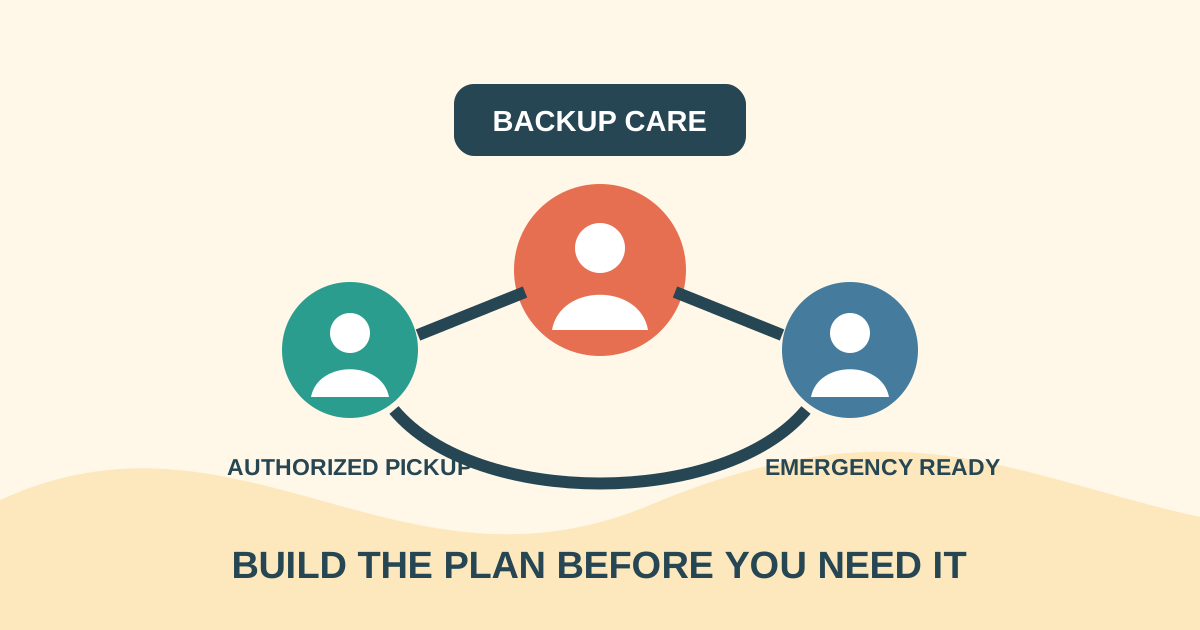
- Practice a backup plan for missed buses, severe weather, traffic disruption, and caregiver changes.
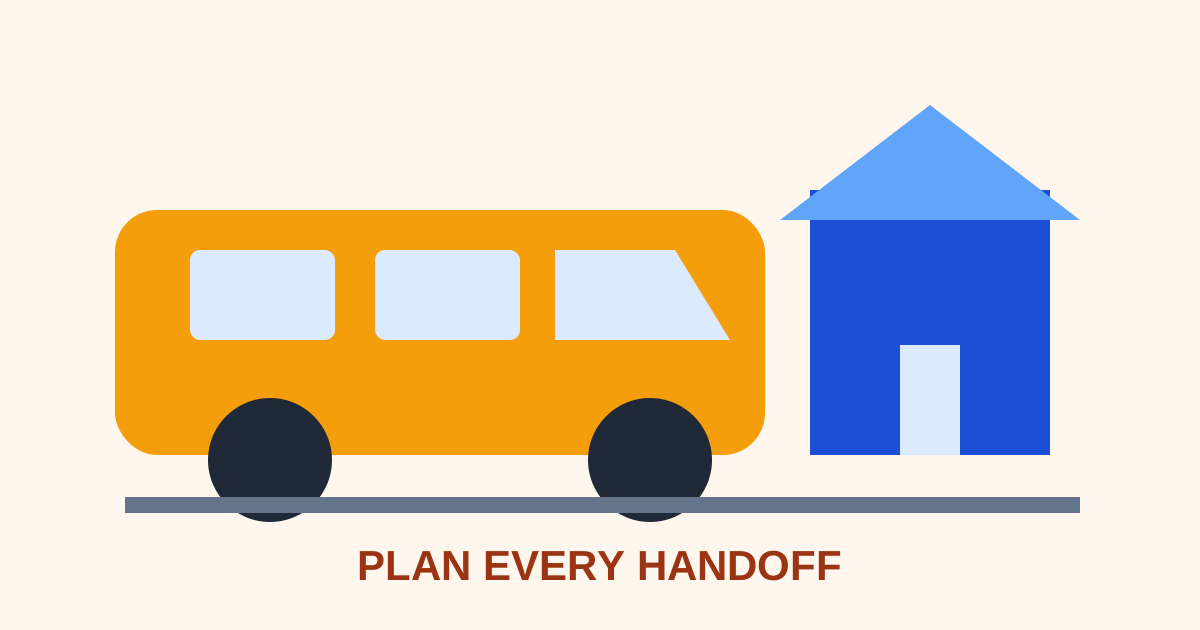
A school bus can simplify family life, but it also creates two daily handoffs and a moving chain of responsibility. Review the service as an operating system: operator, vehicle, supervisor, route, communication, release rules, and backup plan.
Compare the real route
Ask for the stop location, morning pickup window, afternoon drop-off window, typical and maximum journey, first and last service dates, and route-change rules. Visit the stop at the relevant time to check lighting, traffic, shelter, and safe waiting space.
Compare the total day with the school selection planner, especially for younger children or long cross-city commutes.
Verify people and responsibilities
Ask whether the school or a contractor operates the service, who supervises children, who checks attendance, how drivers and attendants are assigned, and which person contacts parents. Request the current rules rather than relying on another family’s past experience.
Confirm how the service handles seat belts or child restraints, behavior, illness during travel, lost items, vehicle breakdown, severe weather, and traffic delays.
Design a safe handoff
Give the school an updated list of authorized adults with phone numbers and identification details if requested. Understand whether a child may leave alone, how a one-day caregiver change is approved, and what happens if the receiving adult is late.
Teach the child not to follow an informal last-minute change. Use the school’s official communication route.
Share essential child information
Provide relevant allergy, medication, mobility, communication, sensory, and emergency information through the school’s approved process. Ask what the bus team can and cannot do medically and how it contacts emergency services.
Discuss individual medical needs with the child’s clinician and school; an online checklist cannot establish a safe care plan.
Family transport checklist
- Route, stops, times, term dates, and fees are written.
- Operator, driver, attendant, and school contacts are saved.
- Attendance and child-release rules are understood.
- Authorized adults and emergency contacts are current.
- Relevant health and communication needs are documented.
- Delay and breakdown notifications are enabled.
- Child carries an age-appropriate contact card.
- Backup pickup and weather plans are practiced.
Keep school calendars and transport notices together using the school communication guide.
Official reference points
Transport rules, licensing, and school procedures can vary by location and provider. Ask the school and relevant local authorities to confirm current requirements.
Frequently asked questions
Common questions
Does every school in China provide bus transport?
No. Availability, eligibility, routes, stops, operators, and fees differ by school and term. Confirm the current written service details directly with the school.
Can a child be released without an adult at the stop?
That depends on the school's age and authorization policy. Give written instructions, list approved adults, and understand what happens if nobody is present.
What should parents ask about a long school-bus route?
Ask about scheduled and typical travel time, supervision, seat assignment, rest or toilet contingencies, live updates, behavior rules, and how route changes are approved.
What happens when a school bus is delayed?
The school's written procedure should identify the communication channel, escalation contact, supervision arrangements, and pickup alternatives. Save those contacts before the first trip.