Family & Education
Preschool and Kindergarten in China: An Enrollment Guide for Foreign Families
A practical guide to comparing preschool and kindergarten options in China, preparing documents, checking daily routines, fees, health rules, and withdrawal terms.
Rules and procedures can change. Check the linked official sources before acting on time-sensitive information.
Quick answer
What you need to know
Compare eligibility, supervision, language, daily routines, health procedures, fees, and exit terms before paying, then keep a complete enrollment and pickup record.
- Confirm that the program can enroll your child and ask which authority or license applies.
- Observe arrival, supervision, meals, naps, toileting, illness response, and pickup controls.
- Get tuition, deposits, optional charges, refunds, and notice periods in writing.
- Prepare identity, residence, health, vaccination, emergency, and authorized-pickup records early.
Preschool and kindergarten choices in China vary widely in language, curriculum, hours, facilities, fees, and enrollment rules. A polished tour is useful, but daily routines, staffing, health procedures, and written contract terms matter more for long-term family life.
Clarify the program type and eligibility
Ask the institution for its Chinese and English legal names, address, age range, program type, operating approval, and the authority responsible for oversight. Confirm whether it can enroll a child with your family’s nationality and residence documents. Requirements can differ by city and district, so rely on the current written list from the school and local authority.
The Ministry of Education publishes national policy and contact information through its official website. Local education departments are the practical source for city-specific eligibility.
Observe an ordinary day
Tour during normal operating hours if possible. Watch arrival, classroom transitions, outdoor play, meals, naps, toileting, cleaning, ventilation, and pickup. Ask about staff-to-child arrangements, substitute cover, language used with children and parents, settling-in periods, behavior guidance, and how incidents are documented.
Discuss food allergies, medicine, fever, injury, infectious illness, and return-to-school rules. The school illness guide and school meal allergy plan provide focused checklists.
Audit the full price
Request a written fee schedule covering application, tuition, meals, bus, uniforms, bedding, materials, activities, trips, photos, holiday programs, late pickup, and deposits. Ask which charges are optional, whether an official invoice is available, and how payment dates align with the school calendar.
Read notice, withdrawal, absence, closure, transfer, and refund clauses before paying. Avoid relying on a salesperson’s verbal promise. Keep the brochure or fee quotation that was in effect when you enrolled, the signed agreement, payment evidence, and correspondence.
Build the enrollment file
The school may request child and parent passports, visa or residence records, accommodation evidence, birth or relationship documents, photos, health examination, vaccination history, insurance, emergency contacts, and authorized pickup details. Ask whether translations, notarization, or particular photo sizes are needed.
Keep digital and paper copies. Use consistent passport spelling across every form; the name consistency guide explains why small differences can create later friction.
Plan communication and pickup
Ask which app or parent group carries official notices and how urgent messages are sent. Record the lead teacher, administration, nurse or health contact, bus contact, and emergency number. Make sure more than one parent or guardian can access essential messages.
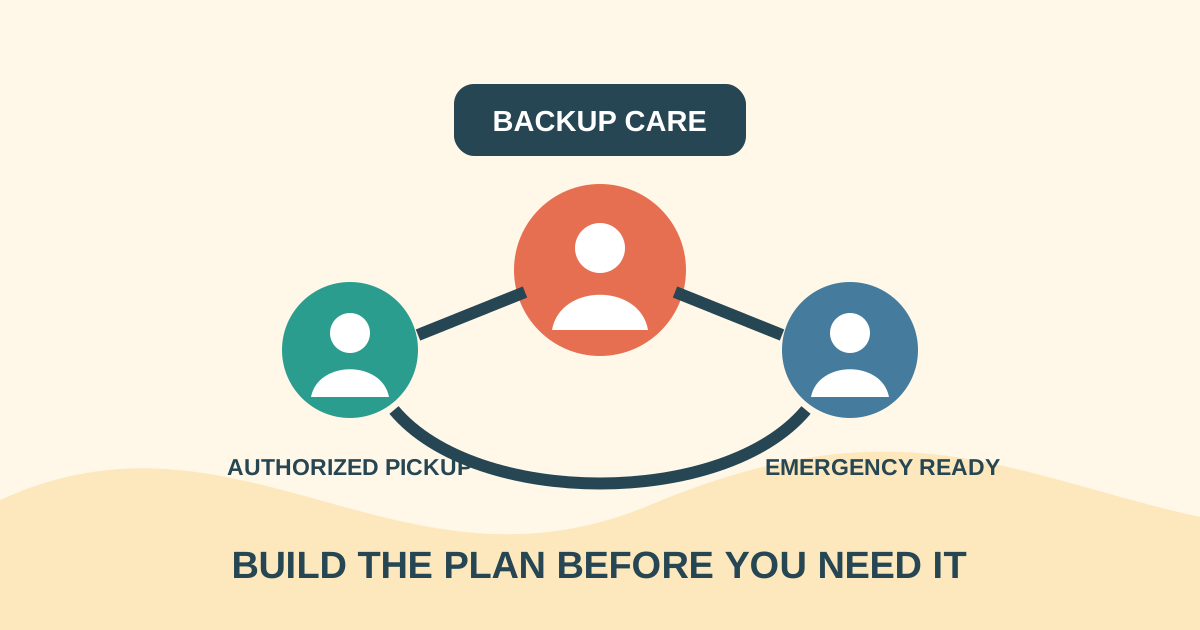
Provide an authorized-pickup list and ask how temporary changes are verified. Review the emergency guardian guide before the first day.
Preschool enrollment checklist
- Program identity, approval, age range, and eligibility confirmed.
- Ordinary classroom, meals, nap, toileting, and outdoor routines observed.
- Staffing, language, settling-in, and incident reporting discussed.
- Health, allergy, medicine, and absence rules collected.
- Complete fees, invoice, notice, refund, and closure clauses reviewed.
- Passports, residence, address, relationship, health, and vaccination records prepared.
- Parent communication and authorized pickup tested.
- Signed agreement, receipts, handbook, and current fee sheet saved.
Official reference point
Rules differ locally and can change. Confirm eligibility, documents, fees, health procedures, and supervision directly with the institution and relevant local education authority.
Frequently asked questions
Common questions
Can a foreign child attend a local kindergarten in China?
Eligibility and document requirements vary by city, district, institution type, age, residence status, and available places. Confirm directly with the kindergarten and local education authority.
What documents are commonly requested?
Schools may request passports, residence documents, address evidence, birth or relationship records, photos, health examination or vaccination records, emergency contacts, and translated copies. Obtain the school's current list.
What fees should parents ask about?
Ask about tuition, meals, transport, uniforms, materials, activities, deposits, late pickup, holiday care, payment schedule, invoices, notice periods, and refund rules.
How should pickup authorization work?
Provide written authorized-adult details and ask how identity, last-minute changes, transport handoff, and emergencies are verified. Never rely only on an informal chat message.