Daily Life
Apartment Safety in China: Gas, Electricity, Water Leaks, Locks, Repairs, and Landlord Records
A practical English guide for foreign renters improving apartment safety in China, including gas, electricity, water leaks, locks, repairs, smoke alarms, property management, landlord records, and emergency contacts.
Rules and procedures can change. Check the linked official sources before acting on time-sensitive information.
Quick answer
What you need to know
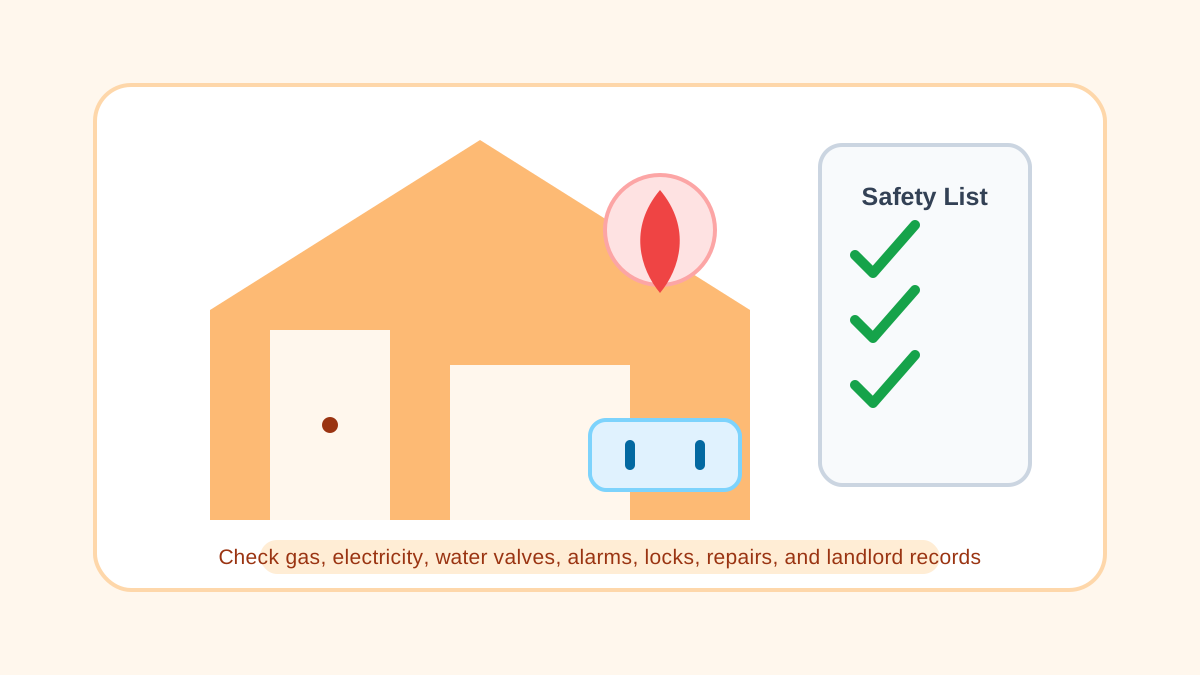
Foreign renters in China should check gas, electricity, water leaks, locks, smoke alarms, appliance condition, repair responsibilities, and emergency contacts when moving in and during daily life. Keep photos, chat records, receipts, and landlord approvals for safety and deposit protection.
- Check gas valves, stove, water heater, outlets, breaker box, leaks, locks, windows, and appliances.
- Report safety problems to the landlord or property management in writing.
- Keep move-in photos, repair records, receipts, and landlord approvals.
- Know emergency contacts, building exits, property-management phone, and repair channels.
- Do not modify gas, wiring, locks, or major appliances without permission and qualified help.
Apartment safety in China is practical, not complicated. The main goal is to know what works, what needs repair, who is responsible, and who to call if something goes wrong.
When you move in, inspect the apartment like a record-keeping project. Photos and written messages can prevent both safety problems and deposit disputes.
1. Check gas and electricity
Locate the gas valve, breaker box, outlets, stove, water heater, and major appliances. If you smell gas, see exposed wiring, or notice repeated breaker trips, contact the landlord or property management quickly.
For utility basics, read Utilities in China for Foreign Renters.
2. Inspect water and leaks
Check sinks, shower drains, toilet, washing machine hose, balcony drain, ceiling stains, and air-conditioner drainage. Water problems can affect neighbors and become expensive if ignored.
3. Record move-in condition
Take photos and short videos of walls, floors, appliances, furniture, meter readings, keys, locks, windows, and existing damage. Save the files with your lease documents.
For lease habits, read Renting an Apartment in Shanghai or Renting an Apartment in Shenzhen.
4. Use proper repair channels
For gas, wiring, locks, built-in appliances, and water leaks, use landlord-approved or qualified service workers. Keep chat records, receipts, and before-and-after photos.
For home service booking, see Local Services Apps in China.
5. Save emergency contacts
Save landlord, property management, repair contact, building gate, emergency numbers, and your Chinese address. Keep a written backup in case your phone is unavailable.
Practical checklist
- I located gas valve, breaker box, water valves, exits, and property-management contact.
- I checked stove, water heater, outlets, locks, windows, leaks, and appliances.
- I photographed move-in condition and meter readings.
- I reported problems in writing.
- I used qualified repair channels and kept receipts.
- I saved emergency and landlord contacts.
Official sources
- State Council: A Guide to Working and Living in China as Business Expatriates
- Ministry of Commerce: Guide for Business Expatriates
Frequently asked questions
Common questions
What should foreigners check in a China rental apartment?
Check gas, electricity, water leaks, locks, windows, appliances, air conditioning, water heater, exits, property management, and repair responsibilities.
Should I photograph apartment problems?
Yes. Photos and written records help with repairs, safety follow-up, and deposit disputes.
Who handles repairs in a rental apartment?
It depends on the lease, landlord agreement, property management, and cause of the problem. Confirm responsibility in writing.
Can I change locks or repair gas equipment myself?
Do not make major changes without landlord permission and qualified service workers, especially for gas, wiring, locks, and built-in appliances.
What emergency contacts should I save?
Save landlord, property management, local repair contact, gas company if available, employer contact, nearby hospital, and emergency numbers.