Healthcare
Eye Care and Glasses in China: A Guide for Foreign Residents
A practical guide to eye exams, optometry, glasses, contact lenses, clinic visits, prescriptions, costs, insurance, and urgent symptoms in China.
Rules and procedures can change. Check the linked official sources before acting on time-sensitive information.
Quick answer
What you need to know
Choose the right provider for your needs, bring previous prescriptions and medical details, request written results, compare lens specifications, and seek clinical care for symptoms rather than relying on a retail screening.
- A retail vision check and a medical eye examination serve different purposes.
- Bring your current glasses, prescription, medication list, and relevant health history.
- Confirm lens material, coatings, measurements, warranty, and total price before ordering.
- Sudden vision changes, severe pain, injury, or chemical exposure need prompt professional assessment.
Getting new glasses can be a simple retail task, while blurred vision, pain, injury, or an ongoing eye condition belongs in a clinical setting. Knowing which service you need is the first step to safe, efficient eye care in China.
This article provides general planning information, not medical advice. A qualified clinician should assess symptoms, diagnoses, treatment, and contact-lens suitability.
Choose the right provider
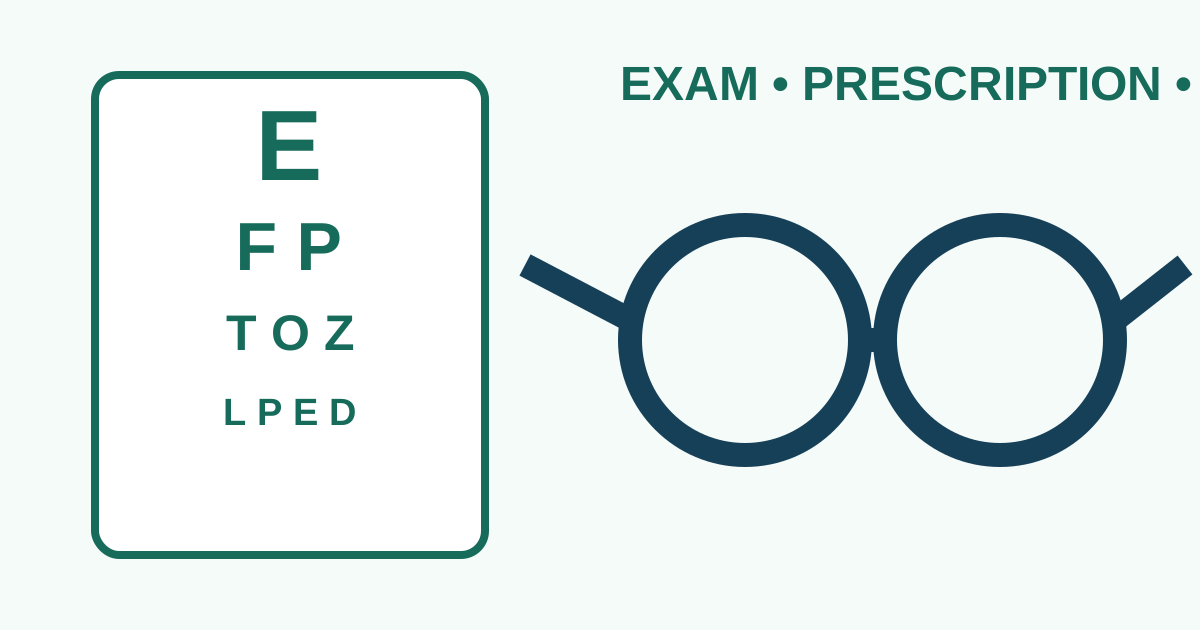
An optical shop may offer refraction and glasses fitting. A hospital ophthalmology department or specialist eye clinic can investigate disease, injury, sudden changes, or complex prescriptions. Ask what the appointment includes and whether dilation or other tests may affect driving or work afterward.
Check whether the provider can communicate in your preferred language. If not, arrange a trusted interpreter and prepare translated notes. The Seeing a Doctor in China guide covers registration, payment, and hospital navigation.
Prepare your eye-care file
Bring:
- passport or accepted registration document;
- current glasses and spare pair;
- previous written prescriptions and test reports;
- contact-lens boxes showing exact specifications;
- medication and allergy list;
- relevant medical and family history; and
- insurance information and claim requirements.
Write down when symptoms began, whether they affect one or both eyes, and what makes them better or worse. Do not stop prescribed medicine or reuse old eye drops without professional advice.
Understand the prescription
Ask for a readable copy of the results. Check right and left eye values, pupillary distance or fitting measurements, and the prescription date. For progressive, high-index, prism, children’s, or occupational lenses, ask how measurements will be taken and verified.
A glasses prescription does not automatically provide the measurements needed for contact lenses. Contact-lens material, diameter, curvature, wear schedule, eye health, and cleaning routine all matter. Arrange a proper fitting and follow-up.
Order glasses with clear specifications
Before paying, ask the shop to write down:
- frame model, size, material, and color;
- lens brand, design, material, and index;
- coatings and any tint or photochromic option;
- total price and deposit;
- completion date;
- remake, adjustment, and warranty policy; and
- what happens if adaptation is difficult.
Try the frame while looking straight ahead and moving normally. After collection, check the prescription, lens condition, alignment, comfort, and peripheral vision. Return promptly if the frame slips, causes pressure, or vision seems wrong.
Plan costs and insurance
Ask for an estimate before tests or procedures. Confirm whether the clinic is inside your insurance network and whether preauthorization is necessary. Obtain an itemized bill, medical record, prescription, payment evidence, and compliant invoice where available.
Our medical insurance claims guide explains how to build a claim file. Coverage for routine exams, frames, lenses, contacts, and medically necessary care can differ.
Recognize urgent situations
Sudden loss or marked change of vision, severe eye pain, chemical exposure, penetrating injury, flashes with new floaters, or significant redness with systemic symptoms may require urgent assessment. Contact an appropriate medical provider or emergency service; China’s medical emergency number is 120.
Do not rely on an online diagnosis or retail screening for an urgent symptom. Follow a clinician’s instructions about rinsing, covering, medicine, transport, and follow-up.
Eye care and glasses checklist
- I identified whether I need retail refraction or medical assessment.
- I brought previous prescriptions, glasses, and health information.
- I explained symptoms and medications clearly.
- I requested written test results.
- Contact lenses were fitted separately when needed.
- Frame and lens specifications are recorded.
- Price, completion, remake, and warranty terms are clear.
- I kept invoices and medical documents.
- I know where to seek urgent eye care.
Official sources
- National Health Commission
- China Government: Healthcare Services
- World Health Organization: Eye Care
Provider capability and insurance coverage vary. Confirm medical decisions with a qualified eye-care professional and coverage with your insurer.
Frequently asked questions
Common questions
Can an optical shop in China test my eyesight?
Many can measure refraction for glasses, but service scope and staff qualifications vary. Symptoms or medical concerns should be assessed by an appropriate clinic or hospital.
Should I buy contact lenses using my glasses prescription?
Do not assume the prescriptions are interchangeable. Contact lenses require appropriate measurements, fitting, hygiene guidance, and follow-up.
Will health insurance cover an eye exam or glasses?
Coverage depends on the provider, service, diagnosis, network, and policy. Request an estimate and ask the insurer what documents it requires.
What should I do after an eye injury?
Seek prompt professional care. For chemical exposure, follow emergency guidance and do not delay assessment while trying to arrange translation or payment.