Daily Life
Death and Bereavement Arrangements in China: A Practical Guide for Foreign Families
A calm, practical guide to immediate contacts, hospital and police records, consular help, funeral providers, documents, repatriation, accounts, and family coordination after a death in China.
Rules and procedures can change. Check the linked official sources before acting on time-sensitive information.
Quick answer
What you need to know
Prepare a documented response for a death in China, from the first official contact through certificates, consular coordination, funeral or repatriation choices, property, and family records.
- Call the appropriate local emergency, hospital, or police contact and avoid moving anything when the circumstances require official review.
- Contact the deceased person's embassy or consulate and a qualified local funeral provider early.
- Request a written list of required originals, translations, authorizations, fees, and handoffs before choosing cremation, burial where permitted, or repatriation.
- Use qualified legal, consular, insurance, and tax help for estates, benefits, contracts, and cross-border property.
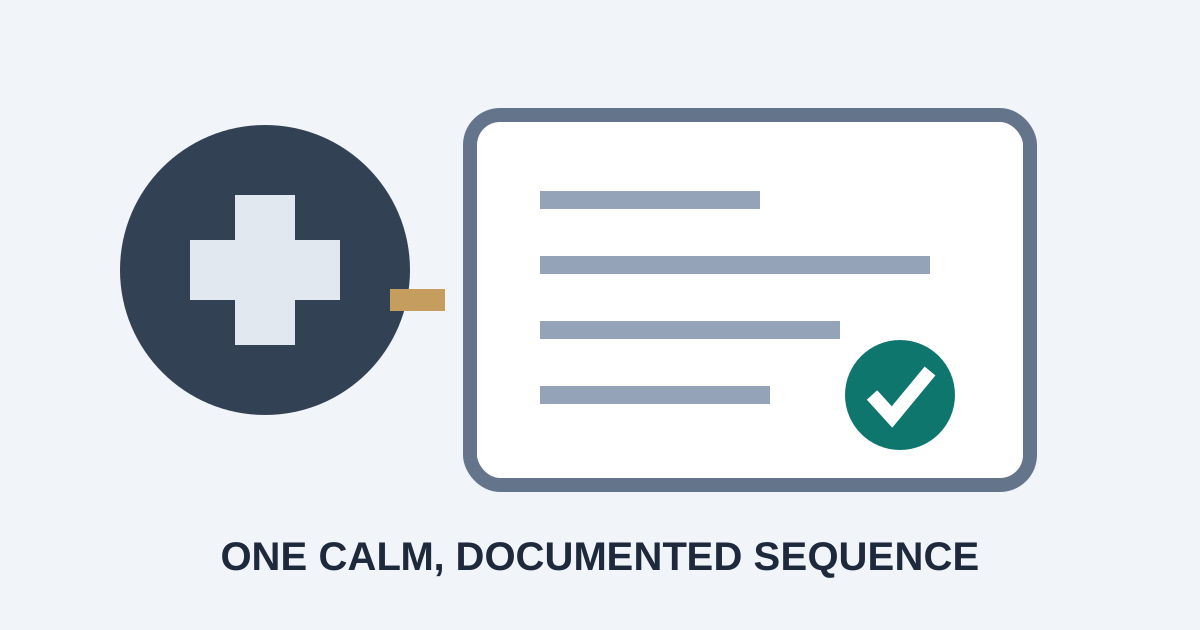
A death is difficult in any country. In China, language, local procedures, consular coordination, and cross-border family decisions can add urgency. A written sequence helps relatives avoid conflicting instructions and preserve the records needed later.
This guide is general information, not legal, medical, funeral, tax, or consular advice. Procedures vary by place and circumstances. Follow instructions from the competent authorities and confirm every step with the relevant embassy or consulate and qualified professionals.
Stabilize the first hours
If the person may still need medical help, call the local emergency service. If death occurs outside a medical facility, contact police or emergency responders and avoid moving the person or disturbing the scene unless instructed. In a hospital, ask the designated office which medical and administrative records will be issued.
Notify one family coordinator, the deceased person’s embassy or consulate, and a reputable funeral provider with experience handling foreign nationals. Keep a dated contact log. The emergency contacts guide explains how to prepare a bilingual contact sheet before a crisis.
Confirm documents before making a choice
Ask which authority issues each death-related record and whether certified copies, translations, notarization, or authentication will be needed in China or abroad. Names, passport numbers, dates, and spellings should be checked immediately.
Do not hand over an original passport or certificate without understanding who will hold it, why, and when it will be returned. The name consistency guide helps prevent mismatches across bilingual records.
Compare funeral and repatriation paths
Request itemized written proposals for local arrangements and, if relevant, repatriation of remains or ashes. Confirm preparation, storage, permits, transport, airline or cargo handling, destination acceptance, timing, and who owns each handoff.
Policies differ, and a family’s preferred arrangement may be subject to local rules. Do not book international transport until the provider, authorities, consulate, carrier, and receiving party agree on the document set.
Preserve accounts and property
Secure the home, passport copies, devices, employment records, insurance policies, contracts, keys, and valuables. Make an inventory with two witnesses where practical. Avoid using the deceased person’s payment credentials or disposing of property without authority.
Notify the employer, landlord, insurer, and school only through an agreed family contact. For the home, use the rental move-out guide as an inventory framework, while recognizing that estate authority may be required.
Bereavement checklist
- Appropriate hospital, emergency, or police contact has been made.
- Embassy or consulate and one family coordinator are identified.
- A dated log records names, numbers, instructions, and handoffs.
- Required originals, copies, translations, and authorizations are listed.
- Funeral or repatriation quotes are itemized and verified.
- Passport, records, devices, contracts, keys, and property are secured.
- Employer, insurer, landlord, and other institutions receive consistent notice.
- Qualified advice covers estate, tax, immigration, benefits, and account access.
Official reference points
Keep several certified copies of final records and a simple index showing where each original went. Cross-border estates and benefits can take time, so confirm deadlines with the relevant institutions and qualified advisers.
Frequently asked questions
Common questions
Who should a foreign family contact first after a death in China?
The correct first contact depends on where and how the death occurred. Contact the hospital, local emergency service, or police as appropriate, then the deceased person's embassy or consulate and a qualified funeral provider.
Can remains be repatriated from China?
Repatriation may be possible but requires coordinated documents, permits, preparation, transport, and destination-country acceptance. Ask the consulate and an experienced provider for a case-specific written process.
Should the family cancel the deceased person's phone and bank accounts immediately?
Do not rush. Accounts may be needed for verification, bills, records, or estate administration. Seek qualified guidance and preserve lawful access, statements, devices, and contracts.
Which documents should the family keep?
Keep certified death records, identification copies, police or hospital records when applicable, consular correspondence, funeral and transport documents, invoices, insurance files, authorizations, translations, and a handoff log.