Daily Life
Choosing an Apartment Floor in China: A Guide for Foreign Renters
Compare apartment floors in China for lift access, noise, daylight, water pressure, deliveries, evacuation, weather, and daily family needs.
Rules and procedures can change. Check the linked official sources before acting on time-sensitive information.
Quick answer
What you need to know
A viewing and decision framework for choosing a floor that fits your commute, mobility, sleep, deliveries, family, and building systems.
- Judge the specific building and unit rather than assuming that higher or lower is always better.
- Test lifts, water pressure, mobile signal, noise, daylight, temperature, and delivery access at realistic times.
- Ask how outages, maintenance, moving, rubbish, visitors, and emergencies work on that floor.
- Record promised features and unresolved defects in the lease or move-in inspection.
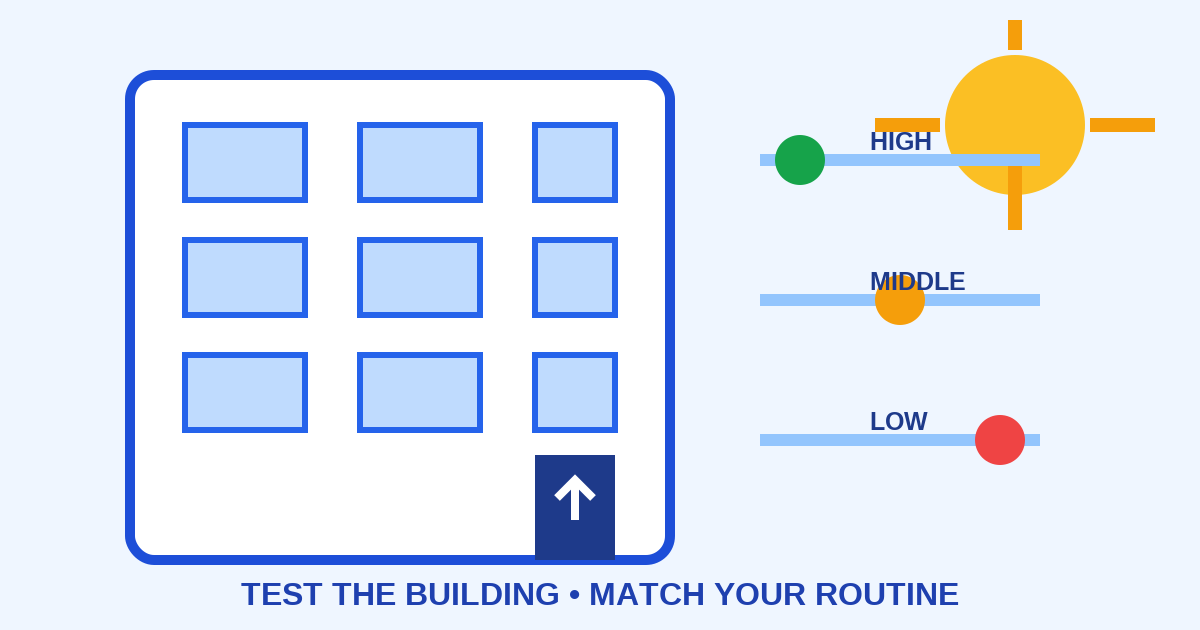
The floor number affects much more than the view. In a China apartment, it can change lift dependence, street and compound noise, water pressure, daylight, heat, wind, deliveries, moving costs, and the practical response to an outage. The best choice depends on the building, not a universal high-versus-low rule.
Compare the full daily route
Time the journey from the street or compound gate to the unit. Include security checks, lift queues, transfer lobbies, stairs, basement bicycle parking, rubbish disposal, parcel lockers, and the pickup point for ride-hailing. Visit near the morning commute and evening delivery rush if possible.
Ask how many lifts serve the tower, whether passenger and service lifts are separate, how often maintenance occurs, and what happens during a power failure. Look for a usable stair route and follow the building’s posted emergency plan. The elevator breakdown guide helps you assess lift dependence.
Test the unit, not the stereotype
Open taps and shower fixtures together to assess pressure and drainage. Check hot-water delay, toilet refill, window operation, drafts, condensation, corridor sound, street noise, neighboring renovation, cooking smells, mobile reception, and available broadband. A high floor can still be noisy near mechanical rooms or exposed to wind; a low floor can be quiet when it faces an internal garden.
Observe daylight and heat at the time you visit, then ask which direction the main windows face. Shade from nearby towers changes by season. Check air-conditioner placement and whether the top or podium-adjacent floor has special roof, terrace, restaurant, parking, or equipment exposure. Our weather and air-quality guide adds seasonal planning questions.
Match the floor to the household
Consider stairs and lifts for children, older relatives, pregnancy, mobility aids, pets, heavy groceries, bicycles, and frequent travel luggage. Families should inspect window and balcony controls rather than relying on floor height as protection. Check how couriers, cleaners, repair technicians, guests, and emergency responders reach the unit.
If anyone works from home or sleeps during the day, listen for schools, playgrounds, refuse collection, vehicle ramps, horns, delivery staging, and lift machinery. The apartment noise guide provides a viewing-time sound audit.
Put material facts in the record
Ask the landlord or agent about known lift, water, leakage, pressure, window, heating, and noise issues. Photograph the view, windows, fixtures, meters, corridor, and visible defects. If a particular parking space, storage area, lift privilege, balcony, or access route influenced the decision, identify it clearly in the lease or signed inventory rather than relying on a chat promise.
Floor-selection checklist
- Time the gate-to-door route at a busy hour.
- Check passenger, service, and emergency stair access.
- Test water pressure, hot water, drains, mobile signal, and internet options.
- Listen with windows open and closed.
- Check orientation, shade, wind, heat, ventilation, and condensation.
- Map deliveries, rubbish, parking, bicycles, pets, strollers, and luggage.
- Ask about outages, lift maintenance, moving rules, and emergency procedures.
- Record defects and important promised features before signing.
Building systems, fire procedures, lease terms, and accessibility vary. This is general housing information, not engineering, fire-safety, tenancy, or legal advice. Confirm material issues with the landlord, property management, qualified inspectors or technicians, and relevant local authorities.
Frequently asked questions
Common questions
Is a high floor better in a China apartment building?
Not automatically. It may offer views and less street noise, but can increase lift dependence, wind exposure, evacuation distance, delivery friction, or summer heat.
What should I test during an apartment viewing?
Test lift wait time, water pressure, drains, windows, mobile signal, internet options, corridor noise, daylight, and the route from the gate to the unit.
Can water pressure vary by floor?
Yes, depending on the building's pumps, tanks, maintenance, and supply. Test several fixtures and ask about past outages rather than relying on a general rule.
Should families avoid very high floors?
Families should assess window safety, lift reliability, emergency plans, stroller access, school pickup, and each household member's mobility. The right choice is building-specific.