Daily Life
Bottled Water Jug Delivery in China: A Home Guide for Foreign Residents
Set up large bottled-water delivery in China with practical checks for suppliers, seals, dispensers, deposits, storage, cleaning, and empty-jug returns.
Rules and procedures can change. Check the linked official sources before acting on time-sensitive information.
Quick answer
What you need to know
A practical routine for choosing a large-jug water supplier, checking each delivery, cleaning the dispenser, and tracking deposits and empty bottles.
- Order through a traceable supplier and retain the product, batch, delivery, and payment details.
- Check the cap, seal, label, bottle condition, production information, and appearance before opening.
- Store sealed and opened jugs away from heat, sunlight, chemicals, pests, and dirty surfaces.
- Clean the dispenser on a defined schedule and track bottle deposits or prepaid tickets.
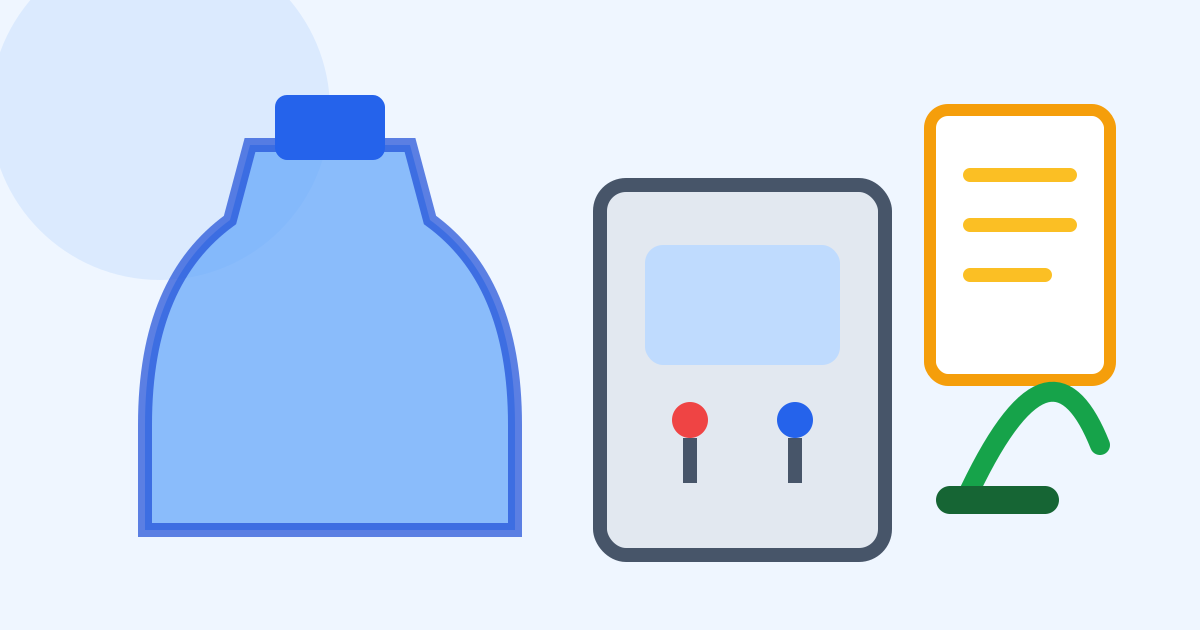
Large returnable water jugs are common in homes and offices, but convenience depends on a reliable supplier, intact packaging, clean equipment, and a clear deposit record. Treat the setup as a small recurring household service rather than an anonymous bottle left at the door.
Choose a traceable supplier
Ask the building manager, employer, or trusted neighbors which authorized channels serve the address. Confirm the brand and product, bottle volume, unit price, delivery fee, minimum order, service hours, invoice availability, empty-bottle deposit, and complaint contact. Avoid relying only on an unverified personal QR code.
China’s State Administration for Market Regulation provides consumer and product-regulation information at samr.gov.cn. If a product appears unsafe or falsely labeled, preserve evidence and ask the local market-regulation authority or consumer channel about the correct complaint route.
Inspect every jug before acceptance
Check that the label is readable and consistent with the order. Look for intact cap and seal, normal bottle shape, no cracks or leaks, clear production and batch information, and no unusual particles, color, or odor. Photograph a problem before returning the jug and keep the order or delivery ticket.
Do not accept a jug that has been opened, repaired, heavily scratched, stored beside chemicals, or left in strong sun for an unknown period. If a delivered product differs from the listing, ask the supplier to explain or replace it rather than guessing.
Keep the dispenser clean
Wash hands before changing a bottle and avoid touching the opening or intake probe. Follow the dispenser manufacturer’s cleaning and sanitizing instructions. Empty and clean drip trays, watch for biofilm or insects, and unplug hot-water units before maintenance. After a long absence, arrange a full clean before installing a fresh jug.
Store spare jugs upright in a cool, clean place away from sunlight, cooking fumes, cleaning products, pests, and flood-prone floors. Rotate older sealed stock first. For broader household water planning, see the drinking-water and filter guide.
Track money and empties
Keep a simple record of full jugs received, empties returned, deposits, prepaid tickets, balance, and receipts. Mark supplier-owned bottles so they are not handed to a different company. Before moving, ask how to return remaining bottles and recover deposits. The prepaid consumer balance guide explains how to reduce advance-payment risk.
Water delivery checklist
- Verify supplier, product, price, deposit, and complaint channel.
- Check label, batch, cap, seal, bottle, and water appearance.
- Photograph and refuse questionable deliveries.
- Change bottles with clean hands and protected contact surfaces.
- Clean the dispenser and drip tray to manufacturer instructions.
- Store jugs upright, cool, shaded, and away from chemicals.
- Track full bottles, empties, deposits, and prepaid balance.
- Close the account and return bottles before moving.
This is general household and consumer information, not health or regulatory advice. Water products, dispensers, and local complaint procedures vary; confirm safety questions with the supplier, manufacturer, local authority, or a qualified health professional.
Frequently asked questions
Common questions
Is every large water jug interchangeable?
No. Bottle size, neck design, return ownership, deposit rules, and dispenser fit can differ. Confirm compatibility before ordering.
What if the seal looks loose or the bottle leaks?
Do not install it. Photograph the bottle, label, seal, and batch information, keep the delivery record, and request replacement through the supplier.
How often should I clean a water dispenser?
Follow the dispenser manufacturer's instructions and supplier guidance. Increase attention after long disuse, visible residue, odor, contamination, or a move.
Should I prepay for many deliveries?
Prepayment creates supplier and refund risk. Start small, keep receipts and remaining-balance records, and understand expiry, transfer, and refund terms.