Daily Life
Bicycle and E-Bike Maintenance in China: A Repair Guide for Foreign Residents
A practical maintenance and repair guide for foreigners using bicycles and compliant e-bikes in China, covering inspections, batteries, shops, records, and roadside safety.
Rules and procedures can change. Check the linked official sources before acting on time-sensitive information.
Quick answer
What you need to know
Inspect brakes, tires, lights, steering, fasteners, and an e-bike's battery system regularly; use a reputable repairer, approve costs in writing, keep records, and follow local parking and charging rules.
- Perform a quick brake, tire, light, steering, and battery check before regular use.
- Stop riding after unusual heat, battery swelling, impact damage, brake failure, or unstable steering.
- Use compatible parts and a repairer familiar with the exact model.
- Confirm the diagnosis, estimate, replaced parts, and warranty before authorizing work.
- Follow local rules for registration, helmets, road use, parking, and charging.
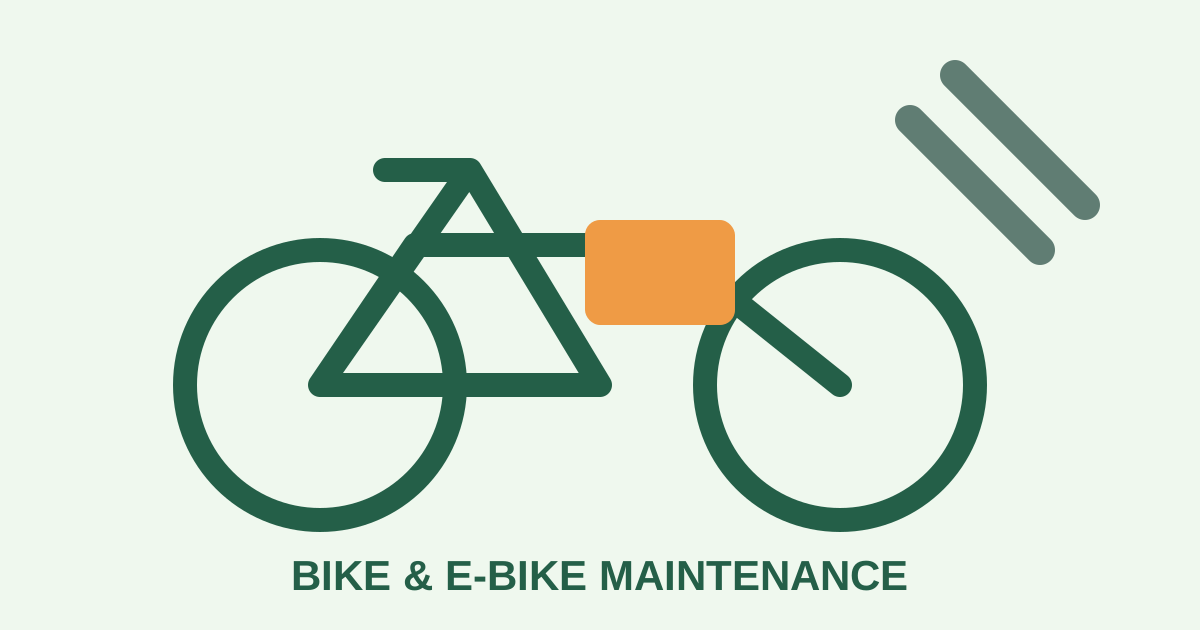
Bicycles and electric bicycles make short urban trips convenient, but small faults can quickly become safety problems. A maintenance routine is especially important when a vehicle is parked outdoors, ridden in heavy rain, or used every day for commuting.
This guide covers practical maintenance, not model-specific technical work. Follow the manufacturer, use qualified repair services, and check current local traffic, registration, parking, and charging rules.
Make a quick pre-ride check
Squeeze both brakes, inspect tire pressure and visible damage, confirm the handlebar and saddle are secure, spin each wheel, test lights and bell, and look for loose parts. On an e-bike, check that the battery is locked in place and that the display shows no warning.
Stop using the vehicle if steering feels loose, a wheel wobbles, braking is weak, wiring is damaged, or the battery is swollen, unusually hot, leaking, smoking, or producing an unusual odor or sound.
Find a suitable repair shop
For a standard bicycle, a neighborhood repair stand may handle tires, tubes, chains, brakes, and adjustments. For an e-bike, use the brand’s service point or a reputable shop familiar with its controller, motor, battery, charger, and compliant replacement parts.
Send photos and the exact model before visiting. Ask whether the shop can issue a receipt and warranty. Do not authorize a battery or controller substitution without verifying compatibility and compliance.
Approve work clearly
Request a diagnosis and price estimate covering labor and parts. Ask the repairer to contact you before exceeding the estimate. For important components, record the brand, specification, serial information when available, and warranty period.
After repair, test braking and steering at low speed in a safe area. Keep the old part when appropriate, unless it requires regulated disposal or a warranty exchange.
Treat batteries and chargers cautiously
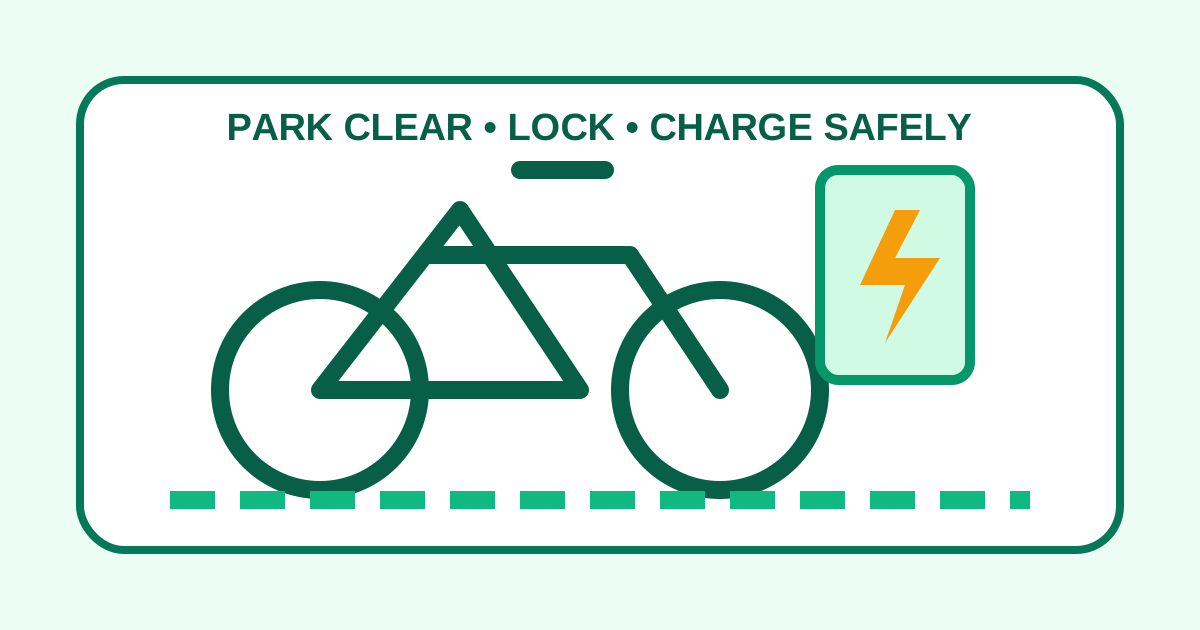
Use the correct charger and follow the manufacturer’s temperature, ventilation, and charging instructions. Do not charge damaged equipment or improvise wiring. Follow compound rules for designated charging areas; corridors, stairwells, exits, elevators, and apartments may be subject to strict fire-safety controls.
For broader household preparation, read Home Fire Safety and Emergency Preparedness.
Keep ownership and service records
Save purchase documents, vehicle and battery identifiers, registration information if applicable, repair receipts, part warranties, and photos. Records help with warranty claims, resale, theft reports, and insurer questions. Our bicycle and e-bike theft guide covers security and evidence.
Maintenance checklist
- Brakes engage evenly and before the levers reach the grips.
- Tires have suitable pressure and no cuts or bulges.
- Wheels, steering, pedals, and saddle are secure.
- Lights, reflectors, and bell work.
- Chain or drivetrain is clean and correctly lubricated.
- Battery, cable, connector, and charger show no damage.
- Repair estimates and approvals are saved.
- Designated parking and charging rules are followed.
- Helmet and visibility equipment are ready.
Official resources
- Ministry of Public Security of the People’s Republic of China
- National Fire and Rescue Administration
- State Council guide to transport services in China
Local implementation and vehicle standards can differ. Confirm the rules applying to your city and vehicle with traffic police, the registration authority, property management, the manufacturer, or another competent service provider.
Frequently asked questions
Common questions
How often should I service a bicycle or e-bike in China?
There is no single schedule for every model and use pattern. Follow the manufacturer's instructions and seek inspection sooner after heavy rain, a crash, unusual noise, reduced braking, loose steering, tire damage, or battery concerns.
Can any shop replace an e-bike battery?
Use a reputable provider familiar with the model and a compatible, traceable battery and charger. Confirm specifications, warranty, and safe disposal of the old battery.
What should I record after a repair?
Keep the diagnosis, estimate, approved work, part brand and specification, old-part return if appropriate, invoice or receipt, payment proof, and written warranty.
Can I charge an e-bike battery inside my apartment?
Building and local fire-safety rules may restrict indoor charging, elevators, corridors, and battery storage. Use designated facilities and follow current property-management, manufacturer, and local authority guidance.
What should I do if the bike becomes unsafe while riding?
Move out of traffic when safe, stop riding, secure the vehicle, and arrange qualified repair or transport. For a battery emitting heat, smoke, odor, or sound, keep people away and contact emergency services or property staff as appropriate.