Daily Life
Apartment Drain Blockages and Sewer Odors in China: A Renter's Guide
Handle slow drains, blockages, sewer odors, leaks, and repair coordination in a China apartment with a clear evidence and safety checklist.
Rules and procedures can change. Check the linked official sources before acting on time-sensitive information.
Quick answer
What you need to know
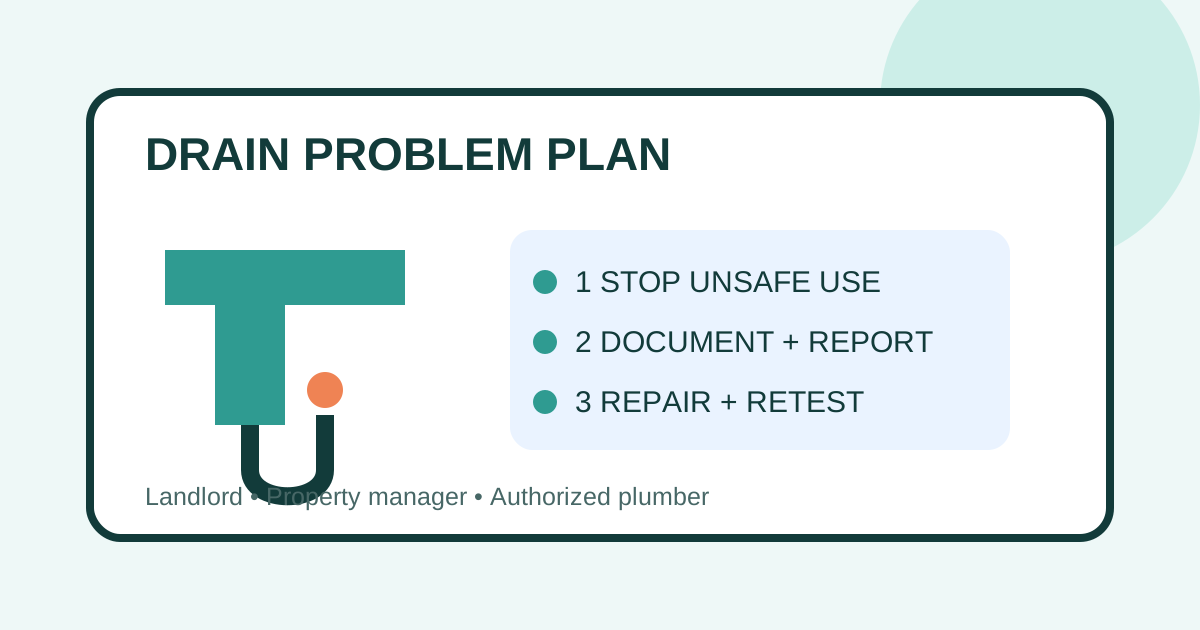
Identify the affected fixtures, stop unsafe use, document the symptoms, coordinate with the landlord and property manager, and verify a repair before closing the issue.
- Treat sewage backup, active flooding, electrical exposure, or strong unexplained gas-like odors as urgent building issues.
- Record which fixtures are affected, when the problem occurs, and whether neighbors or common pipes may be involved.
- Do not mix drain cleaners or dismantle fixed plumbing without authorization and suitable expertise.
- Confirm the diagnosis, price, responsibility, cleanup, and repair warranty in writing.
A slow sink can be a local maintenance problem; wastewater rising from a floor drain may involve a shared building pipe. The first task is to limit damage and identify the scope before choosing a remedy.
Make the area safe
Stop using an affected fixture if water is backing up, leaking into cabinets or floors, or appearing in another room. Keep children and pets away from wastewater. If water threatens sockets, appliances, or a lower apartment, contact property management and the landlord immediately and follow qualified safety instructions.
Ventilate an unpleasant odor where it is safe to do so. Do not assume that every odor is sewer gas, and do not use a flame to investigate it. If the smell resembles fuel gas or anyone feels unwell, leave the area and use the building’s emergency process. The home gas safety guide explains that separate response.
Map the symptoms
Test only when doing so will not worsen a backup. Record whether the problem affects one sink, a toilet, shower, washing machine connection, balcony outlet, or several fixtures. Note gurgling, water level changes, visible debris, leaks, odor timing, recent renovation, and whether the issue appears after neighbors use water.
Take dated photos and short videos. Ask property management whether other units or a common stack are affected. This helps separate a local trap or branch blockage from a shared pipe, roof or balcony drainage issue.
Avoid risky shortcuts
Remove accessible hair or debris only when it can be done safely and hygienically. Never combine bleach, acid, alkali, drain opener, or another cleaner. Tell any plumber exactly what has already been poured into the drain.
Do not dismantle fixed plumbing, use powered equipment, or authorize pipe replacement without the required approval. A failed do-it-yourself attempt can damage seals, pipes, waterproofing, or a neighbor’s home. For active water damage, also follow the apartment water leak response guide.
Coordinate the repair
Send the landlord, agent, and property manager a concise report with the affected fixtures, start time, urgency, evidence, and access windows. Ask who will inspect, whether the pipe is private or common, who authorizes work, and how cost responsibility will be decided under the lease and building rules.
Before work begins, confirm the callout fee, diagnostic work, proposed method, parts, cleanup, total price or price range, payment channel, and warranty. Keep the technician’s identity or work-order number. For broader repair coordination, see the landlord repairs guide.
Verify the result
Ask what caused the problem and what was done. Test each affected fixture through a normal cycle while the technician is present, checking flow, seals, cabinets, ceilings, walls, floors, and the unit below where relevant. Odor treatment should address the source, not simply cover it with fragrance.
Retain the service report, before-and-after evidence, invoice or receipt, replaced-part details, and warranty. Monitor the area during the next several normal uses and report recurrence promptly.
Drain problem checklist
- Affected fixtures and timing recorded.
- Unsafe use stopped and area isolated.
- Landlord and property management notified.
- Neighbors or common pipes considered.
- No cleaning chemicals mixed.
- Authorized diagnosis and price confirmed.
- Repair and cleanup documented.
- Normal flow, seals, leaks, and odor retested.
- Records and warranty saved.
Building systems, leases, and repair responsibility vary. Confirm structural, safety, payment, or dispute questions with the landlord, property manager, qualified technician, local authority, or professional adviser as appropriate.
Frequently asked questions
Common questions
Who should I contact first for a blocked apartment drain?
For a rented home, notify the landlord or agent and property management, especially when a shared stack, exterior pipe, or another unit may be involved. Follow the lease and building's emergency process.
Can I pour chemical cleaner into a slow drain?
Do not mix products or use a chemical without understanding the label, pipe material, building rules, and recent treatments. Chemical reactions can cause burns, fumes, or pipe damage; ask an authorized professional when unsure.
Why does a floor drain smell even when it is not blocked?
Possible causes include a dry or ineffective trap, damaged seal, venting issue, debris, or a shared building problem. A qualified plumber or property team should identify the cause rather than masking the odor.
What evidence should I keep?
Keep dated photos or video, affected rooms, messages, inspection notes, quotations, receipts, replaced-part details, cleanup records, and a final test.