Daily Life
Home Gas Safety in China: A Checklist for Foreign Renters
Use cooking and water-heating gas more safely in a China apartment with equipment checks, ventilation, alarm planning, and clear emergency contacts.
Rules and procedures can change. Check the linked official sources before acting on time-sensitive information.
Quick answer
What you need to know
Know what fuel your home uses, keep appliances and ventilation professionally maintained, recognize warning signs, and rehearse a no-switch emergency exit plan.
- Identify the fuel, shutoff, utility contact, appliances, ventilation path, and landlord responsibility.
- Use qualified technicians for installation, inspection, hose replacement, and repairs.
- Never block vents or improvise around a suspected leak.
- If gas is suspected, leave, avoid flames and electrical switches, and call from a safe location.
Gas may power a stove, water heater, or central system in a China home. A new tenant should understand the installation before daily routines make it invisible.
This is general safety information. Equipment, fuel, building codes, and emergency procedures vary; follow the local gas utility, fire service, property manager, manufacturer, and qualified technicians.
Map the system on move-in day
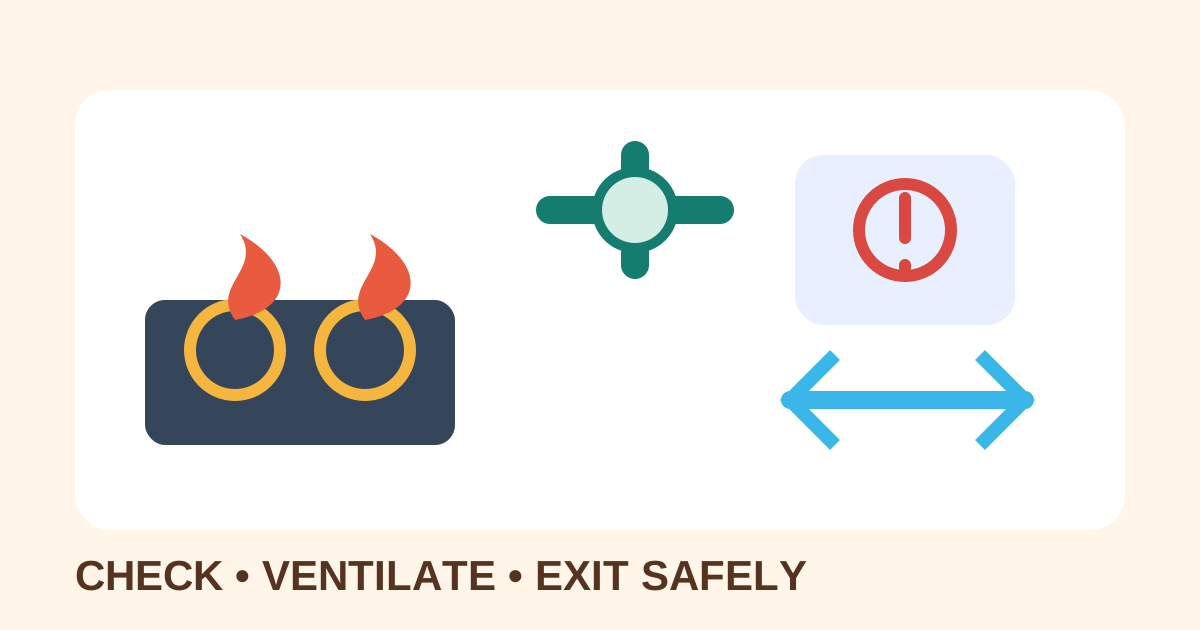
Ask whether the home uses piped natural gas, bottled LPG, electricity, or a mix. Locate the meter and accessible shutoff, but do not operate unfamiliar controls without instruction. Photograph model plates, inspection labels, visible pipework, and the move-in meter reading.
Get the gas utility, landlord, property-management desk, and local emergency numbers in both phones. Keep the Chinese address ready. Add gas equipment to your apartment move-in inspection.
Check appliances and ventilation
Have questionable stoves, hoses, valves, water heaters, flues, and exhaust fans inspected by a qualified technician. Ask when flexible connections and batteries were last replaced and retain the service record.
Do not cover permanent vents, route exhaust into an enclosed balcony, use a cooking appliance for heating, or move bottled gas without professional guidance. Keep combustibles away from flames and supervise cooking.
Add the right detection
Ask the utility or technician whether a fuel-gas detector, carbon-monoxide alarm, or both are appropriate. Device choice and placement depend on the fuel and appliance. Follow the model instructions for testing, cleaning, battery replacement, and end-of-life replacement.
An alarm supplements safe installation and maintenance; it does not make a defective appliance acceptable.
Respond without creating a spark
If you smell gas, hear escaping gas, feel symptoms around combustion equipment, or an alarm activates, treat it seriously. Avoid flames, smoking, plugs, doorbells, and electrical switches. Move everyone outside and call the utility or emergency service from a safe place.
Only close a valve if the responsible authority has taught you to do so and it can be reached without entering danger. Do not return until professionals say it is safe. For broader evacuation planning, read the home fire safety guide.
Put repairs in writing
Report defects with photos, dates, appliance details, and the requested action. Clarify who authorizes the technician and pays, but do not delay leaving an unsafe area while debating responsibility. Preserve invoices and inspection records.
Gas safety checklist
- Fuel type, appliances, meter, and shutoff are identified.
- Utility, property, landlord, and emergency contacts are saved.
- Ventilation and exhaust paths are unobstructed.
- Qualified technicians handle installation and repair.
- Suitable alarms are installed and tested as instructed.
- Cooking is supervised and combustibles are separated.
- Everyone knows the no-flame, no-switch exit response.
- Inspection and repair records are archived.
Official reference points
- Ministry of Emergency Management
- National Fire and Rescue Administration
- State Council public services
Use the emergency number and procedure published for your location. If anyone may have been exposed to combustion gases, seek urgent medical advice from qualified professionals.
Frequently asked questions
Common questions
What should I do if I smell gas in my China apartment?
Avoid flames and electrical switches, move people away, leave the area, and contact the gas utility or emergency services from a safe location. Follow their instructions rather than investigating yourself.
Can a renter replace a gas hose or water heater?
Do not perform safety-critical gas work yourself. Ask the landlord and utility which qualified technician is authorized and document the service.
Should I install a gas or carbon-monoxide alarm?
Ask the utility or a qualified professional which approved detector fits the fuel and appliances, where it should be installed, and how it must be tested and replaced.
Is an open window enough ventilation?
Do not assume it is. Appliances need the ventilation and exhaust arrangement specified for their type and installation; have a qualified professional inspect the setup.