Daily Life
Water Leaks in a China Apartment: A Response Guide for Foreign Renters
What foreign renters in China should do after a water leak: stop immediate damage, notify property management and the landlord, document the source, protect neighbors, and organize repairs and claims.
Rules and procedures can change. Check the linked official sources before acting on time-sensitive information.
Quick answer
What you need to know
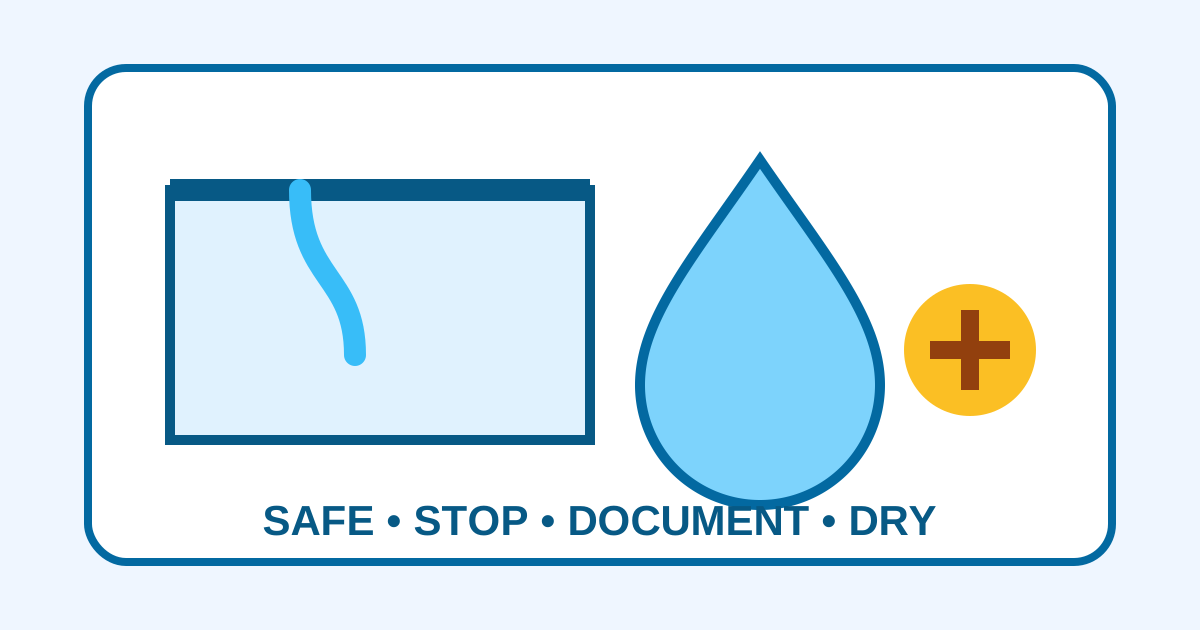
Protect people first, stop water or electricity only when safe, notify property management and the landlord immediately, document every affected area, and agree on inspection, repair, and payment in writing.
- Water near electricity, a collapsing ceiling, or uncontrolled flooding requires urgent professional help.
- Property management can coordinate building valves, neighboring units, elevators, and common pipes.
- Document the source and damage before cleanup without delaying necessary mitigation.
- Cause, ownership, lease terms, and insurance affect who ultimately pays.
A leak can move through ceilings, walls, elevator shafts, and neighboring homes faster than a normal repair request. The first hour is about safety and damage control; responsibility and reimbursement can be addressed after the source is documented.
Protect people and stop escalation
Move children, pets, and valuables away. Do not stand in water near outlets, appliances, distribution panels, or a sagging ceiling. If safe and you know the correct local valve, stop the relevant water supply. Do not touch wet electrical equipment; ask property management or a qualified professional to isolate power.
Call emergency services for immediate threats to life or major property danger. For a building leak, contact property management’s emergency desk and the landlord at once. Give the building, unit, visible source, affected rooms, start time, and whether water is reaching electricity, lifts, corridors, or another apartment.
The power and water outage guide covers utility interruption, while the landlord repair guide helps organize non-urgent follow-up.
Document before and during mitigation
Take wide and close photos or video showing the source, flow, ceiling, walls, floors, furniture, appliances, and time. Record meter readings if relevant. Save calls, messages, property tickets, names, arrival times, and instructions. Photograph damaged items and model or serial numbers before moving or discarding them.
Do not delay reasonable steps that prevent more damage just to collect evidence. Use buckets, move possessions, and arrange approved water extraction when safe. Keep receipts for emergency materials, transport, temporary accommodation, and professional work.
Find the source, not only the stain
Water may come from your unit, an upstairs unit, a common pipe, roof, facade, air conditioner, appliance hose, bathroom waterproofing, or drain. Ask for a written inspection note identifying the suspected source, tests performed, temporary action, permanent repair, drying period, and responsible parties.
A cosmetic repaint before the structure is dry can hide moisture and mold. Ask how moisture will be measured and when walls, flooring, cabinets, or ceilings can be closed. For later moisture problems, see Mold and Humidity in China Apartments.
Coordinate neighbors, repairs, and payment
Property management should help contact affected units and manage common areas. Stay factual and exchange contact details without arguing about liability at the scene. Do not sign a broad settlement or promise payment before the source, damage, lease, ownership, and insurance position are understood.
Ask the landlord to approve repair scope and contractor access in writing. If you or the landlord has contents or property insurance, notify the insurer promptly and ask what evidence, survey, invoice, and mitigation steps it requires. Significant disputes may need a qualified local professional.
Leak-response checklist
- People moved away from water, electricity, and unstable ceilings.
- Emergency services called if there is immediate danger.
- Property management and landlord notified with exact location and severity.
- Water or power isolated only by a safe, competent person.
- Source, damage, meter, timeline, and communications recorded.
- Neighboring or common areas checked through property management.
- Written inspection, drying, repair, and access plan requested.
- Receipts, damaged-item evidence, lease, and insurance documents preserved.
- Final dryness and repair quality checked before closing the case.
Official reference points
- National Emergency Numbers and Services — State Council
- National Financial Regulatory Administration
Lease, building, insurance, and liability rules vary. Confirm repair authority and cost allocation with the landlord, property management, insurer, and a qualified local professional when the loss or dispute is material.
Frequently asked questions
Common questions
Who should I call first for an apartment leak?
If people are in danger, call emergency services. Otherwise contact property management and the landlord immediately because they can coordinate valves, common systems, neighboring apartments, and approved repairs.
Should I switch off electricity?
Only if you can do so safely without entering water or touching wet equipment. Keep away from electrical hazards and ask property management or a qualified professional to isolate power.
Who pays for damage to the apartment below?
Responsibility depends on the source, fault, ownership, building systems, lease, evidence, and insurance. Do not admit liability or promise payment before the cause is assessed and advice is obtained where needed.
Can I hire my own contractor immediately?
Take reasonable steps to prevent further damage, but coordinate permanent work with the landlord and property management so access, cause, scope, price, and authorization are documented.