Working in China
Workplace Mentoring and Buddy Programs in China: A Guide for Foreign Employees
Use a workplace mentor or buddy in China effectively by defining roles, setting boundaries, tracking questions, and building a broader support network.
Rules and procedures can change. Check the linked official sources before acting on time-sensitive information.
Quick answer
What you need to know
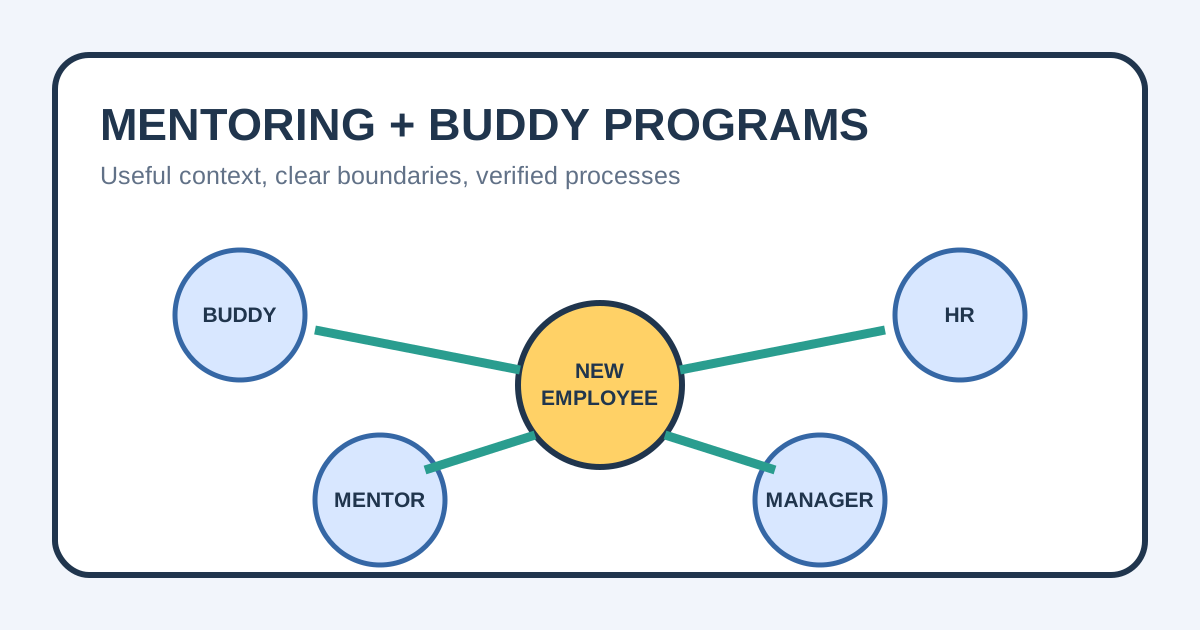
A buddy helps with practical context and a mentor supports development, but neither replaces your manager, HR, compliance, or professional adviser.
- Clarify whether the person is a buddy, mentor, manager, sponsor, interpreter, or process owner.
- Agree on meeting cadence, confidentiality limits, preferred channels, and topics that belong elsewhere.
- Turn informal advice into verified process steps when pay, compliance, immigration, or safety is involved.
- Build multiple relationships so one colleague is not your only source of context or support.
A good buddy or mentor can decode meeting habits, decision paths, team vocabulary, and unwritten routines. The arrangement works best when both people know its purpose and limits.
Identify the role
Ask what the program calls the relationship and what outcome it expects. A buddy may help with the first weeks, while a mentor may discuss skills and career direction. Neither automatically speaks for your manager, HR, payroll, compliance, or immigration team.
The first 30 days guide can supply a practical starting agenda.
Agree on a working rhythm
Set a manageable meeting cadence, preferred message channel, response expectations, and initial end date. Bring a short question list and note actions, owners, and deadlines. Avoid turning the relationship into an always-on translation service or an unofficial approval path.
Verify high-impact advice
Informal context is useful, but confirm instructions involving pay, leave, expenses, security, safety, legal obligations, or work authorization with the responsible function. Use the employee handbook guide for policy questions.
If advice conflicts with a signed document or official process, ask the actual owner in writing rather than asking the mentor to decide.
Set privacy and escalation boundaries
Ask whether conversations are confidential and what the person must escalate. Do not share another colleague’s private information. Use formal channels for harassment, safety, compliance, payroll, medical, or immigration matters as appropriate.
Build a wider network
Map the people who own role priorities, HR processes, payroll, technology, facilities, security, and cross-team work. A mentor can introduce context, but resilient onboarding depends on more than one relationship. The networking guide offers broader ideas.
Mentoring checklist
- Buddy or mentor role and duration clarified.
- Goals and boundaries agreed in the first meeting.
- Meeting cadence and communication channel set.
- Questions grouped by the correct process owner.
- High-impact advice verified through official sources.
- Confidentiality and escalation limits discussed.
- Actions, owners, and deadlines recorded.
- Wider stakeholder network developed.
- Closing review or handoff scheduled.
A useful mentoring relationship makes the workplace easier to navigate while keeping formal decisions with the people accountable for them.
Frequently asked questions
Common questions
What is the difference between a buddy and a mentor?
A buddy usually helps with immediate routines and navigation, while a mentor focuses more on longer-term learning and development. Your employer may define the roles differently.
Should I tell a mentor confidential concerns?
First ask about confidentiality and escalation duties. Use HR, compliance, safety, or formal reporting channels for matters those functions own.
Can a buddy translate company rules for me?
They can help explain context, but important rules should be confirmed through an authoritative document or responsible function.
What should we discuss in the first meeting?
Agree on goals, role boundaries, communication style, meeting frequency, key stakeholders, and a short list of practical questions.