Working in China
Work Coverage and Delegation During Absence in China: A Guide for Foreign Employees
Prepare work coverage for leave or travel in China with clear owners, approval limits, system access, escalation contacts, and a secure return handback.
Rules and procedures can change. Check the linked official sources before acting on time-sensitive information.
Quick answer
What you need to know
A reusable coverage plan that keeps work moving without unsafe password sharing or unclear authority.
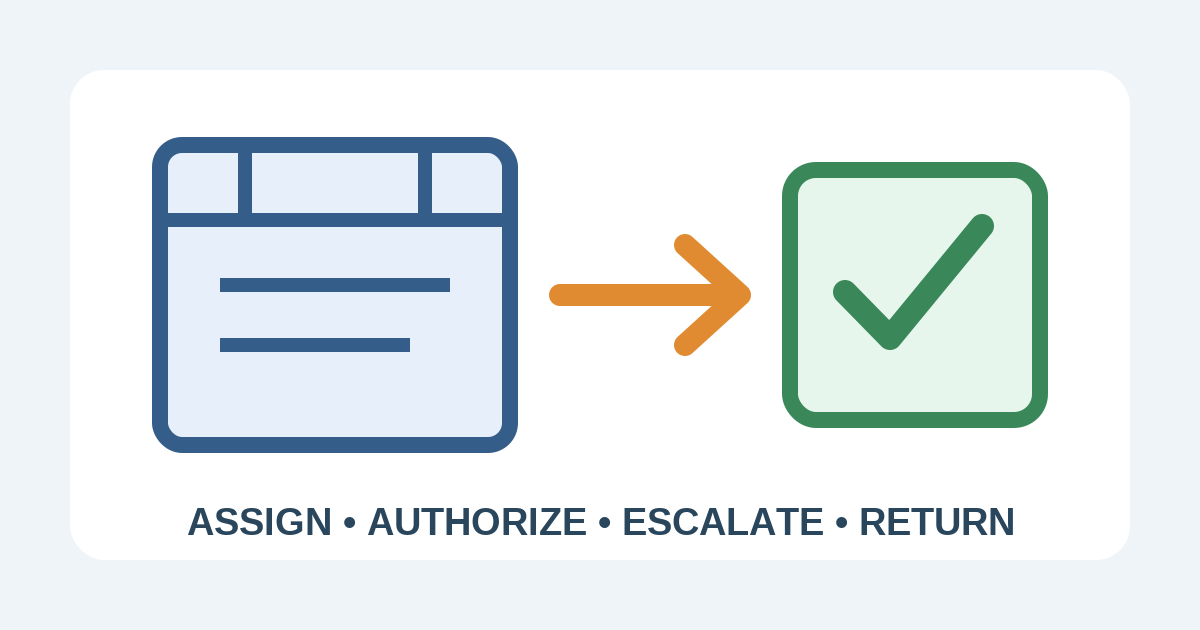
- Assign a named owner, deadline, decision boundary, and escalation contact for each active item.
- Use approved access delegation and never share personal passwords, tokens, or signatures.
- Confirm who can approve spending, contracts, payroll, customer commitments, or regulated actions.
- Schedule a short return handback so temporary decisions and open risks do not disappear.
Good absence coverage is more than an out-of-office reply. It transfers enough context and authority for a colleague to act while keeping access, data, and approvals within company controls.
Build the coverage table
For each active item, record status, next action, deadline, temporary owner, approved source files, stakeholders, likely decision, and escalation contact. Mark what can wait until your return. Review the table with your manager and cover colleague instead of merely emailing it at departure.
Separate task ownership from decision authority. A colleague may monitor a queue without being authorized to approve a purchase, contract, customer promise, payroll change, safety action, or regulated filing. Put monetary and time limits in writing and use the company’s existing approval workflow.
Delegate access, not credentials
Ask IT for mailbox delegation, shared folders, role-based permissions, shared service accounts, or ticket reassignment. Never share your password, authentication token, electronic signature, or personal device. Our work-device and account security guide explains the baseline controls.
Set an out-of-office message that gives the coverage contact without exposing confidential project details. For travel, review the business travel guide. For annual leave records and policy questions, see annual leave and overtime records.
On return, hold a brief handback: decisions made, commitments given, incidents, new deadlines, access to remove, and tasks still open. The Ministry of Human Resources and Social Security provides national labor and social-security information, but leave rights and workplace requirements depend on the facts and local rules.
Absence coverage checklist
- Confirm dates, availability, and emergency contact expectations.
- Assign an owner and escalation path for every active item.
- Define approval boundaries and spending limits.
- Grant auditable, time-limited access through IT.
- Update calendars, queues, and out-of-office messages.
- Brief key stakeholders before departure.
- Record decisions and incidents during coverage.
- Remove temporary access and complete a return handback.
This is general workplace information, not legal advice. Confirm leave, availability, delegation, data, and approval requirements with your manager, HR, IT, compliance team, or qualified adviser.
Frequently asked questions
Common questions
Should I share my login with the person covering my work?
No. Ask IT or the system owner for approved delegation, shared queues, role access, or another auditable method.
What belongs in an absence coverage plan?
List active work, next action, deadline, temporary owner, approved files, decision limits, stakeholders, risks, and the escalation contact.
Can my colleague approve expenses or contracts for me?
Only if company policy and an authorized manager grant that authority. Confirm the scope, amount, period, and system workflow in writing.
How much should I monitor work while on leave?
Agree expectations with your manager before departure. The answer depends on the type of leave, role, company policy, and applicable requirements.