Daily Life
Shoe Repair, Key Cutting, and Small Repair Shops in China
Use neighborhood shoe repair, key cutting, bag repair, and small hardware services in China with clear photos, quotes, pickup records, and privacy safeguards.
Rules and procedures can change. Check the linked official sources before acting on time-sensitive information.
Quick answer
What you need to know
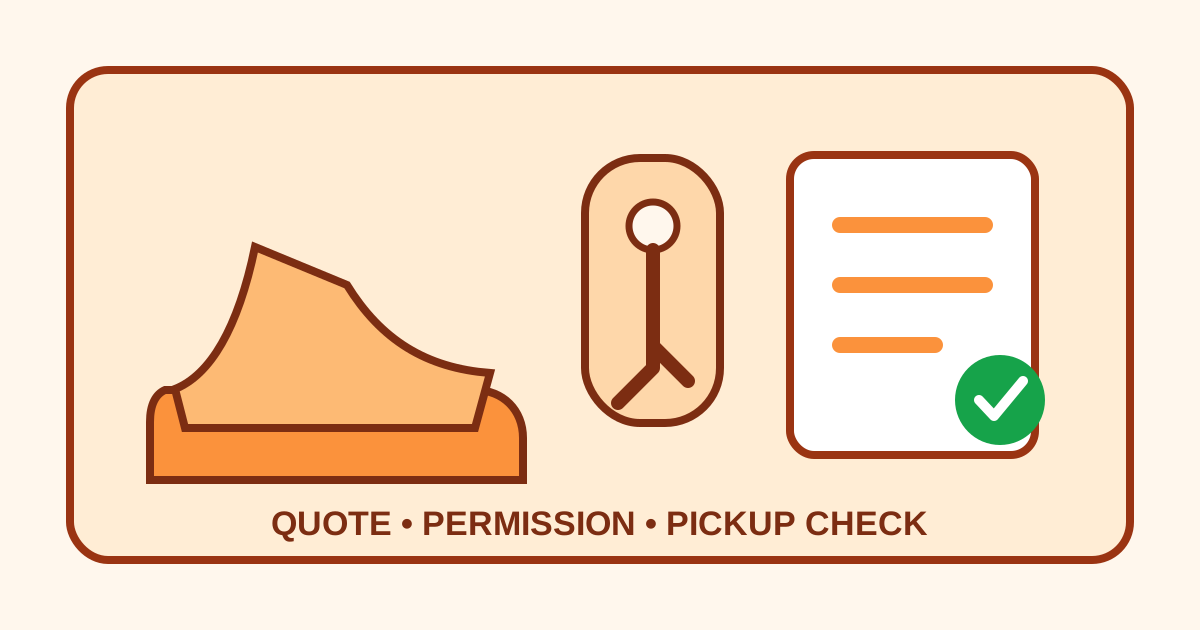
Show the exact repair, confirm material and price before work begins, protect keys and personal data, and keep a photographed pickup record.
- Bring photos, measurements, and the damaged item so the shop can identify the exact job.
- Confirm price, material, finish, completion time, and what happens if the repair is not possible.
- Treat residential and office keys as security items and obtain landlord or employer permission where required.
- Photograph the claim ticket and inspect the item before leaving the shop.
Neighborhood repair counters can save a favorite pair of shoes, replace a suitcase wheel, stitch a torn bag, or cut a spare key quickly. The harder part for a newcomer is describing the exact result and knowing which items require permission.
Find the right type of shop
Useful Chinese search terms include 修鞋 (shoe repair), 修包 (bag repair), 配钥匙 (key cutting), 修拉链 (zipper repair), and 五金店 (hardware shop). Map listings may be old, so confirm current hours and send a photo of the item before making a special trip.
For electronics, use a repair business appropriate to the device rather than a general counter; the electronics repair and data-protection guide explains how to prepare.
Describe the result, not only the damage
Point out every loose seam, worn sole, broken pull, missing screw, or key quantity. Ask which material, color, adhesive, stitch, or replacement part will be used. Confirm whether a visible patch or color difference is likely and whether cleaning is included.
Before work starts, record the quoted price, deposit, expected completion time, and whether the shop will call before extra work. A translated note and annotated photo are often clearer than a long conversation.
Handle keys as security items
Check your lease, employer policy, and compound rules before copying an apartment, office, mailbox, or access-system key. Smart keys, restricted blanks, and building credentials may require the landlord, employer, manufacturer, or property-management office.
Remove address tags and do not hand over an access card unless it is essential and authorized. Keep the collection ticket separate from information that identifies the lock. If you are locked out, follow the identity and landlord checks in the apartment lockout guide.
Inspect before collection
Photograph the claim ticket because small paper receipts are easy to lose. At pickup, test zippers through their full range, compare paired shoes, check that glue is dry, inspect stitching and hardware, and test each copied key only at the authorized lock. Ask for a receipt or payment record if you may need reimbursement or a later correction.
If a consumer dispute cannot be resolved with the shop, the State Administration for Market Regulation publishes national consumer and market-regulation information; confirm the appropriate local complaint route for your facts.
Small-repair checklist
- Shop identity and opening hours confirmed.
- Photos and measurements prepared.
- Material, finish, scope, and price agreed.
- Deposit and completion time recorded.
- Key-copy permission checked where applicable.
- Address and access details removed from keys.
- Claim ticket photographed.
- Repair inspected before departure.
Prices, available materials, and shop practices vary. Keep the agreement factual and do not leave irreplaceable documents, keys, or valuables without a clear collection record.
Frequently asked questions
Common questions
Where can I find a shoe or bag repair shop in China?
Search map and local-service apps for terms such as 修鞋, 修包, 配钥匙, or 五金店, then confirm the address, opening hours, and service by message or phone.
Can a shop copy my apartment key?
Some keys can be copied, while controlled, smart, or building-system keys may require authorization or cannot be duplicated locally. Check your lease, landlord, and property-management rules first.
Should I leave my original key at the shop?
Only when necessary and after confirming the shop and collection plan. Do not attach an address label, access card, or identity details that reveal where the key is used.
What should I check at pickup?
Check fit, stitching, color, hardware, key operation, quantity, and the agreed finish before paying the balance or leaving.