Working in China
Shift Work and Handover in China: A Practical Guide for Foreign Employees
Plan safer shift work in China with clear rosters, bilingual handovers, fatigue controls, attendance records, transport, and escalation contacts.

Rules and procedures can change. Check the linked official sources before acting on time-sensitive information.
Quick answer
What you need to know
Confirm the roster and timekeeping rules, use a structured handover, and raise fatigue, transport, language, or safety risks before they become incidents.
- Keep the approved roster and actual hours in your own records.
- Use a repeatable handover covering status, hazards, decisions, and ownership.
- Plan safe transport, meals, medication, and emergency contacts for overnight work.
- Confirm scheduling and overtime questions with HR rather than inferring rules from custom.
Shift work creates two separate challenges: working safely outside ordinary hours and transferring responsibility without losing important information. Foreign employees can reduce both risks by making the roster, time records, handover language, and escalation path explicit.
Confirm the operating rules
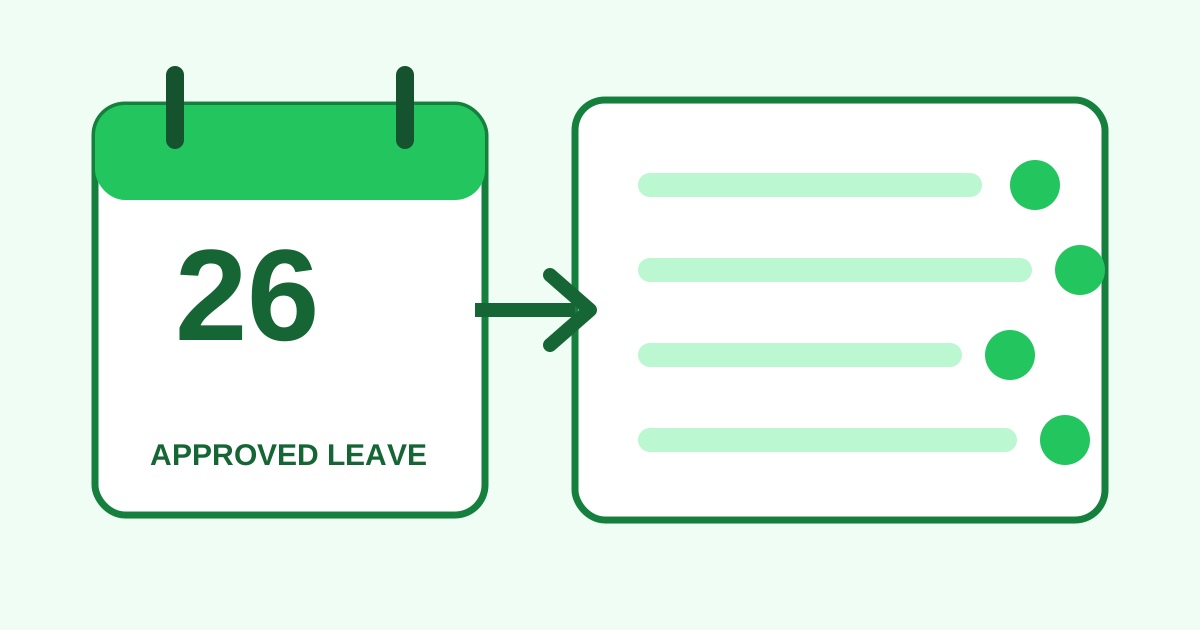
Ask for the roster, reporting location, break arrangement, attendance method, overtime approval process, holiday coverage, shift swaps, and absence procedure. Keep copies of approved schedules and changes. Compare actual records promptly through the attendance correction guide.
Do not assume that a familiar practice is the legal or contractual rule. Working-hour systems and approvals can differ. Ask HR to explain the arrangement applying to your role and obtain professional advice when necessary.
Use one handover format
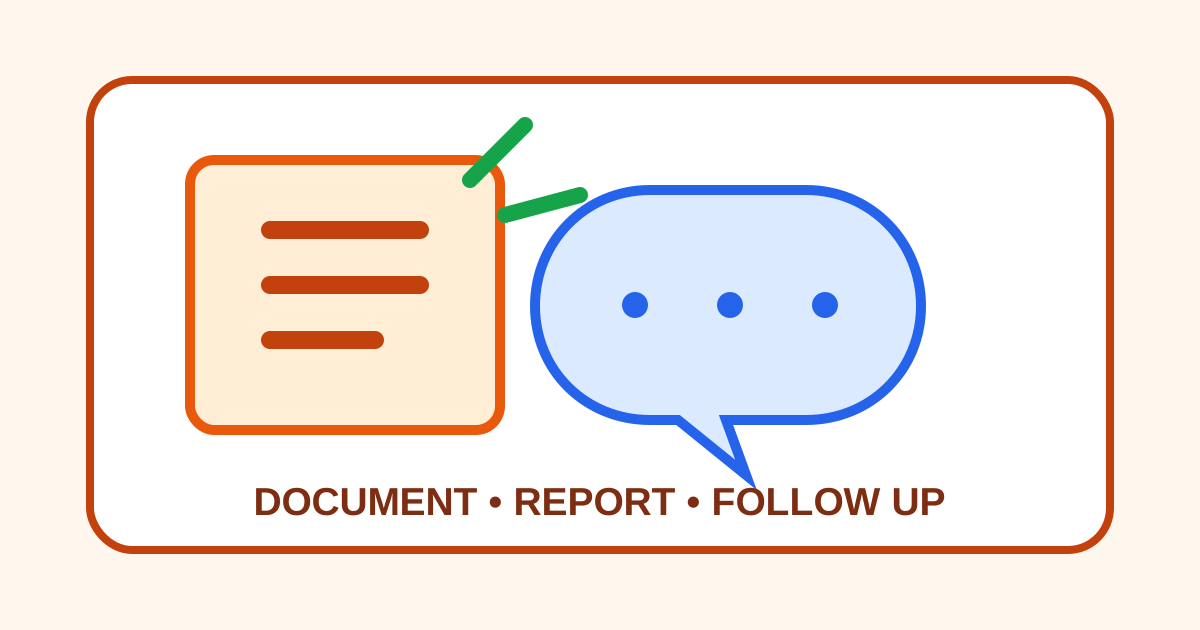
A useful handover answers: What is normal now? What changed? What is unfinished? What is unsafe? Who owns the next action? Include equipment status, incidents, access restrictions, customer commitments, deadlines, and required escalation.
Use plain language, timestamps, units, and names. Where teams work in different languages, agree on critical bilingual terms and use read-back for safety-sensitive instructions. Never place passwords or unnecessary personal data in an open log.
Plan the night safely
Check after-hours building access, security, transport, food and water, rest areas, and emergency contacts. Employees using medication should ask a clinician how shift timing may affect it rather than changing doses independently. Persistent sleep problems deserve medical assessment; the sleep-care guide provides a starting point.
Shift-work checklist
- Current roster and supervisor contacts saved.
- Attendance and overtime processes understood.
- Handover template and critical terms agreed.
- Hazards and unfinished work assigned by name.
- After-hours access and safe transport planned.
- Meals, hydration, and prescribed medication planned.
- Fatigue escalation route known.
- Personal time records reconciled with payroll.
Official reference point
Confirm current scheduling, working-hour, overtime, and safety requirements with HR and the competent local authority. For safety-critical fatigue or health concerns, follow the site procedure and seek qualified medical advice.
Frequently asked questions
Common questions
What should a shift handover include?
Record current status, unresolved work, hazards, abnormal readings, customer or patient needs, deadlines, access issues, and the named person accepting responsibility.
What if the roster changes at short notice?
Save the notice, acknowledge whether you can attend, and raise conflicts through the supervisor or HR process. Confirm how the change will appear in attendance records.
How should I handle unsafe fatigue?
Stop or escalate work according to the site's safety procedure, especially for driving, machinery, clinical, or other safety-critical tasks. Seek medical advice for persistent sleep or health problems.