Family & Education
School Libraries and Textbooks in China: A Guide for Foreign Families
Manage school library accounts, textbooks, digital resources, deposits, damage rules, reading access, and end-of-year returns for children in China.
Rules and procedures can change. Check the linked official sources before acting on time-sensitive information.
Quick answer
What you need to know
Record every issued book and digital account, understand loss and damage rules, support multilingual reading, and clear returns before transfers or year-end deadlines.
- Ask which books are loaned, rented, purchased, shared, or accessed digitally.
- Photograph existing damage and retain issue lists, deposits, payments, and return confirmations.
- Keep school-managed digital accounts separate from personal purchases and family credentials.
- Request accessible or language-appropriate formats early and include books in withdrawal planning.
Books at a school in China can come through several systems at once: a library loan, classroom set, refundable-deposit scheme, purchased workbook, online platform, or teacher-managed reading bag. Families avoid most year-end surprises by recording which system applies to each item.
Map the school’s book systems
Ask the library or administration which materials are borrowed, rented, purchased, included in tuition, or separately billed. Record student ID, title, barcode, issue date, expected return date, condition, and the responsible department. Confirm renewal, reservation, overdue, replacement, and damage rules.
For the broader cost picture, use the school tuition and invoice guide. Pay fees or deposits only through an official school channel and retain the receipt.
Check condition at issue and return
When permitted, photograph torn pages, writing, water damage, missing media, or a broken binding soon after issue and report it through the stated channel. Add the student’s name only where the school instructs. Removable covers can help, but avoid tape, glue, or repairs that the library has not approved.
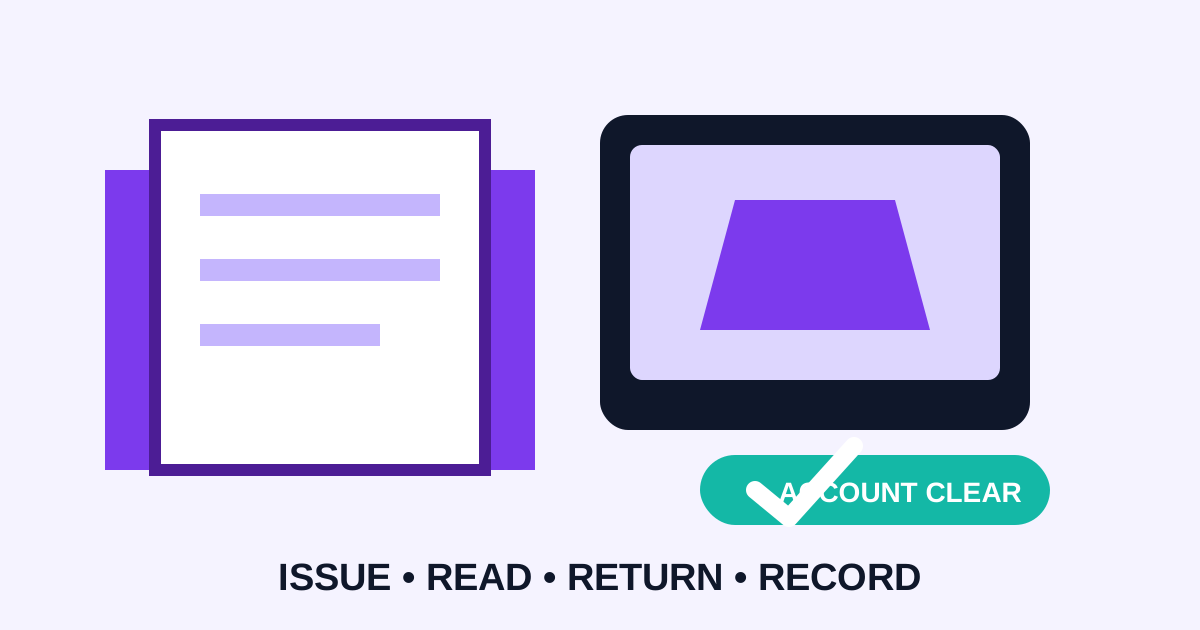
Before return, compare items with the issue list, remove personal papers, and check backpacks, lockers, classroom shelves, home study areas, and transport. Obtain a return receipt or screenshot showing the account is clear.
Keep digital access organized
Record the official platform URL, school-managed email, student username, recovery route, license end date, download limits, and privacy settings. Do not reuse a parent’s banking password or share the student’s login in group chats. Ask whether notes or student-created work can be exported when the course ends.
Digital access does not necessarily transfer when a child changes schools. Preserve only material the license and school permit; do not copy whole copyrighted textbooks. The school device and parent portal guide covers account security and handover.
Support language and accessibility needs
Ask the teacher or librarian how reading level is assessed and whether bilingual books, audiobooks, large print, dyslexia-friendly formatting, or other accessible materials are available. Treat reading level and language development as separate questions; a child may understand complex ideas in one language while building literacy in another.
Discuss individual learning needs with qualified school staff. China’s Ministry of Education provides national education information, but school curricula, licensing, and library practices differ.
Plan for year-end or withdrawal
Start reconciliation well before the last day. Ask every relevant department for outstanding textbooks, library books, instruments, devices, and online accounts. Resolve disputed items with the issue record and condition evidence. Keep proof of payment and clearance with the child’s withdrawal documents.
The school transfer guide helps coordinate transcripts, records, fees, and departure dates.
School-book checklist
- Loaned, rented, purchased, and digital items are labeled by system.
- Barcodes, issue dates, conditions, deposits, and return dates are recorded.
- Existing damage was reported promptly.
- Digital credentials and license end dates are stored securely.
- Language and accessibility formats were discussed with school staff.
- All home, classroom, locker, and transport locations were checked.
- Written clearance and receipts will be kept after return.
Confirm current charges, permitted repairs, digital licensing, accessibility support, and return requirements directly with the school.
Frequently asked questions
Common questions
Do families buy or borrow textbooks in China?
It depends on the school and program. Some books are issued for return, some are included in fees, some require a deposit, and workbooks may become student property. Ask for the written policy.
What if a school book is already damaged?
Photograph and report the damage promptly through the school's designated channel. Keep the dated issue record so pre-existing wear is not confused with later damage.
Can my child keep access to school ebooks after leaving?
Do not assume so. School licenses and accounts may end at withdrawal. Ask how to export permitted notes or student work without copying licensed material unlawfully.
How should we handle a lost library book?
Notify the library, ask whether replacement or a fee is required, pay only through an official school channel, retain the receipt, and confirm the account is cleared.