Daily Life
Car Breakdowns and Roadside Assistance in China: A Guide for Foreign Drivers
A practical response plan for foreign drivers facing a breakdown in China, covering safe stopping, expressways, assistance, towing, insurance, repairs, payment, and records.
Rules and procedures can change. Check the linked official sources before acting on time-sensitive information.
Quick answer
What you need to know
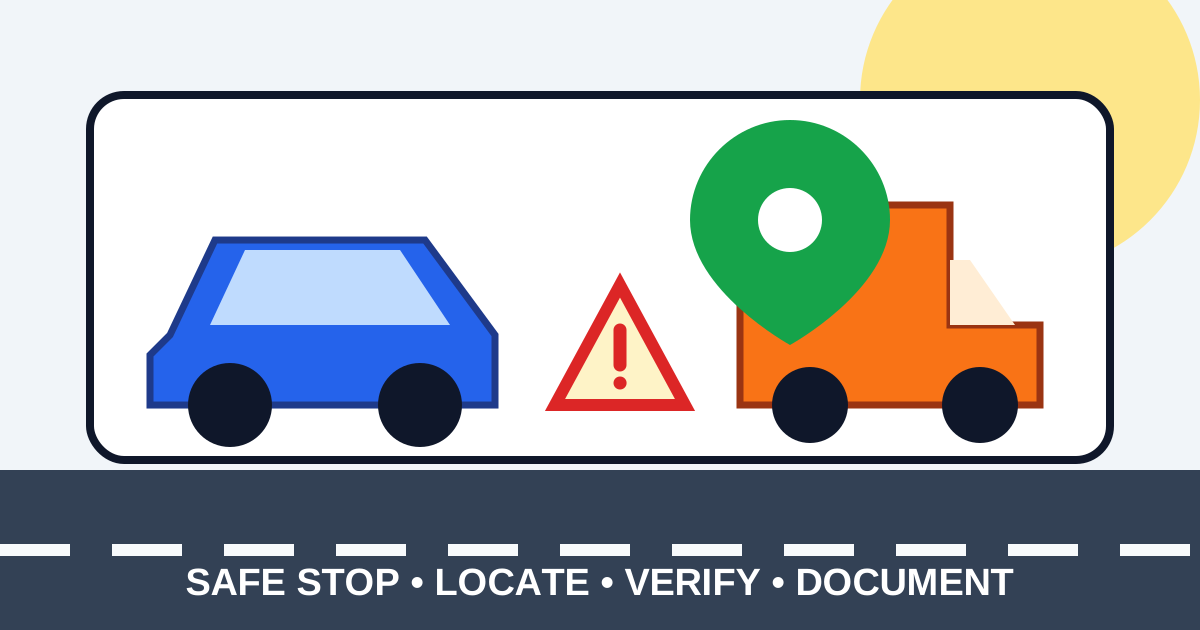
Move out of traffic when safe, warn other road users without exposing yourself, identify the road and direction, use a verified assistance channel, and document towing, repair, and payment.
- Personal safety and traffic protection come before diagnosing the vehicle.
- On an expressway, follow current police and road-operator instructions and wait in a safer location when directed.
- Verify the towing provider, destination, pricing, and authorization before the vehicle moves when circumstances allow.
- Keep photos, location, service order, diagnosis, replaced-part record, invoice, and payment proof.
A breakdown is harder when road signs, assistance calls, repair estimates, and payment discussions happen in an unfamiliar language. Prepare verified phone numbers and a short bilingual vehicle record before the first problem.
Make the scene safer
If the vehicle can move safely, leave the traffic lane and stop in a permitted safer place. Switch on hazard lights and follow current rules for warning devices. Do not stand in live traffic or attempt a repair where passing vehicles create danger.
On an expressway, prioritize getting occupants away from traffic when it is safe and instructed, then contact the appropriate traffic police or road operator. For injury, fire, smoke, fuel leakage, collision, or immediate danger, contact emergency services and describe the road, direction, kilometer marker, nearby exit, vehicle, and hazards.
If a collision caused the stop, follow the separate traffic accident guide and avoid moving evidence unless safety or official instructions require it.
Identify the location and vehicle
Open a trusted map and capture the coordinates, road name, direction, nearest marker or landmark, and a safe callback number. Have the plate number, make, model, color, fuel or power type, insurer, policy, and vehicle identification details available.
Ask a Chinese-speaking colleague or assistance interpreter to help if the exact location or hazard is difficult to communicate. Do not share unnecessary identity or payment details with an unverified caller.
Arrange verified assistance
Use the manufacturer, insurer, rental company, expressway operator, or a known assistance provider. Confirm the case number, dispatch company, truck plate, driver’s name, estimated arrival, covered services, fee basis, destination, and who can authorize repair.
Before towing, photograph the vehicle and visible damage. Remove passports, electronics, cash, medication, house keys, and irreplaceable items if safe. Ask whether the vehicle will go to a dealership, insurer-approved shop, storage yard, or other facility and what storage charges may apply.
Control the repair decision
Request an intake record, diagnosis, itemized estimate, completion time, warranty, and approval requirement for additional work. Separate urgent work needed to make the vehicle safe from optional maintenance. Ask to retain or photograph replaced parts where permitted.
For recurring ownership administration, see car inspection and insurance renewal. Coverage varies, so confirm towing, roadside, rental, and repair benefits with the insurer rather than assuming.
Breakdown checklist
- Vehicle moved out of live traffic when safe; hazards communicated.
- Occupants positioned in a safer location under current official guidance.
- Road, direction, marker, coordinates, vehicle, and callback number recorded.
- Verified assistance channel used and case number saved.
- Tow operator, destination, scope, pricing, and storage terms confirmed.
- Vehicle condition and valuables documented before towing.
- Diagnosis, estimate, changes, warranty, and insurer approval recorded.
- Itemized invoice, payment proof, and replaced-part record retained.
Official reference points
Roadside rules, emergency numbers, expressway procedures, towing prices, and insurance benefits can vary. Follow on-scene police and road-operator instructions and confirm current coverage and repair authorization with the insurer, vehicle provider, or rental company.
Frequently asked questions
Common questions
Who should I call after a breakdown in China?
Use the vehicle maker, insurer, expressway operator, rental company, or another verified assistance channel as appropriate. Call emergency services when there is immediate danger, injury, fire, or a traffic incident.
Should I stay inside the car on an expressway?
Follow current traffic-police and road-operator safety instructions. If it is safe and directed, occupants generally should move away from live traffic to a protected location rather than remain exposed near the vehicle.
Can I accept help from the first tow truck that arrives?
When it is safe to verify, confirm who dispatched it, the legal operator, destination, service scope, estimated charges, and payment method before authorizing the tow.
What documents should I keep after repair?
Keep the assistance case, tow order, intake inspection, diagnosis, estimate, approved changes, replaced parts record, warranty, itemized invoice, payment proof, and insurance correspondence.