Daily Life
Traffic Accidents in China: A Practical Guide for Foreigners
Know what to do after a road accident in China: protect the scene, contact police and insurers, document facts, obtain records, and arrange medical follow-up.
Rules and procedures can change. Check the linked official sources before acting on time-sensitive information.
Quick answer
What you need to know
Prioritize safety and medical care, call the appropriate emergency service, document the scene without arguing fault, and preserve official and insurance records.
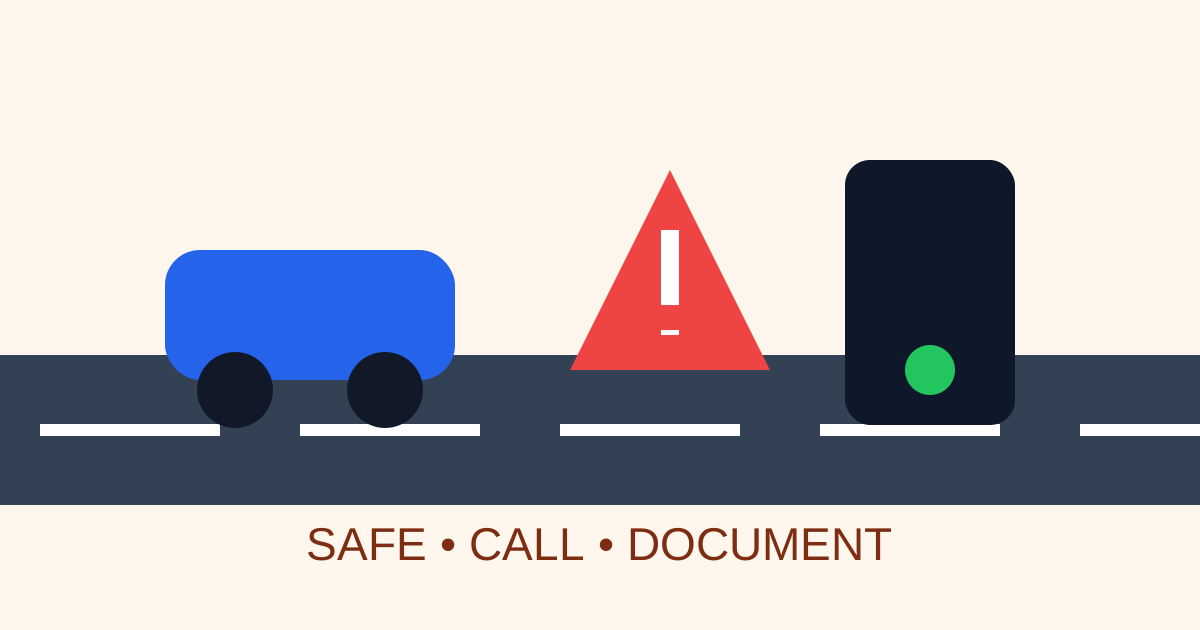
- Move to safety when necessary, call 120 for medical emergencies and 122 for traffic police where available.
- Do not admit fault, negotiate under pressure, or leave before understanding police instructions.
- Photograph the scene, vehicles, plates, signals, damage, and documents when safe and permitted.
- Report promptly to the vehicle, rental, employer, or travel insurer that may cover the incident.
A collision is confusing in any language. A simple response plan helps a foreign driver, cyclist, passenger, or pedestrian protect health, preserve facts, and communicate with police and insurers.
This guide is general safety information, not legal or medical advice. Local traffic rules and case handling differ; follow traffic police, emergency clinicians, and your insurer.
Make the scene safer
Check for immediate danger without putting yourself in traffic. Call 120 for serious injury and 122 for traffic police where available; 110 can coordinate police assistance. Give a landmark, road direction, intersection, and live location pin if possible.
Do not move an injured person unless there is imminent danger or emergency staff instruct you. Use hazard lights or a warning triangle when safe. Follow police instructions on whether vehicles should remain or move.
Record facts, not conclusions
When safe, photograph the overall scene before close-ups: lane markings, signals, vehicle positions, plates, damage, debris, weather, and nearby cameras. Note the time and obtain the other party’s name, contact, vehicle, licence, and insurance information as permitted.
Avoid arguing about fault or signing text you do not understand. Ask for an interpreter or trusted bilingual support, and request a copy or reference number for any police record.
Notify the right insurer
Call the motor insurer promptly and follow evidence, inspection, repair, and towing instructions. For a rental or employer vehicle, contact the rental company or fleet manager before arranging repairs. Passengers and pedestrians should also check travel, employer, health, or personal accident coverage.
Keep every invoice, diagnosis, image, police document, tow record, and communication. The medical insurance claims guide explains how to organize healthcare evidence.
Arrange follow-up
Some symptoms appear later. Seek clinical advice if pain, dizziness, confusion, weakness, breathing trouble, or other concerning symptoms develop. Do not rely on a roadside assessment for medical reassurance.
If you drive regularly, review the foreign licence guide and save emergency contacts offline.
Road-accident checklist
- Protect people from immediate danger.
- Call 120 for medical emergencies and traffic police for the collision.
- Share a precise location and direction of travel.
- Photograph the scene before vehicles move when safe.
- Exchange permitted identity, vehicle, and insurance details.
- Avoid admissions, pressured payments, or unread documents.
- Obtain police and insurer reference numbers.
- Preserve medical, towing, repair, and communication records.
Official reference points
Confirm local procedures with traffic police and insurers. For injuries, liability disputes, or significant losses, consult appropriate medical and legal professionals.
Frequently asked questions
Common questions
Which number should I call after a traffic accident in China?
Call 120 for urgent medical assistance and 122 for traffic police where that service operates; 110 can coordinate police help. Explain your location clearly and follow local instructions.
Should vehicles be moved?
Safety and local police instructions come first. In minor cases local rules may require clearing traffic after documenting the scene, while serious injury or disputed circumstances may require preserving it. Ask police.
Can I settle privately at the roadside?
Do not agree under pressure. A private settlement can affect evidence and insurance. Contact traffic police and the relevant insurer before signing or paying anything.
What if I was riding an e-bike?
The same priorities apply: safety, medical care, police reporting, evidence, and insurance notice. Vehicle classification and local rules vary, so confirm them with traffic police.