Daily Life
Pet Grooming Services in China: A Safety Guide for Foreign Residents
Choose and use pet grooming services in China with clearer health disclosures, service instructions, pricing, transport, handover, and incident records.
Rules and procedures can change. Check the linked official sources before acting on time-sensitive information.
Quick answer
What you need to know
Check the provider, disclose health and behavior needs, agree on the exact service and price, document handover, and inspect your pet promptly after pickup.
- Choose a provider whose handling, hygiene, ventilation, restraint, drying, and emergency procedures you can understand.
- Disclose medical, skin, mobility, vaccination, parasite, stress, bite, and escape risks before the appointment.
- Agree on coat length, products, optional services, matting decisions, timing, and total charges in writing.
- Seek veterinary advice for injury, significant distress, or a skin or ear problem rather than asking a groomer to diagnose it.
A grooming appointment combines animal handling, sharp tools, water, dryers, products, and an unfamiliar environment. Clear instructions matter even more when the owner and provider do not share a first language.
Inspect the provider
Ask your veterinarian, boarding provider, building community, or trusted pet owners for current recommendations. Visit before booking when practical. Look for controlled entry doors, species separation, clean equipment, suitable ventilation, safe tables and tubs, monitored drying, secure holding areas, and staff who can explain their process.
Ask who performs the service, whether animals are ever left unattended, how tools and surfaces are cleaned, what restraint methods are used, and what happens during a fire, escape, bite, injury, or medical concern. If transport is offered, confirm the vehicle, carrier, handover, route, temperature control, and tracking process.
Share a pet profile
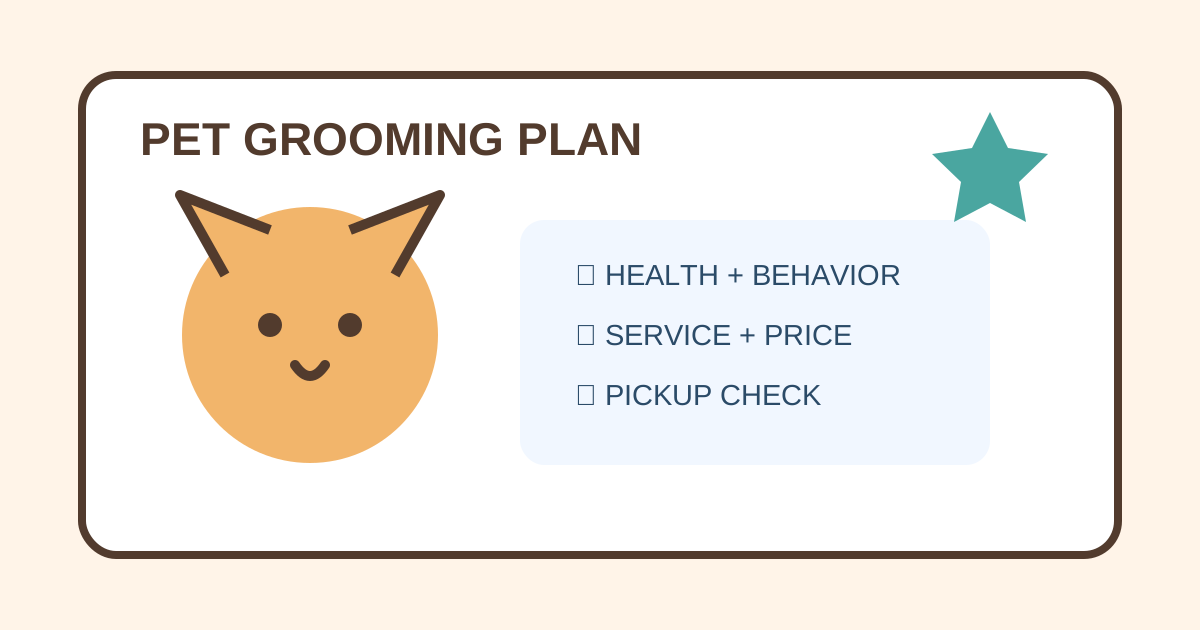
Give the provider the pet’s name, species, breed or coat type, age, weight, identification details, owner contacts, veterinarian, and emergency decision plan. Disclose mobility limits, previous surgery, allergies, sensitive skin, ear or eye problems, medications, pregnancy, parasites, vaccination status, bite history, escape behavior, noise sensitivity, and grooming anxiety.
Do not conceal a handling risk to secure an appointment. Ask your veterinarian—not the groomer—whether grooming should be postponed or modified for a health issue. The pet healthcare guide covers routine veterinary coordination.
Define the service precisely
Use front, side, and rear photos to show the intended result. Agree on bath, drying method, brushing, de-shedding, haircut length, nail care, ear-area cleaning, paw or sanitary trim, and any service you decline. Ask what happens if matting, a wound, parasites, or an unexpected condition is found.
Confirm the base price, size or coat surcharge, matting fee, optional products, transport, late pickup, cancellation, estimated finish time, and payment method. Ask the provider to contact you before adding a service or making a substantially shorter cut.
Plan a safe handover
Use a secure carrier or correctly fitted leash and harness. Give written bilingual notes where needed, but review them verbally too. Photograph the pet’s coat and any existing marks at handover without delaying staff or stressing the animal.
Keep your phone available. The consent record should state who may approve veterinary care, which clinic to use, and how spending decisions will be handled if you cannot be reached. Do not sign a form you do not understand; request an explanation or language help.
Check at pickup
Before leaving, check your pet’s general behavior, breathing, walking, eyes, ears, skin, nails, coat, and belongings. Ask what staff observed, which products were used, whether the pet ate or drank, and whether any incident occurred. Get an itemized receipt and next-care instructions.
Contact a veterinarian promptly about bleeding, burns, breathing difficulty, collapse, significant pain, persistent distress, a wound, or another concerning change. For urgent situations, use the pet emergency veterinary guide. This article is general planning guidance, not veterinary advice.
Grooming appointment checklist
- Provider, facility, handler, and emergency process checked.
- Health, behavior, stress, and escape risks disclosed.
- Exact service, products, timing, and price confirmed.
- Secure transport and handover arranged.
- Veterinary contact and consent limits recorded.
- Phone kept available during the appointment.
- Pet inspected immediately at pickup.
- Receipt, messages, and incident records saved.
Provider practices and local requirements vary. Confirm animal-health decisions with a qualified veterinarian and service or consumer disputes with the appropriate local authority or professional adviser.
Frequently asked questions
Common questions
What should I bring to a pet grooming appointment?
Bring secure transport equipment, identification and contact details, relevant health or behavior notes, reference photos, and any product specifically recommended by your veterinarian.
Can a groomer treat an ear or skin problem?
A groomer can report what they observe but should not replace a veterinarian. Ask a qualified veterinarian to assess pain, discharge, wounds, persistent itching, infection, or another medical concern.
How can I avoid a haircut misunderstanding?
Use photos, identify the body areas precisely, agree on approximate length and matting options, and state what must not be cut. Ask the provider to confirm before making a major change.
What if my pet is injured or becomes unwell?
Ask the provider to stop, preserve a factual timeline, and contact you and an agreed veterinary clinic. Seek veterinary care based on urgency and keep all records, photos, and receipts.