Daily Life
Pet Healthcare in China: Vet Clinics, Vaccinations, Records, Medicine, Insurance, and Emergencies
A practical English guide for foreign residents managing pet healthcare in China, including veterinary clinics, vaccinations, medical records, medicine, insurance, emergencies, travel, and apartment coordination.
Rules and procedures can change. Check the linked official sources before acting on time-sensitive information.
Quick answer
What you need to know
Foreign pet owners in China should choose a reliable vet clinic, keep vaccination and medical records, save medicine instructions, plan emergency contacts, understand apartment rules, and prepare documents before travel or relocation. Pet care is easier when records are organized before a problem appears.
- Choose a vet clinic before an emergency and save its address, hours, and phone number.
- Keep vaccination, deworming, medicine, surgery, microchip, and travel records.
- Confirm medicine dosage, side effects, and follow-up dates in writing.
- Check apartment, compound, transport, and travel rules for pets.
- Prepare emergency contacts and carrier supplies before urgent care is needed.
Pet healthcare in China is much easier when you prepare before your pet is sick. Vet clinics are available in many cities, but language, records, medicine instructions, and emergency timing can make stressful moments harder.
Build a pet file and choose a clinic early.
1. Choose a clinic before an emergency
Save the clinic name, Chinese address, phone number, opening hours, emergency option, and whether English support is available. If you move cities, update the clinic list.
For pet housing basics, read Renting with Pets in China.
2. Keep a complete pet file
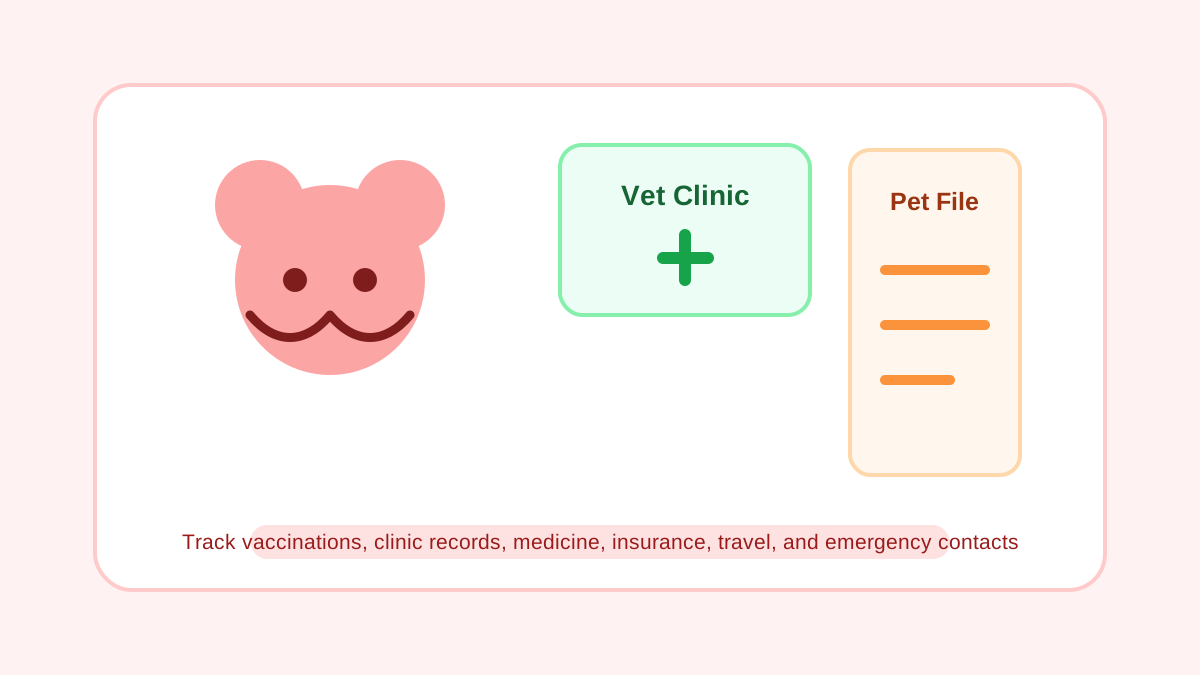
Save vaccination records, deworming, microchip details, medicine history, allergies, surgeries, test results, insurance, and travel documents. Keep photos of paper records on your phone.
3. Confirm medicine instructions
Ask for dosage, timing, food restrictions, side effects, warning signs, and follow-up date. If instructions are in Chinese, translate them and confirm important points with the clinic.
4. Plan apartment and compound routines
Pet healthcare is connected to daily management: cleaning, noise, neighbors, elevators, waste disposal, grooming, and emergency access for service workers.
For neighborhood habits, read Neighborhood Etiquette in China.
5. Prepare for travel or relocation
Before trips, check transport rules, carrier size, hotel acceptance, vaccination timing, and whether your pet needs paperwork for travel.
Practical checklist
- I saved vet clinic contacts and emergency options.
- I keep vaccination, microchip, medicine, and insurance records.
- I confirm medicine dosage and follow-up dates in writing.
- I understand compound and apartment pet routines.
- I prepare documents before travel or relocation.
Official sources
- State Council: A Guide to Working and Living in China as Business Expatriates
- Ministry of Commerce: Guide for Business Expatriates
Frequently asked questions
Common questions
Can foreigners use vet clinics in China?
Yes. Foreign pet owners can use local or international-style veterinary clinics, depending on city, language needs, price, and service availability.
What pet records should I keep?
Keep vaccination, deworming, microchip, medicine, surgery, allergy, insurance, travel, and emergency records.
Should I find a vet before my pet is sick?
Yes. Save a clinic contact, opening hours, emergency option, and Chinese address before an urgent situation.
Can pet medicine instructions be confusing?
Yes. Confirm dosage, timing, food restrictions, side effects, and follow-up dates in writing.
Do apartment rules affect pet healthcare?
Indirectly yes. Compound rules, neighbors, cleaning, noise, and pet registration expectations can affect daily pet management.