Daily Life
Moving with Pets Between Cities in China: Transport, Records, and Arrival Checklist
A practical guide for foreign residents moving cats or dogs between Chinese cities, covering carrier rules, health records, housing, travel day, and arrival setup.
Rules and procedures can change. Check the linked official sources before acting on time-sensitive information.
Quick answer
What you need to know
Plan the pet's route before booking your own move: verify carrier and destination rules, update health records, secure pet-friendly housing, and build a safe arrival routine.
- Transport operators, cities, compounds, and landlords may apply different pet requirements.
- Confirm the exact animal, route, carrier, container, document, and timing rules in writing.
- Keep identity, vaccination, treatment, and veterinary records accessible throughout the move.
- Prepare a quiet first-night space before household goods arrive.
Moving a pet between Chinese cities is a chain of dependent decisions. The new home must permit the animal, the transport operator must accept the route and container, and the pet’s health and identity records must be ready on the correct date.
Confirm the destination before transport
Get written pet permission from the landlord and check compound rules, lift access, nearby walking areas, window safety, noise expectations, and any local registration questions. Use the renting with pets guide before paying a deposit.
Ask a veterinarian at the destination whether local expectations differ for dogs and cats. Rules and practical enforcement can vary, so do not assume records from the old city automatically complete every step.
Build the route around the animal
Compare accompanied road travel, a specialist pet transporter, and any carrier-supported rail or air option actually available for your route. Ask who handles check-in and collection, where the animal waits, how temperature is managed, and what happens after a delay or cancellation.
Confirm crate dimensions, materials, labels, water container, document originals, check-in deadline, and collection identity requirements. Avoid handing a pet or passport copy to an unverified intermediary.
Schedule a veterinary review
Bring vaccination and treatment history, microchip information if applicable, current medicines, and the planned itinerary. Ask the veterinarian about fitness for travel and any carrier-required certificate. Never start medication solely from online advice; see Pet Healthcare in China.
Protect moving day
Keep the pet in a closed, labeled room while movers work. Pack food, water, bowls, litter or waste supplies, leash or harness, cleaning materials, familiar bedding, medicines, records, and recent photos separately. Put an active Chinese phone number on the carrier without exposing unnecessary personal data.
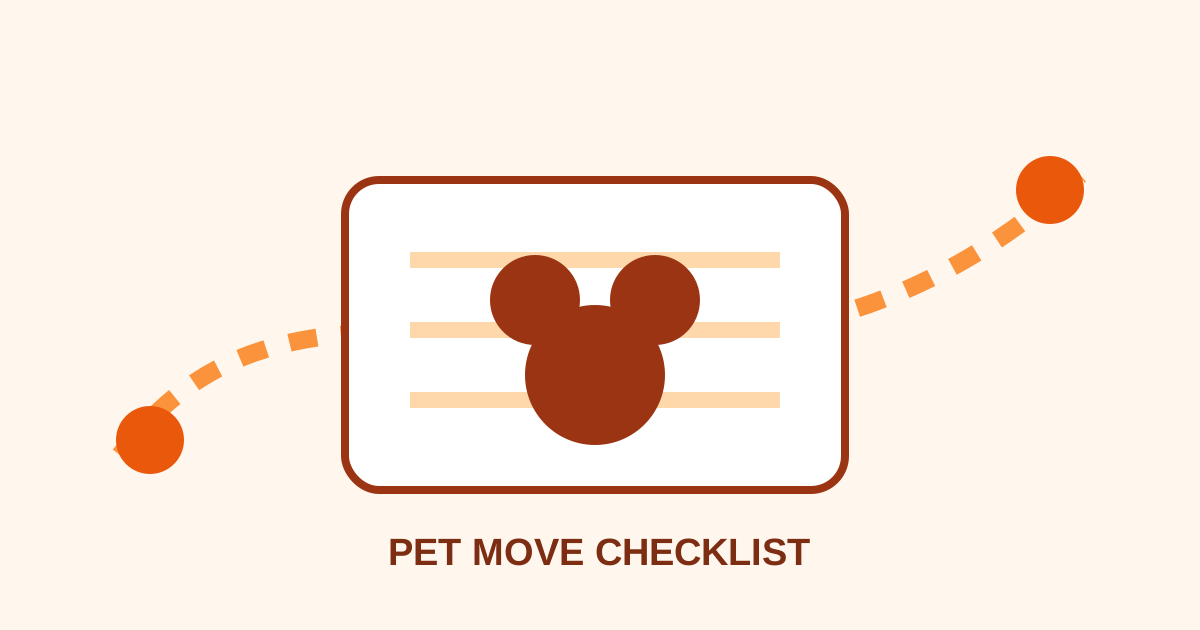
Pet relocation checklist
- New lease and compound pet permission confirmed in writing.
- Destination veterinary clinic and emergency contact saved.
- Operator, route, container, temperature, handoff, and delay rules verified.
- Vaccination, treatment, identity, and required travel records current.
- Veterinarian consulted about health, feeding, and medication.
- Carrier introduced before travel and checked for secure fasteners.
- Moving-day isolation room and dedicated pet bag prepared.
- New home’s doors, screens, balcony, plants, and chemicals checked.
- Registration, address tag, and routine updated after arrival.
Official reference points
Those agencies are starting points, not confirmation that a particular journey is accepted. Verify current requirements with the carrier, veterinarian, destination authority, landlord, and compound.
Frequently asked questions
Common questions
Can a pet travel on a train or domestic flight in China?
Options and conditions depend on the operator, route, animal, and current rules. Ask the carrier directly before buying nonrefundable tickets.
Do I need a health certificate?
The required record depends on the transport method and destination. Ask the carrier and relevant local animal-health authority or veterinarian for the current checklist and validity period.
Should I sedate my pet for travel?
Do not give sedatives or other medicine without advice from a veterinarian who knows the animal and the planned journey.
What should I do first after arrival?
Secure doors and windows, offer water, keep the environment quiet, confirm building access, and identify a nearby veterinary clinic before expanding the pet's space.