Working in China
Leaving a Job in China: Resignation, Handover, Final Pay, Tax Records, and Permit Planning
A practical English guide for foreign employees leaving a job in China, including resignation notice, handover, final payroll, tax records, work permit transfer or cancellation, residence planning, and documents to keep.
Rules and procedures can change. Check the linked official sources before acting on time-sensitive information.
Quick answer
What you need to know
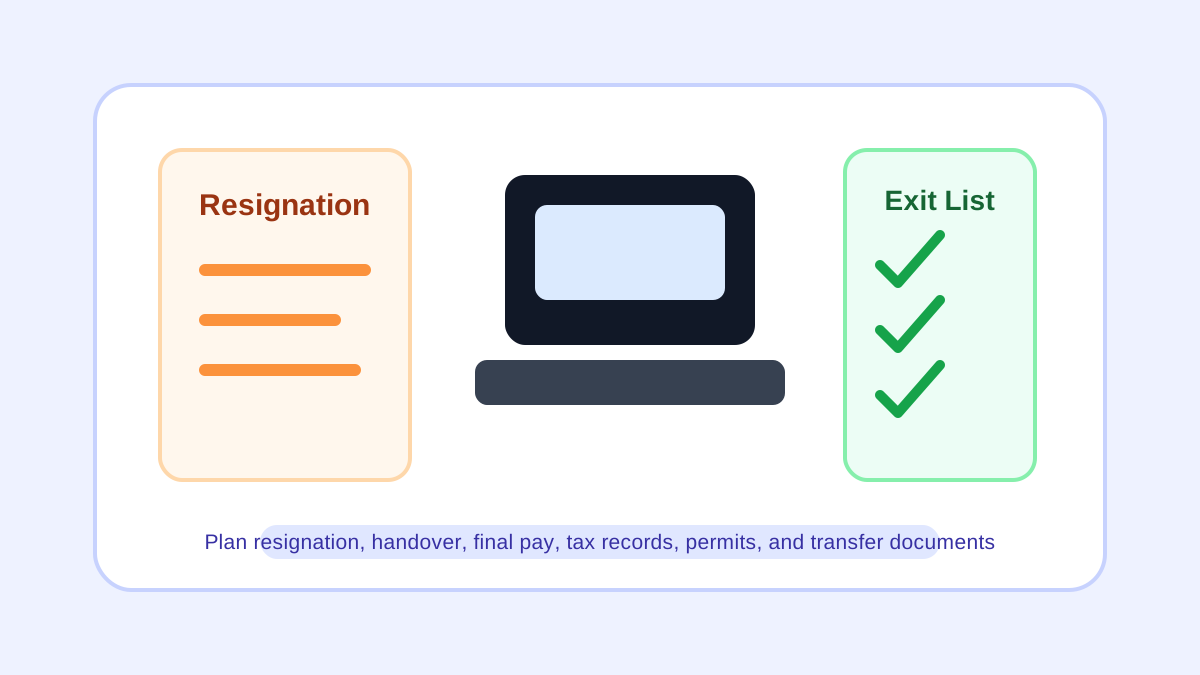
Foreign employees leaving a job in China should plan resignation, handover, final pay, tax records, benefits, employer documents, and work or residence permit next steps before the last day. Keep written records because the next employer, bank, landlord, or tax process may need proof later.
- Review contract notice, non-compete, benefits, relocation repayment, and handover clauses before resigning.
- Coordinate work permit, residence permit, transfer, cancellation, or exit planning with HR.
- Keep final payslips, tax records, employment proof, resignation acceptance, and handover confirmation.
- Return company property and document the return.
- Do not let permit and housing deadlines drift after employment ends.
Leaving a job in China should be managed as carefully as starting one. For foreign employees, resignation affects not only the employer relationship but also payroll, tax, benefits, housing, and work or residence permit planning.
The safest approach is to clarify the exit process before your last day.
1. Review your contract first
Before resigning, read notice period, handover duties, confidentiality, non-compete, relocation repayment, bonus, unused leave, and final payroll clauses.
For contract basics, read China Employment Contracts for Foreign Employees.
2. Ask HR about permit next steps
If you will join another employer, leave China, or take time between jobs, ask HR what documents and timing apply. Work permit and residence permit handling can affect your next move.
For residence timing, see China Residence Permit Renewal.
3. Build a clean handover record
List projects, passwords or access transfers, client status, documents, equipment, and outstanding decisions. Get written confirmation when handover is complete.
4. Keep final payroll and tax records
Save final payslip, bonus or commission records, tax withholding records, social insurance or benefit documents, and reimbursement approvals.
For tax planning, read China Tax Return for Foreigners.
5. Do not forget housing and daily accounts
If your employer supported housing, phone, bank letters, insurance, or family documents, check what changes after departure.
Practical checklist
- I reviewed notice, benefits, non-compete, repayment, and final pay clauses.
- I confirmed permit transfer, cancellation, or exit timing with HR.
- I documented handover and returned company property.
- I saved final payroll, tax, and employment records.
- I checked housing, insurance, bank, and family impacts.
Official sources
- China Government Service Platform: Foreigner’s Work Permit in China
- State Council: A Guide to Working and Living in China as Business Expatriates
Frequently asked questions
Common questions
What should foreigners do before resigning in China?
Review the contract, confirm notice requirements, plan handover, ask about permit handling, and prepare records for final pay and tax.
Can I change employers in China without new paperwork?
Do not assume so. Job changes can affect work permit and residence records, so coordinate with the current and next employer.
What records should I keep after leaving?
Keep resignation records, handover confirmation, final payslips, tax records, work permit documents, employment proof, and benefit settlement records.
Should I return company property with proof?
Yes. Keep written confirmation when you return laptop, phone, access cards, documents, or other property.
Is this legal advice?
No. This is a practical planning checklist. For disputes, immigration questions, or contract-specific issues, use qualified HR, immigration, or legal support.