Daily Life
Landlord Entry and Maintenance Access in China: A Guide for Foreign Renters
Manage landlord, agent, technician, and property-management access to a rented home in China with written appointments, identity checks, supervision, and records.
Rules and procedures can change. Check the linked official sources before acting on time-sensitive information.
Quick answer
What you need to know
Confirm who needs access and why, agree on a time and scope in writing, protect valuables and personal data, and document the condition and work before closing the visit.
- Keep the lease, handover record, landlord details, agent authority, and property-management contacts easy to retrieve.
- Ask for the visitor's name, company, purpose, time window, rooms affected, and expected work before granting access.
- Use a trusted representative when you cannot attend, and never send unrestricted door codes or identity documents through an unverified chat.
- Photograph the relevant area before and after work and record keys, costs, damage, follow-up, and any unresolved disagreement.
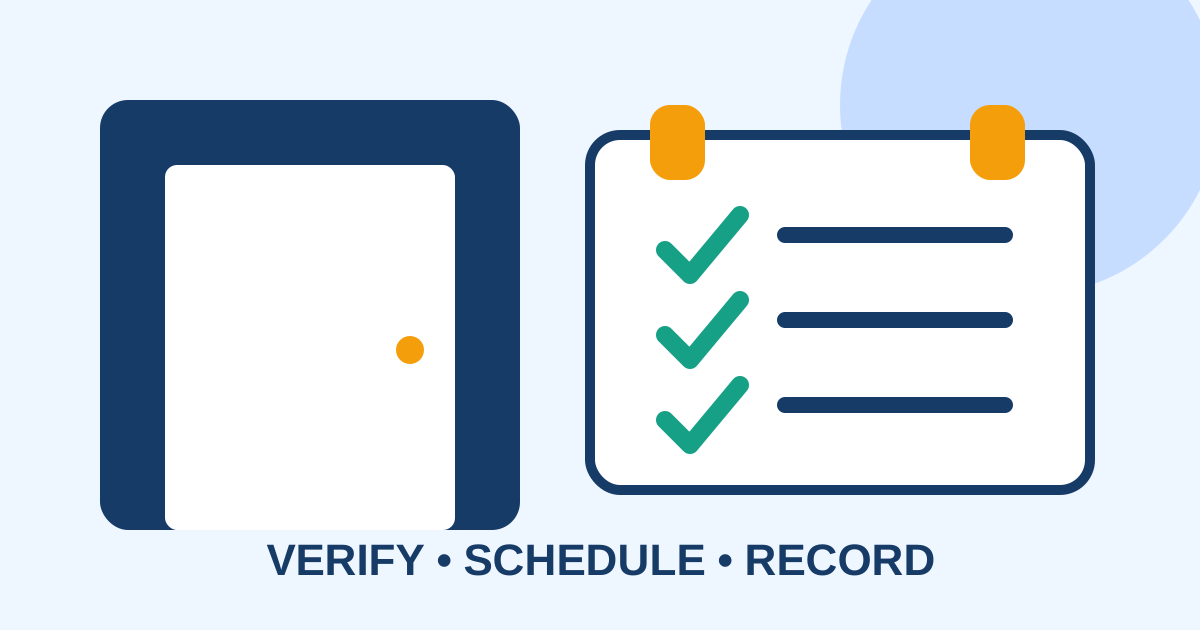
An apartment repair may involve the landlord, rental agent, compound management office, building engineer, utility worker, or an outside technician. A clear appointment record prevents confusion about who may enter, what they may do, and who will pay.
Start with the lease and verified contacts
Save the signed lease, inventory, move-in photos, landlord identity and payment details, agent authorization, and property-management number. Check clauses on inspections, repairs, emergencies, notice, keys, and costs. Keep communication in a channel that preserves dates and attachments.
If someone contacts you unexpectedly, verify the request through the landlord, agent, or management number you already know. Do not rely on a new number, badge photo, QR code, or payment request alone. The property-management guide explains compound service channels.
Define the appointment in writing
Record the visitor’s name, employer, phone, purpose, date, arrival window, estimated duration, rooms affected, tools or shutdowns required, and whether the landlord or agent will attend. Ask whether water, electricity, gas, internet, elevators, or shared areas will be interrupted.
For non-urgent work, obtain a diagnosis and quote before authorizing changes. Clarify parts, labor, cleanup, warranty, invoice or receipt, and payment responsibility. Do not approve unrelated work merely because a technician is already inside.
Protect the home during access
Attend if practical. Otherwise, reschedule or authorize a trusted adult with a narrow written scope. Put passports, bank cards, medicines, work devices, confidential papers, and valuables away. Keep children and pets clear of tools and open doors.
For a smart lock, create a time-limited code if supported and remove it afterward. Never publish an access code in a building group. See the smart-lock guide for access hygiene.
Photograph the affected area before work. During the visit, avoid unsafe interference, but ask before drilling, moving furniture, opening private storage, or taking images beyond the repair area.
Close the visit with evidence
Test the repair, photograph the result, collect replaced parts if appropriate, and record remaining defects. Confirm keys and access cards returned, temporary codes revoked, debris removed, invoice received, and the warranty or callback route saved.
If new damage appears, send dated photos and a neutral description promptly. Keep the lease, messages, quotations, payment records, and service ticket together. For wider repair disputes, use the landlord repairs guide.
Access checklist
- Lease, inventory, and verified landlord or agent contact retrieved.
- Visitor, company, purpose, date, time window, and rooms confirmed.
- Diagnosis, quote, parts, warranty, invoice, and payer agreed.
- Valuables, documents, medicines, children, pets, and work data protected.
- Temporary access limited and later revoked.
- Before-and-after photos and technician details saved.
- Repair tested and follow-up date recorded.
- Any disagreement documented without surrendering original evidence.
China’s national legal-information portal, National Laws and Regulations Database, is an official place to consult published laws. Lease interpretation and local housing procedures can vary, so confirm a disputed or high-value matter with the housing authority, a qualified lawyer, or another appropriate local professional.
Frequently asked questions
Common questions
Can a landlord enter my rented apartment without telling me?
The answer depends on the lease, the reason for entry, the urgency, and applicable local rules. Review the contract and ask the landlord or agent to arrange non-emergency access in writing; seek qualified advice if a dispute continues.
What if I cannot be home for a repair?
Ask whether the appointment can be moved or nominate a trusted adult in writing. Define the rooms and work allowed, and ask for arrival, completion, and photo updates.
Should I give a technician my smart-lock code?
Prefer a temporary or one-time method if your lock supports it, share it only through a verified contact, and revoke it immediately after the visit.
Who pays for the repair?
Responsibility depends on the lease, cause, item, warranty, and local rules. Get the diagnosis, quote, approval, invoice, and payment responsibility in writing before non-urgent work begins.