Daily Life
Home Renovation and Contractors in China: A Guide for Foreign Residents
How foreign homeowners and renters in China can obtain permission, define contractor scope, control payments, protect neighbors, document work, and close out repairs safely.
Rules and procedures can change. Check the linked official sources before acting on time-sensitive information.
Quick answer
What you need to know
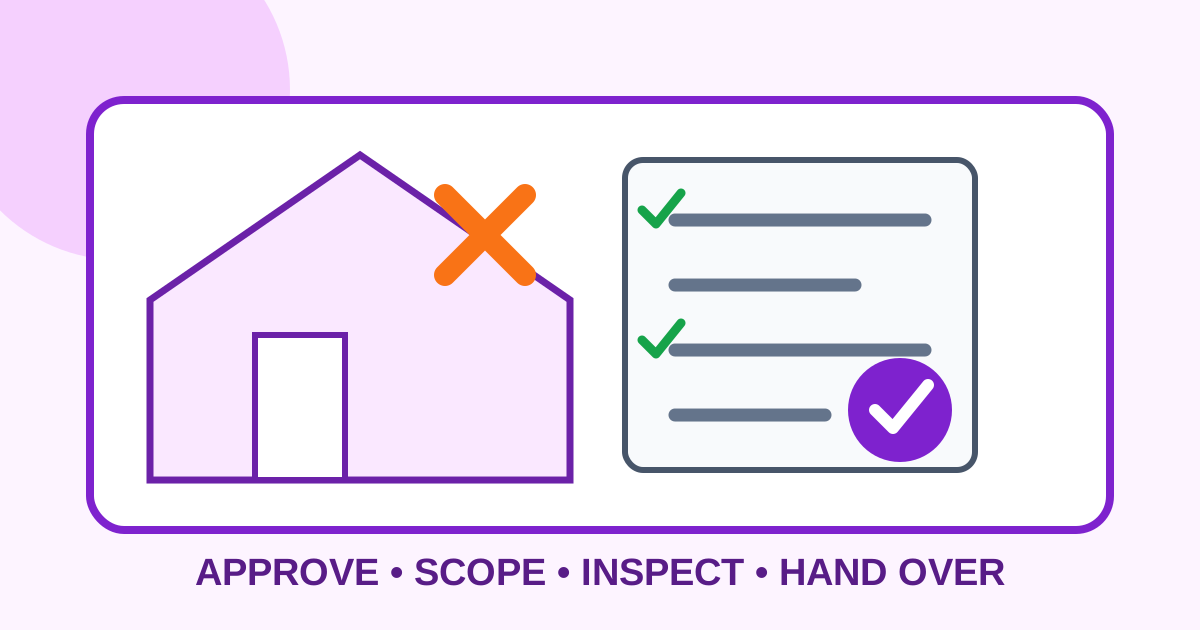
Get owner and property-management approval before work, define scope and responsibility in writing, use milestone payments, document concealed work, and close permits, warranties, waste, and access records.
- Renters should obtain written landlord approval before altering the property.
- Property management may control access, work hours, deposits, elevators, and construction waste.
- A written scope, materials schedule, price, timeline, and change process reduce disputes.
- Photograph utilities and concealed work before walls or floors are closed.
Even a modest apartment upgrade can affect the lease, building rules, utilities, fire safety, neighbors, deposits, and future move-out. Treat the project as a controlled handover with written approvals and evidence at every stage.
Get permission before demolition or drilling
If you rent, review the lease and obtain the landlord’s written approval. Define which changes are allowed, who owns installed items, who pays, what must be restored, and how the security deposit is affected. For ordinary maintenance responsibility, begin with the landlord repairs guide.
Ask property management about registration, contractor IDs, work permits, deposits, approved hours, elevator protection, material delivery, noise, fire controls, structural limits, and construction-waste removal. Do not modify load-bearing elements, shared systems, gas, major electrical, or fire equipment without the required qualified review and approvals.
Turn the quote into a usable scope
Record drawings, measurements, demolition, protection, material brands and grades, quantities, finishes, labor, transport, cleanup, taxes, invoice arrangements, exclusions, start and completion dates, warranty, and responsibility for damage. Attach photos of the starting condition.
Compare quotes on the same scope. A low total may exclude disposal, surface preparation, fittings, delivery, or finishing. Verify the contractor’s identity, business details, references, and insurance or qualifications relevant to high-risk work.
Control changes and payments
Use a written change process: description, price, schedule effect, and approval before work continues. Pay through traceable channels to the named contractual party. Tie milestones to observable results rather than dates alone, and retain a reasonable final amount until defects and documents are closed.
Keep daily photos, especially of wiring, pipes, waterproofing, valves, and measurements before they are concealed. Store receipts, product labels, manuals, color codes, and warranty cards together.
Inspect and hand over
Test water pressure and drainage, electrical points, doors, windows, appliances, ventilation, finishes, and any agreed safety systems. For gas safety, use the home gas safety checklist. Use qualified inspection for work whose failure could cause fire, flooding, structural damage, or health risk.
Create a dated defect list with photos and completion deadlines. Close property-management permits and deposits, remove waste lawfully, collect invoices and warranties, recover keys or access cards, and change door or smart-lock credentials that contractors used.
Renovation checklist
- Lease, landlord approval, and restoration duties documented.
- Property-management permit, hours, access, deposit, and waste rules confirmed.
- Scope, materials, drawings, price, dates, and exclusions signed.
- Contractor identity and relevant qualifications checked.
- Changes approved in writing before execution.
- Payments tied to verified milestones and made through traceable channels.
- Concealed utilities and waterproofing photographed before closure.
- Final tests, defect list, warranties, invoices, keys, and permits closed.
Official reference points
Building, licensing, fire, tax-invoice, and consumer rules vary by locality and project. Confirm requirements with the owner, property manager, qualified contractor, and relevant local authority; obtain professional engineering or legal advice for structural, high-value, or disputed work.
Frequently asked questions
Common questions
Can a tenant renovate a rented apartment in China?
Do not assume so. Review the lease and obtain the landlord's written approval, including ownership of improvements, restoration duties, and deposit consequences.
Should I pay the contractor in full before work starts?
Large advance payments increase risk. Consider documented deposits and milestone payments tied to verified work, materials, corrections, and final handover.
What should a contractor quote include?
Ask for scope, quantities, brands or specifications, labor, protection, transport, waste, tax invoice, schedule, exclusions, change pricing, warranty, and payment milestones.
Who should inspect electrical, gas, waterproofing, or structural work?
Use appropriately qualified providers and follow property-management and local requirements. High-risk or concealed work may justify an independent inspection.