Daily Life
Foreign Currency Exchange in China: A Record-Keeping Guide for Foreign Residents
Understand how to prepare for legitimate currency exchange in China, compare bank requirements, retain source-of-funds records, and avoid informal exchange risks.
Rules and procedures can change. Check the linked official sources before acting on time-sensitive information.
Quick answer
What you need to know
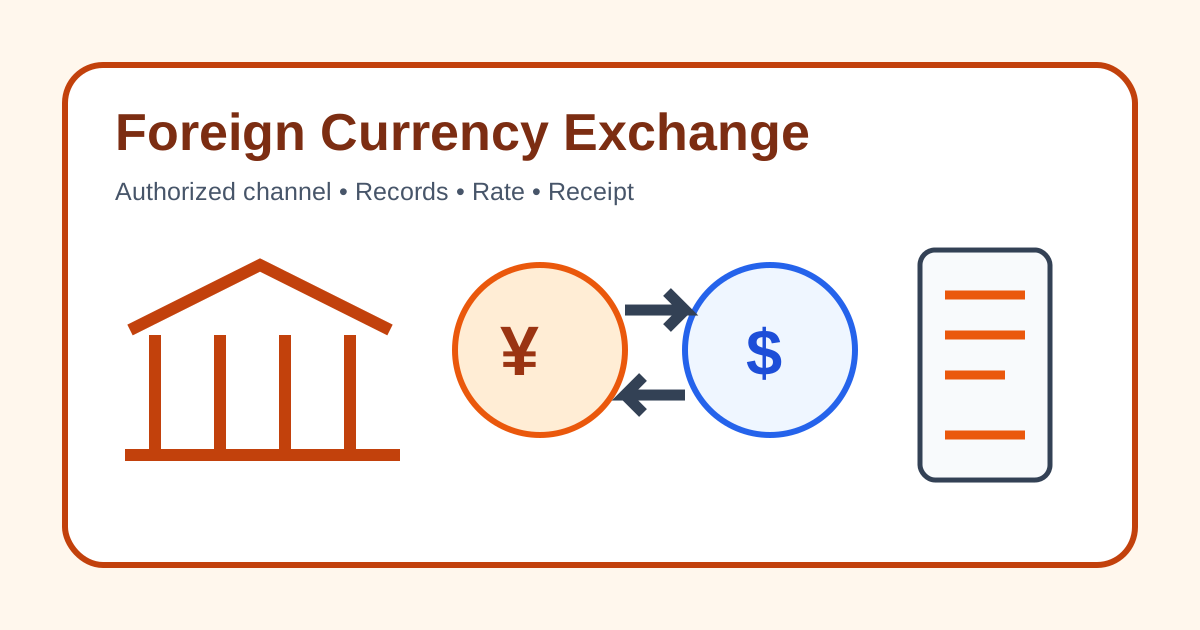
Use authorized channels, ask the bank for a case-specific document list, preserve the source and purpose trail, and check the final rate and fees before confirming.
- Use an authorized bank or other lawful channel and avoid private exchange offers.
- Document requirements depend on identity, currency, amount, source, purpose, and whether money crosses a border.
- Keep payslips, tax records, contracts, receipts, bank slips, and transaction references together.
- Confirm the quoted rate, fees, limits, beneficiary details, and processing time before approval.
Currency exchange is easiest when the transaction has a clear paper trail. A bank may need to understand who you are, where the funds came from, and what the conversion or transfer is for. Prepare the story and documents before visiting.
Separate conversion from transfer
First define the task: exchanging foreign cash for renminbi, converting money already in an account, buying foreign currency, or sending funds across a border. These are not interchangeable. Supported currencies, service branches, daily availability, identity checks, and transaction documents can differ.
Use the bank’s official app, hotline, or branch locator to identify a suitable branch and ask whether an appointment is needed. Never send documents or funds to a personal account merely because someone claims to represent a bank.
Build a source-and-purpose file
Carry your valid passport and any other document the bank specifically requests. Depending on the case, useful records may include an employment contract, payslips, tax records, bank statements, sale or reimbursement evidence, travel receipts, or beneficiary information. Requirements are case-specific, so request the bank’s current checklist.
Keep names and passport details consistent. If your passport recently changed, use the bank identity update guide first. Salary earners planning an overseas transfer should also read the sending savings abroad guide.
Check the transaction before confirming
Ask for the applicable exchange rate, bank spread or fee, cash-handling fee, transfer fee, correspondent charges, processing time, and cancellation policy. Confirm the currency, amount, account, beneficiary name, and purpose description on screen or paper. A favorable headline rate may not equal the final received amount.
For cash, count it at the counter and keep the official receipt. For account conversion or remittance, save the transaction reference and proof showing the original amount, converted amount, rate, fees, and destination.
Avoid informal shortcuts
Do not use social-media strangers, private cash swaps, unverified QR codes, or “account lending.” These can expose you to scams, counterfeit notes, unexplained deposits, and account restrictions. If a transaction is held for review, cooperate through the bank’s verified channel and ask what evidence is missing.
Exchange checklist
- Transaction type, currency, amount, and purpose defined.
- Authorized bank and capable branch confirmed.
- Appointment and cash availability checked.
- Identity, source, and purpose documents organized.
- Rate, all fees, limits, and timing reviewed.
- Names and account details checked character by character.
- Receipt and transaction reference archived.
The State Administration of Foreign Exchange publishes official foreign-exchange information. Rules and bank controls may change; confirm your particular transaction with the bank, SAFE channels, tax adviser, or another qualified professional. This is organizational information, not financial, tax, or legal advice.
Frequently asked questions
Common questions
Can I exchange cash at any bank branch?
Services, supported currencies, cash availability, appointment rules, and document checks vary by bank and branch. Call an official channel before visiting.
What documents will I need?
The bank may request identity and records supporting the funds and transaction purpose. Ask for a written, case-specific checklist; do not assume another person's list applies.
Is a private person offering a better rate safe?
Informal exchange creates fraud, counterfeit, account-freeze, and compliance risks. Use an authorized institution and retain formal transaction evidence.
Is exchanging cash the same as sending money abroad?
No. Conversion and cross-border remittance can involve different checks, documents, fees, timelines, and beneficiary requirements. Confirm both stages with the bank.