Working in China
When Your Employer's Legal Entity Changes in China: A Guide for Foreign Employees
Track contracts, payroll, work authorization, tax, insurance, and records when an employer changes its China legal entity.
Rules and procedures can change. Check the linked official sources before acting on time-sensitive information.
Quick answer
What you need to know
A document-first checklist for foreign employees whose payroll or employment may move to another China company during a restructuring.
- Ask HR whether the change is only a brand or office update, or whether the employing legal entity and payroll payer will actually change.
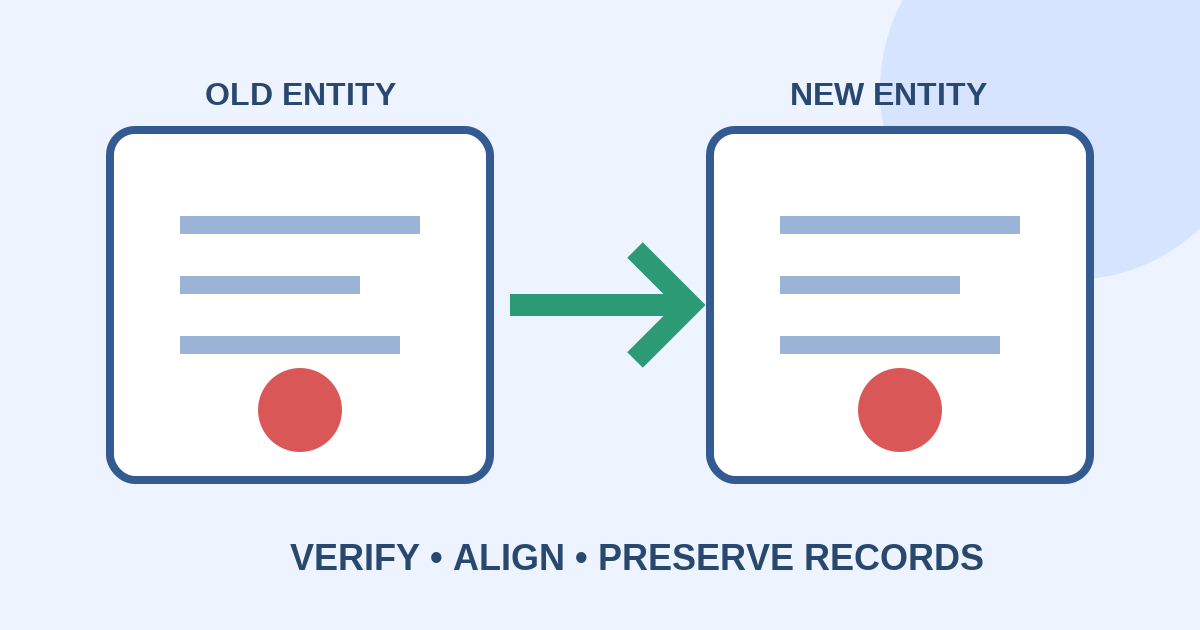
- Compare the Chinese legal name, unified social credit code, contract party, payroll account, and effective date across every document.
- Confirm work permit and residence permit implications with HR and the competent authorities before the change takes effect.
- Preserve signed documents, continuity statements, payroll records, tax records, and benefit confirmations.
A new logo or English company name may change little. A new Chinese legal entity can affect the contract party, payroll, work authorization, tax reporting, benefits, and the evidence you later need for renewals or departure. First determine which kind of change is happening.
Identify the entity precisely
Request the old and new Chinese registered names, unified social credit codes, registered addresses, and the proposed effective date. Ask whether the event is a name change, merger, business transfer, intra-group move, or payroll-only arrangement. Compare this information with your contract, payslip, tax app records, work permit, residence permit, and employer certificates.
Do not assume that shared ownership or branding makes two companies the same legal employer. The employment contract guide explains which contract details to preserve.
Ask for a coordinated transition plan
HR should explain what document you will sign, how service continuity and accrued benefits are treated, when payroll changes, and who handles work authorization. Ask specifically about unused leave, bonus or commission periods, probation, confidentiality obligations, social insurance where applicable, supplementary insurance, housing, and expense claims.
Foreign work authorization is locally administered. HR should confirm requirements with the competent foreign-expert/work-permit and exit-entry authorities; the State Council’s English services portal provides official public-service information. Do not rely only on an internal email for immigration timing.
Reconcile the first records after change
Check the first new payslip, bank transfer, individual income tax record, benefit enrollment, and HR profile. Record any mismatch immediately. Keep signed originals and a timeline linking the former and new entity. For payroll problems, follow the payroll discrepancy guide.
Employment, immigration, tax, and benefit outcomes depend on the facts and location. Confirm consequential decisions with HR, the competent authorities, and qualified legal or tax advisers. This guide is not legal or tax advice.
Legal entity change checklist
- Record both Chinese legal names and credit codes.
- Classify the transaction and effective date in writing.
- Compare contract party, sponsor, payer, and tax withholding entity.
- Confirm permit procedures before implementation.
- Ask how service, leave, bonus, and benefits continue.
- Save every signed agreement and company explanation.
- Reconcile the first payslip, tax record, and benefit record.
- Escalate unresolved differences before renewal deadlines.
Frequently asked questions
Common questions
Is a new company name always a new employer?
No. A company may change its registered name while keeping the same legal identity, or employment may transfer to a different entity. Ask for the Chinese registered name and unified social credit code before drawing conclusions.
Will I need a new employment contract?
That depends on the transaction and local requirements. Ask HR for the proposed documents and effective date, and obtain qualified legal advice if the effect on rights or continuity is unclear.
Could the change affect my work permit or residence permit?
Potentially, especially if the sponsoring employer changes. HR should confirm the required procedure and timeline with the local work-permit and exit-entry authorities before implementation.
What if salary comes from a different bank account first?
Request written clarification of the payer, pay period, tax withholding, and employing entity. Save the payslip and bank record and escalate discrepancies promptly.