Daily Life
E-Bike Battery Charging Safety in China: A Guide for Foreign Residents
Charge, store, inspect, and replace an electric-bike battery safely in China while following compound rules and preparing for smoke, heat, or damage.
Rules and procedures can change. Check the linked official sources before acting on time-sensitive information.
Quick answer
What you need to know
Use approved outdoor or centralized charging facilities, keep batteries out of corridors and escape routes, and stop using any pack that is hot, swollen, wet, damaged, or behaving abnormally.
- Follow the building's current charging and parking rules before bringing a battery indoors.
- Use the correct charger and avoid unattended, overnight, improvised, or overloaded charging.
- Treat swelling, impact damage, unusual heat, odor, smoke, or hissing as warning signs.
- Plan a safe exit and call emergency services rather than trying to handle a burning battery.
Electric bicycles make short trips convenient, but their batteries require disciplined charging and storage. The safest routine starts with the rules for your building and the instructions for the exact battery and charger—not habits copied from another rider.
Find the approved place to park and charge
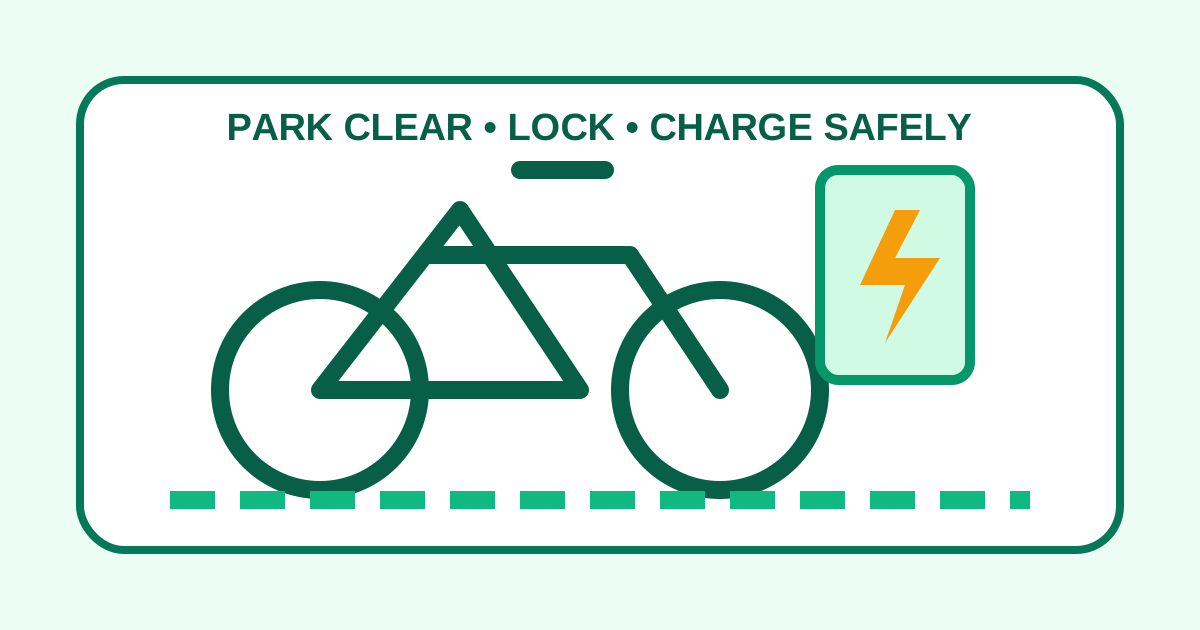
Ask property management where e-bikes and removable batteries may be parked and charged. Many compounds provide outdoor sheds, charging cabinets, or metered charging points. Confirm opening hours, payment method, socket limits, weather protection, CCTV coverage, and what to do when a bay is faulty.
Keep bikes and batteries out of stairwells, lift lobbies, corridors, fire doors, and exits. Do not run an extension lead from an apartment window or across a public path. China’s National Fire and Rescue Administration publishes public fire-safety information, while local fire authorities and property managers can explain current local requirements.
The bikes and e-bikes guide covers lawful riding, parking, and registration questions.
Inspect before every charge
Check the case, connector, cable, and charger. Stop and isolate the equipment from use if you notice:
- swelling, cracking, leaking, corrosion, or a damaged seal;
- a recent crash, drop, flooding, or crushing event;
- unusual heat, odor, noise, smoke, or repeated charging errors;
- loose pins, scorched plugs, taped cables, or an overheating socket; or
- a charger or battery whose model and electrical ratings do not match.
Do not open, rebuild, puncture, or combine battery cells yourself. Ask the manufacturer, seller, or a qualified service center how the pack should be transported and assessed. A damaged lithium battery should not be placed casually in household rubbish.
Build a repeatable charging routine
Use the approved charger on a stable, dry, ventilated surface away from combustible clutter and direct sun. Connect and disconnect in the order stated in the manual. Avoid adapters, daisy-chained power strips, and sockets that feel loose or hot.
Remain able to respond while charging. Avoid charging while asleep or away from home, and stop when the approved cycle is complete. Keep children and pets away. Never cover the charger or battery to reduce noise or light.
Photograph the model and serial numbers, keep the purchase record, and save the seller’s official contact. If a public charging point damages the pack or takes payment without working, preserve the bay number, time, screen, and payment record. The returns and refunds guide explains a useful evidence trail.
Respond to warning signs
If the pack becomes unusually hot, smells sharp, hisses, vents, or smokes, alert people nearby and move away. Do not carry an actively failing battery through a hallway or elevator. Call China’s fire emergency number, 119, give the Chinese address and exact location, and follow professional instructions.
Make sure everyone at home knows two exit routes and the compound meeting point. Review the home fire-safety guide and keep the building address in Chinese near the door.
Replace and dispose responsibly
Battery performance declines with age and use, but a sudden range loss or charging change deserves assessment. Buy a compatible, traceable replacement from a reputable channel and keep its invoice, warranty, and specifications. Avoid modified high-capacity packs or repairs that bypass protection systems.
Ask the brand, retailer, repair shop, property manager, or local recycling service where end-of-life batteries are accepted. Do not dismantle the pack, mail it without carrier approval, or leave it beside ordinary waste.
Practical checklist
- Confirm approved parking and charging locations.
- Match the battery and charger model and ratings.
- Inspect the case, connector, cable, and socket.
- Charge only while someone can respond.
- Keep corridors, stairs, and exits clear.
- Save serial numbers, receipt, warranty, and service contact.
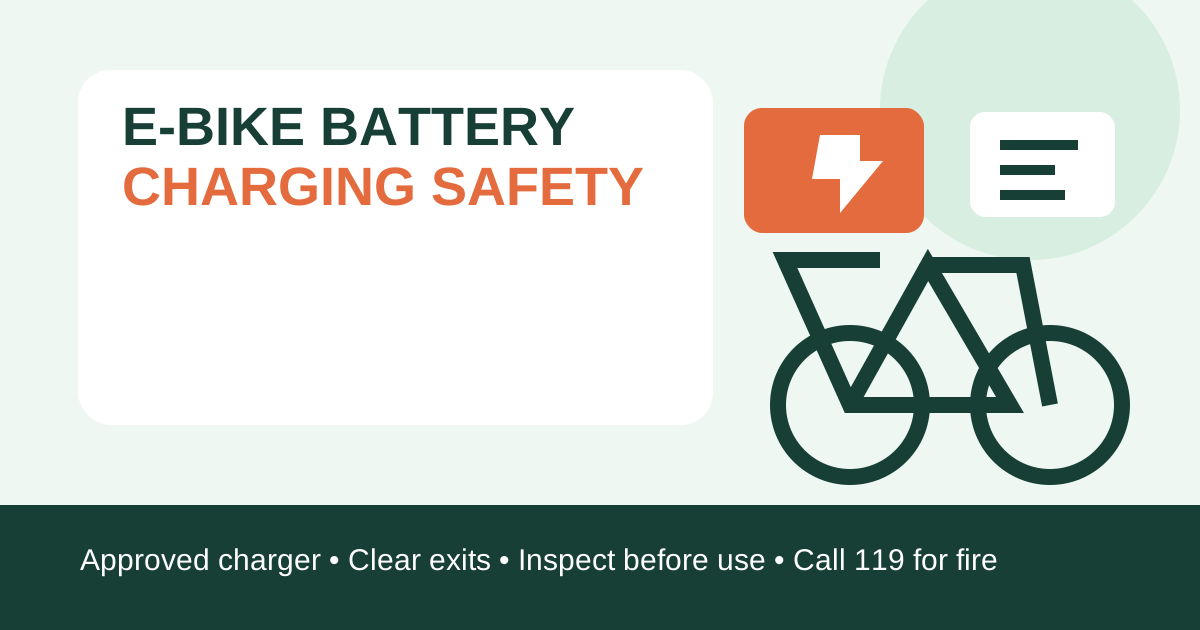
- Know the Chinese address and call 119 for fire or smoke.
- Arrange approved recycling or professional assessment.
Rules, equipment designs, and building facilities vary. Confirm the current arrangement with property management, the manufacturer, and the responsible local fire authority.
Frequently asked questions
Common questions
Can I charge an e-bike battery inside my apartment in China?
Do not assume so. National and local fire-safety rules and compound policies restrict parking or charging in shared halls and may require centralized outdoor charging. Ask property management where your specific battery may be charged.
Can I use a cheaper charger with the same plug?
A matching plug does not prove electrical compatibility. Use the manufacturer-approved charger for the exact battery model and have damaged equipment assessed by an authorized or qualified service provider.
What should I do if a battery starts smoking?
Warn others, leave by a safe route, avoid elevators, call 119, and follow firefighters' instructions. Do not carry a smoking battery through an occupied building or re-enter for belongings.