Daily Life
Using Credit Cards in China: A Practical Guide for Foreign Residents
How foreign residents can apply for, use, repay, secure, and close credit cards in China while coordinating mobile payments, statements, travel, and account records.
Rules and procedures can change. Check the linked official sources before acting on time-sensitive information.
Quick answer
What you need to know
Treat a Chinese credit card as a documented banking product: compare eligibility and fees, test repayment before spending, secure alerts, and keep identity and contact records current.
- Eligibility, credit limits, accepted documents, and card networks vary by bank and applicant.
- Confirm the statement date, due date, repayment channels, currency rules, and all fees in writing.
- Set transaction alerts and test both the physical card and linked wallet with a small purchase.
- Update passport and mobile details promptly and close the account formally before leaving China.
Mobile payments dominate many everyday transactions in China, but a locally issued credit card can still help with travel, deposits, online services, and expense management. The useful question is not only whether a bank will approve you, but whether the account can be repaid and maintained reliably.
Compare products at the issuing bank
Ask banks where you already hold an account about current foreign-resident eligibility. Bring the exact documents the branch requests, which may include a passport, residence document, Chinese mobile number, proof of address, employment or income evidence, tax information, and an existing debit account.
Compare annual fees and waiver conditions, card network, domestic and overseas acceptance, foreign-currency conversion, cash-advance costs, installment terms, supplementary cards, rewards, and replacement procedures. Never treat a salesperson’s estimate as approval or a guaranteed limit.
Understand the billing cycle before spending
Record the statement date, payment due date, minimum-payment rule, interest method, late fees, and the bank’s definition of a successful repayment. Ask whether repayment can come from your debit account, bank app, branch, or supported payment service.
Make a small purchase and a small repayment well before the first due date. Confirm that it posts to the correct card account. Add the due date to your daily budgeting system and retain monthly statements, especially for reimbursable work costs.
Link wallets carefully
If the bank and wallet support linking, use only the official app and verify the cardholder name and identity record. Wallet acceptance, merchant categories, limits, fees, and authentication can differ from physical-card use. Keep a working debit card and another payment method rather than relying on one route; see the mobile payments guide.
Turn on transaction and statement alerts. Never share a one-time code, PIN, CVV, or screen-control access with someone claiming to reverse a payment.
Keep the account maintainable
Tell the bank when your passport, residence document, mobile number, address, employer, or tax residency changes. A mismatched record can restrict app login or transactions. If a card is lost, lock it through the official channel and contact the issuer using a number from its app, website, statement, or the card’s reverse side.
Before relocating, identify subscriptions, hotel deposits, preauthorizations, refunds in flight, installments, and supplementary cards. Cutting a card does not close its account.
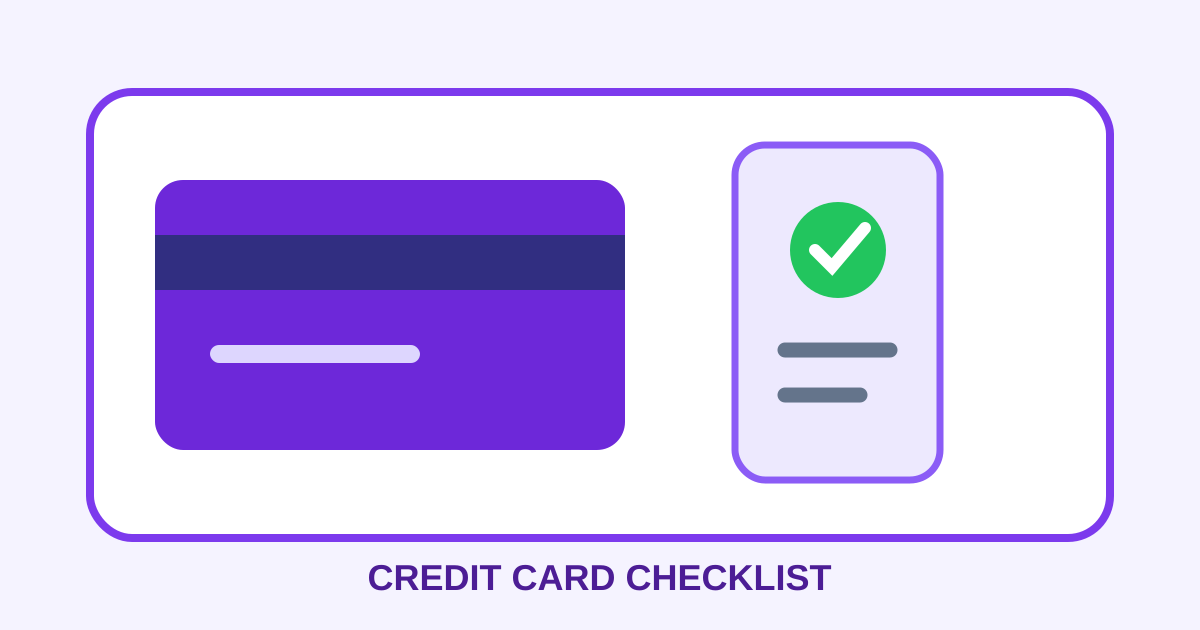
Credit card checklist
- Compare eligibility, documents, network, limit, annual fee, and currency costs.
- Save the signed terms and official fee schedule.
- Record statement and due dates plus approved repayment methods.
- Test a purchase, repayment, alert, and wallet link with small amounts.
- Review statements for unfamiliar or duplicated charges.
- Keep passport, phone, address, and tax records current.
- Stop recurring charges and clear pending transactions before closure.
- Obtain written closure and retain the final zero-balance statement.
Official reference points
Bank products, credit decisions, fees, and dispute procedures vary. Confirm current terms with the issuing bank and seek qualified financial or tax advice for material decisions.
Frequently asked questions
Common questions
Can a foreign resident apply for a credit card in China?
Some banks accept applications from eligible foreign residents, but document, employment, income, residence, and branch requirements vary. Approval is never guaranteed.
Can I link a Chinese credit card to a mobile wallet?
Support depends on the bank, card network, wallet, merchant, and transaction type. Confirm current rules in the official bank and wallet channels and test a small transaction.
How should I repay a Chinese credit card?
Use a repayment channel confirmed by the issuing bank, verify the credited amount before the due date, and keep the receipt. Do not assume an international transfer will arrive or post in time.
What should I do before leaving China?
Stop recurring charges, redeem or understand rewards, settle pending and installment balances, request formal closure, and retain written confirmation and final statements.