Daily Life
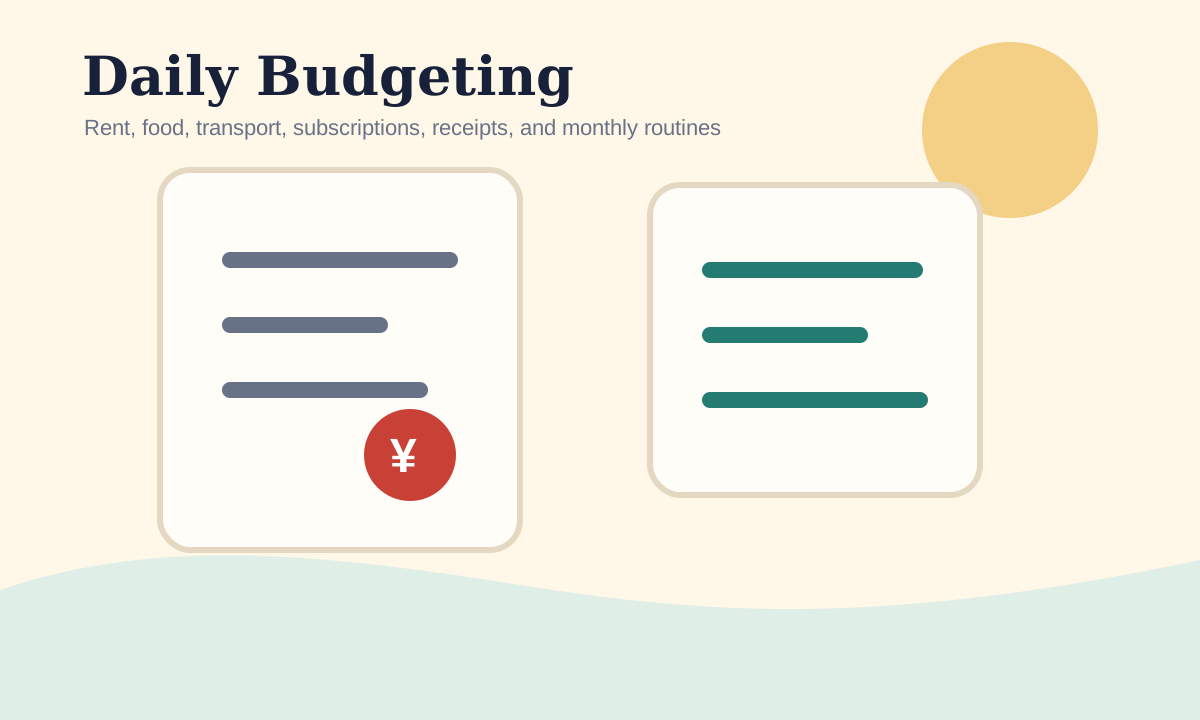
Daily Budgeting in China: Rent, Food, Transport, Subscriptions, and Receipts
A practical English guide for foreign residents managing daily budgets in China, including rent, food, transport, subscriptions, receipts, reimbursement, emergency cash, and monthly reviews.
Rules and procedures can change. Check the linked official sources before acting on time-sensitive information.
Quick answer
What you need to know
Foreign residents can manage daily costs in China by tracking rent, utilities, food, transport, subscriptions, healthcare, travel, and reimbursement records. A monthly review helps catch renewals, deposit risks, and avoidable spending.
- Separate fixed costs, variable daily costs, annual costs, and reimbursable expenses.
- Track rent, utilities, mobile, internet, food, transport, subscriptions, and healthcare basics.
- Keep receipts and invoices for employer reimbursement or tax records when needed.
- Review subscriptions and memberships monthly.
- Keep a small emergency buffer and payment backup.
Daily spending in China can feel easy because mobile payments are fast. That convenience also makes small costs harder to notice.
A simple monthly budget helps foreign residents manage rent, food, transport, subscriptions, receipts, and moving costs.
1. Separate cost types
Group expenses into fixed monthly costs, variable daily costs, annual costs, and reimbursable expenses. This makes your budget more useful than one long list.
For payment records, read Mobile Payments in China.
2. Track housing separately
Rent, deposit, utilities, property fees, internet, repairs, and moving costs deserve their own section. These are usually the biggest and most dispute-prone expenses.
Utilities in China for Foreign Renters explains common housing bills.
3. Review subscriptions monthly
Delivery passes, gyms, coworking, apps, cloud services, classes, and phone plans can renew quietly. Use Managing Subscriptions in China as a checklist.
4. Keep receipts for expensive items
Receipts help with warranties, reimbursement, repairs, deposits, and later resale. Save screenshots for electronics, furniture, services, and work-related purchases.
Practical checklist
- I track fixed, variable, annual, and reimbursable costs.
- I separate housing and utility expenses.
- I review subscriptions monthly.
- I keep receipts for expensive or reimbursable items.
- I maintain a small emergency buffer and payment backup.
Official sources
- State Council: A Guide to Working and Living in China as Business Expatriates
- Ministry of Commerce: Guide for Business Expatriates
Frequently asked questions
Common questions
What should foreigners include in a China budget?
Include rent, deposit, utilities, phone, internet, groceries, restaurants, transport, healthcare, subscriptions, travel, household goods, and emergency buffer.
How can I track spending in China?
Use payment records, bank statements, app screenshots, receipts, and a simple monthly spreadsheet or notes list.
Should I keep receipts?
Yes, especially for reimbursement, invoices, warranty, rental deposits, repairs, electronics, and work-related expenses.
What costs are easy to forget?
Subscriptions, delivery fees, repairs, household setup, annual memberships, travel, visa-related support, and move-out costs are often forgotten.
Do I need cash in China?
Mobile payments are common, but keeping a small backup and another payment method is practical.