Daily Life
Watch and Jewelry Repair in China: A Guide for Foreign Residents
Arrange watch or jewelry repair in China with item photos, written estimates, stone and serial records, replacement-part approval, and insured collection.
Rules and procedures can change. Check the linked official sources before acting on time-sensitive information.
Quick answer
What you need to know
Document the item before handover, choose an appropriate service channel, agree on work and parts in writing, and inspect everything at collection.
- Photograph identifying marks, stones, damage, accessories, and serial numbers before handover.
- Use brand-authorized service when warranty, water resistance, proprietary parts, or authentication matters.
- Approve the estimate, replacement parts, removed-part return, timing, and custody terms in writing.
- For valuable items, check insurance and transport arrangements before shipping or overnight custody.
Repairing a watch, ring, necklace, or bracelet needs a stronger custody record than an ordinary household service. Small components are hard to identify later, and polishing, resizing, stone work, or movement repair can permanently change the item.
Choose the service channel
Check whether independent work affects warranty. Brand-authorized service is often clearer for proprietary parts, authentication, water-resistance testing, recalls, or a documented luxury-watch history. A reputable independent repairer may suit simple work.
Verify the business name, fixed location, recent reviews, specialty, and complaint contact. Do not hand a valuable item to an unverified pickup account. See the local services app guide for general checks.
Create a handover record
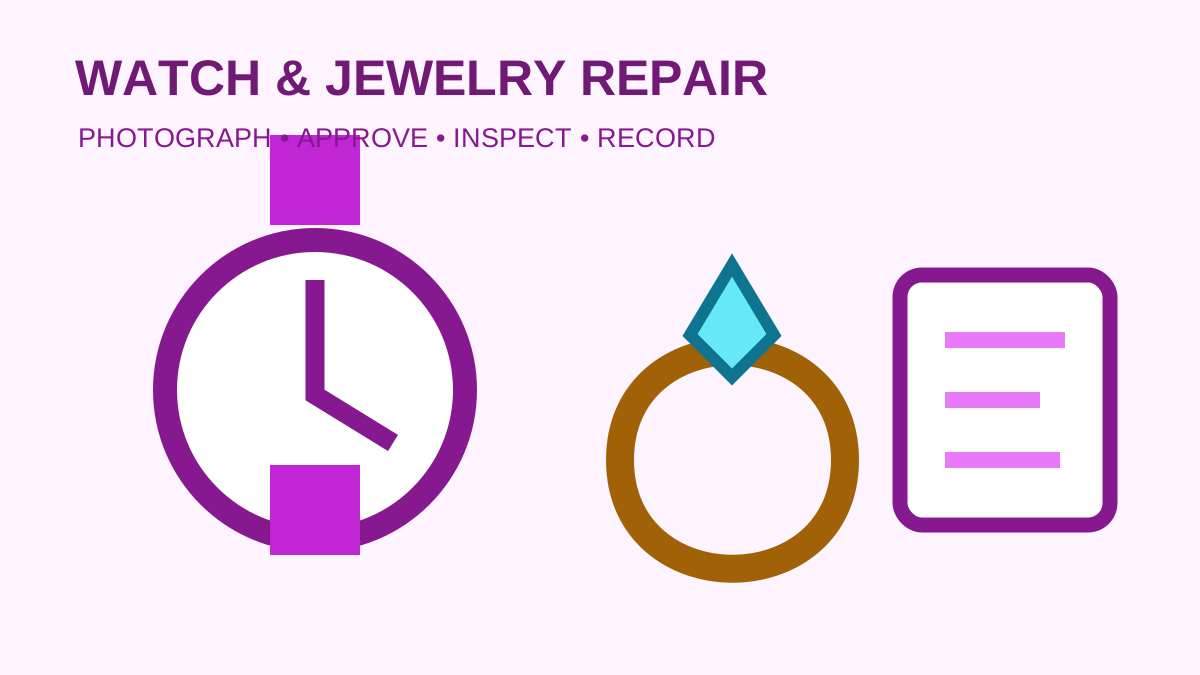
Photograph the item, damage, marks, serial or reference number, stones, clasp, crown, dial, case back, and accessories. For jewelry, count stones and note visible inclusions, looseness, engravings, weight where relevant, and certificates. Keep original certificates unless genuinely required, and obtain a receipt for every accessory.
Describe the requested outcome and whether polishing, refinishing, resizing, engraving removal, stone replacement, movement opening, or water-resistance work is allowed.
Approve scope and price
Request an estimate listing labor, parts, invoice treatment, deposit, completion window, and warranty. Set a threshold requiring further approval. Ask whether parts are original, compatible, refurbished, or customer-supplied and whether removed parts return to you.
If shipping is proposed, agree on declared value, packaging, tracking, insurance, customs, and loss risk. The international courier guide covers shipment records.
China’s State Administration for Market Regulation is an official consumer reference. Authentication, metal content, gemstone grading, and insurance values require qualified specialists.
Inspect at collection
Match the receipt, item, serial, stones, and accessories. Inspect finish and alignment under good light. Test agreed functions, clasp, crown, setting security, timekeeping, and any stated water-resistance result. Never personally water-test a repaired watch. Obtain the invoice, agreed removed parts, test record, care instructions, and warranty.
Repair checklist
- Warranty and service channel checked.
- Item, serial, stones, marks, and condition photographed.
- Every surrendered accessory listed.
- Allowed and prohibited work written down.
- Estimate, approval threshold, parts, and timeline agreed.
- Shipping and insurance confirmed where relevant.
- Item inspected and documents collected.
For high-value, inherited, insured, or disputed items, consider an independent appraisal and professional legal or insurance advice before irreversible work.
Frequently asked questions
Common questions
Should I use a brand service center or an independent repairer?
Brand service may suit warranty, proprietary parts, water-resistance testing, or service history. Verify an independent shop's capability and terms first.
Can a shop replace parts without asking me?
Set a written approval limit and require consent for added work. Ask whether removed parts will be returned before handover.
How should stones be documented?
Use close-up photos and list their number, position, visible characteristics, looseness, and certificates or inscriptions.
What should I check at collection?
Match the item and serial, inspect finish and stones, test agreed functions, review parts and test results, and obtain the invoice and warranty.