Daily Life
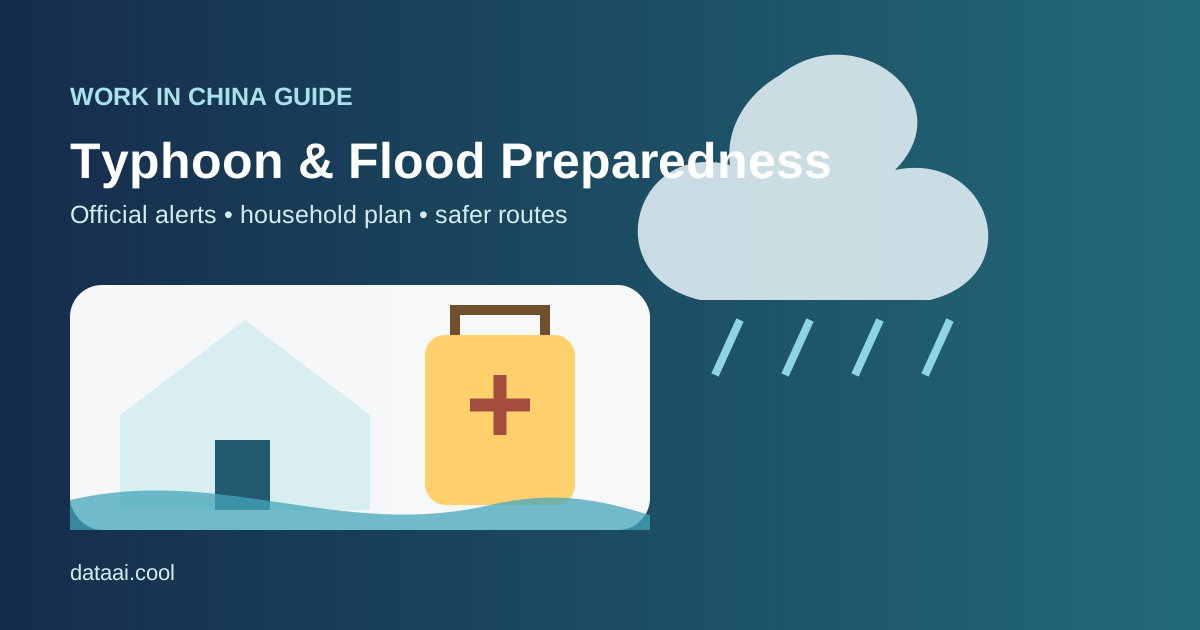
Typhoon and Flood Preparedness in China: A Guide for Foreign Residents
How foreign residents in China can prepare for typhoons and urban flooding, understand official alerts, protect documents and homes, commute safely, and recover after a storm.
Rules and procedures can change. Check the linked official sources before acting on time-sensitive information.
Quick answer
What you need to know
Learn local alert channels before storm season, make a household and workplace plan, avoid floodwater and unnecessary travel, and document damage safely after authorities give clearance.
- Follow local meteorological, emergency-management, transport, school, employer, and property notices rather than relying on forwarded messages.
- Prepare power, water, medicine, document, communication, and evacuation backups before an alert escalates.
- Never enter moving or electrically hazardous floodwater, and do not drive through a flooded road.
- Local authorities and emergency responders should guide evacuation, return, and recovery decisions.
Typhoons and intense rain can disrupt metros, roads, flights, schools, deliveries, utilities, and building access well beyond the coast. Foreign residents need official information, a household plan, and conservative travel decisions before conditions deteriorate.
Identify official alert channels now
Bookmark national and local meteorological services, the city emergency-management channel, transport operators, school notices, employer announcements, and property-management contacts. Alert colors and required actions can vary by hazard and locality, so read the local explanation rather than relying only on a color.
Enable phone emergency alerts where available. Ask a Chinese-reading colleague, neighbor, or building contact to help interpret urgent notices, but verify forwarded screenshots against the issuing authority.
Map risks around home and work
Ask property management about basement and garage flooding, drainage, elevator shutdowns, backup power, pump rooms, emergency exits, designated assembly areas, and the safest route to higher ground. Avoid storing passports, medicine, electronics, or valuables on a basement floor.
At work, ask who authorizes remote work or closure, how attendance is recorded, and what happens if public transport stops. Save the manager and HR contacts offline. The remote work guide can help establish a practical fallback.
Build a 72-hour household buffer
Prepare drinking water, shelf-stable food, essential medicine, first-aid supplies, flashlights, charged power banks, radio if useful, hygiene items, masks and gloves for cleanup, pet or child supplies, and some accessible payment alternatives. Keep an evacuation bag near the exit.
Store waterproof copies of passports, permits, insurance, prescriptions, lease, emergency contacts, and essential account information. Back up encrypted copies separately. Review the power and water outage guide for utility planning.
Secure the apartment early
Close and latch windows, clear balcony drains where safe, move loose balcony items indoors, charge devices, fill safe water containers, and unplug nonessential equipment before conditions become severe. Do not tape or lean against glass as a substitute for proper building protection.
Move vehicles and belongings from locations identified as flood-prone only while routes remain safe and property management permits it. Never enter a basement during active flooding or an electrical warning.
Make conservative travel decisions
Check official transport status immediately before departure. Cancel or delay nonessential travel when authorities advise it. Do not walk, cycle, or drive around barriers or through floodwater; hidden currents, open covers, debris, contamination, and energized equipment can be fatal.
If stranded, move to a safe location directed by responders, share your location and battery status with an emergency contact, and avoid elevators or underground spaces during flooding or power instability. Call 110 for police, 119 for fire and rescue, or 120 for medical emergency when appropriate.
Recover safely and document damage
Return only when authorities and building management say it is safe. Treat standing water near electrical systems as hazardous. Photograph damage from a safe position before moving items, notify the landlord or property manager, and obtain a work-order number.
Keep official alerts, closure notices, a damaged-item inventory, serial numbers, repair estimates, invoices, temporary accommodation costs, and insurer correspondence. Do not authorize major repairs before the owner or insurer confirms the process unless immediate action is necessary for safety.
Typhoon and flood checklist
- Official weather, emergency, transport, school, and work alerts saved.
- Household contacts know where to meet and how to reconnect.
- Safer routes and higher locations identified.
- Three-day food, water, medicine, light, and power buffer ready.
- Passport, permit, insurance, and prescription copies waterproofed.
- Balcony, windows, drains, and loose objects checked early.
- Basement storage and parking risks reviewed.
- Nonessential travel canceled when advised.
- Floodwater, closures, elevators, and electrical hazards avoided.
- Damage photographed and reported only when safe.
Official reference points
- China Meteorological Administration
- Ministry of Emergency Management
- National Fire and Rescue Administration
Storm behavior and local response rules change quickly. Follow the responsible local authorities and emergency responders; seek professional advice before re-entering a damaged property or handling electrical, structural, contaminated-water, insurance, or medical issues.
Frequently asked questions
Common questions
Where should foreigners check typhoon warnings in China?
Use the China Meteorological Administration and official local weather, emergency-management, transport, school, employer, and community channels. Ask a trusted contact to help interpret Chinese-language alerts.
Should I go to work during a red weather warning?
Follow current local government instructions and your employer's written emergency policy. Ask your manager or HR through a traceable channel rather than assuming normal attendance rules apply.
Is it safe to walk or drive through shallow floodwater?
Depth, current, hidden openings, contamination, and electrical hazards are difficult to judge. Avoid flooded routes and follow police, transport, and emergency-service closures.
What records should I keep after storm damage?
When safe, preserve dated photos, official notices, property work orders, landlord messages, an item inventory, repair estimates, invoices, and insurer claim references.