Daily Life
Home Kitchen Food Safety in China: A Guide for Foreign Residents
A practical home food-safety routine for shopping, delivery, water, refrigeration, leftovers, power outages, and illness while living in China.
Rules and procedures can change. Check the linked official sources before acting on time-sensitive information.
Quick answer
What you need to know
Reduce avoidable food risk by checking deliveries, separating raw and ready-to-eat food, controlling time and temperature, and keeping a clear outage and illness plan.
- Reject leaking, damaged, unusually warm, or questionable chilled deliveries.
- Separate raw food from ready-to-eat food from shopping bag to refrigerator.
- Use a refrigerator thermometer and follow authoritative cooking and storage guidance.
- Seek medical advice for severe, persistent, or high-risk symptoms.
A reliable kitchen routine matters more than memorizing a list of supposedly safe or unsafe foods. Pay attention to source, package condition, cross-contamination, time, temperature, water, and the needs of anyone at higher medical risk.
Check food at purchase and delivery
Use established retailers and inspect packaging, seals, dates, storage instructions, and signs of damage. For delivery, be available at arrival and check chilled and frozen products promptly. Photograph and report leaking, swollen, thawed, unusually warm, or incorrect items instead of putting them into storage.
Keep raw meat, seafood, and eggs separated from produce and ready-to-eat food in the cart, delivery bags, and refrigerator. The grocery shopping guide explains labels, substitutes, and delivery records.
Control temperature and cross-contamination
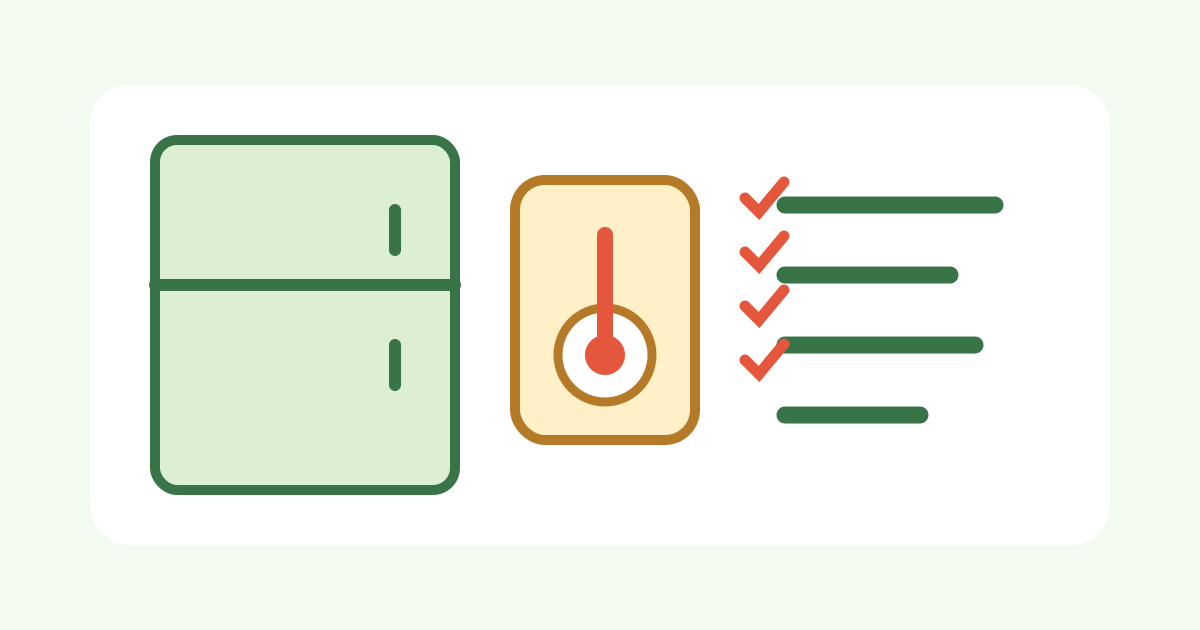
Use a refrigerator thermometer because a control dial does not prove the actual temperature. Avoid overpacking, cover food, place raw items in leak-proof containers below ready-to-eat items, and follow the appliance manual and authoritative safety guidance.
Use separate boards or a disciplined wash-and-sanitize sequence. Clean hands, utensils, worktops, reusable bags, and high-touch handles. Do not wash raw poultry in a way that spreads droplets. Cook foods to a safe internal temperature using a food thermometer where appropriate rather than relying only on color.
Manage leftovers and outages
Cool and refrigerate leftovers promptly in shallow covered containers, label dates, and reheat appropriately. If you cannot remember when an item was prepared or how long it was warm, do not taste it to test safety.
During a power outage, keep refrigerator and freezer doors closed and record the start time. Follow current public-health guidance based on time and measured temperature. The apartment outage guide helps with building communication and backups.
Check water and household risks
Confirm current local water information and consider building plumbing, storage tanks, filters, and maintenance. Replace filter cartridges on schedule; a neglected filter can become part of the problem. See the drinking-water guide.
Keep cleaning products and pest-control chemicals away from food and clearly labeled. Never move chemicals into drink bottles or food containers.
Respond to illness appropriately
For suspected foodborne illness, note foods eaten, purchase details, timing, symptoms, and others affected. Save packaging and transaction records where safe. Seek prompt medical advice for severe dehydration, blood, high fever, neurological symptoms, persistent illness, pregnancy, very young children, older adults, or immunocompromised people.
Home kitchen checklist
- Packages, dates, and chilled deliveries checked at receipt.
- Raw and ready-to-eat foods separated.
- Refrigerator temperature measured.
- Hands, boards, utensils, and surfaces cleaned safely.
- Cooking and leftover times controlled.
- Water and filter maintenance plan current.
- Outage start time and food decisions documented.
- Medical and consumer-reporting contacts saved.
Official reference points
- National Health Commission
- State Administration for Market Regulation
- National 12315 consumer service platform
This guide is general prevention information, not medical advice. Follow current local notices and obtain individual advice from a qualified clinician or food-safety professional when needed.
Frequently asked questions
Common questions
Can I rely on a grocery delivery time estimate for food safety?
No. Check the condition and temperature-sensitive items at receipt. Delivery time alone does not show whether the cold chain was maintained.
Is tap water safe for cooking everywhere in China?
Water conditions and building plumbing vary. Check current local utility guidance and your building situation; use an appropriate treatment or bottled-water plan where advised.
What should I do with refrigerated food after a power outage?
Keep doors closed, note outage duration, and use authoritative temperature guidance. When safety is uncertain, discard the item rather than judging only by smell or appearance.